We offer a wide collection of free, high-quality printable coloring pages for kids and adults. From cute animals to intricate mandalas, our designs bring creativity and relaxation to everyone. Download, print, and start coloring today!

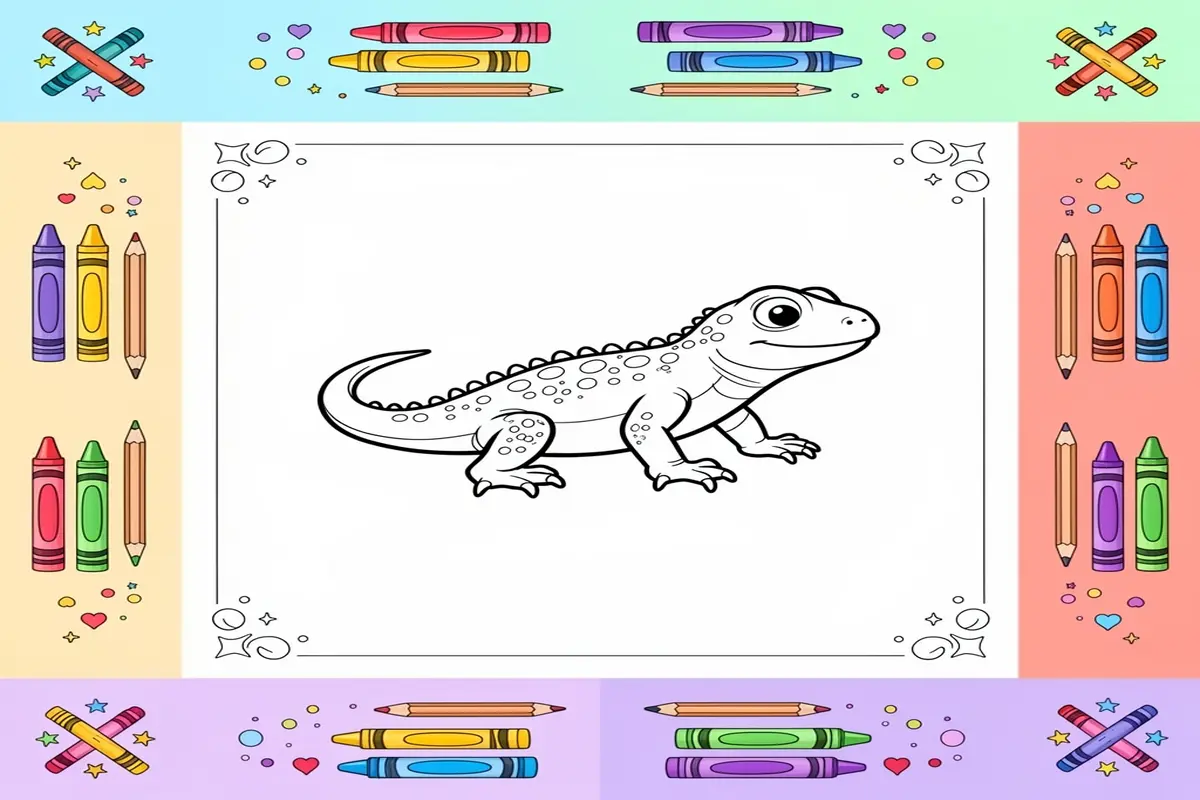
In a world saturated with digital noise, the simple act of coloring offers a sanctuary of focus and creativity. It’s a tactile journey back to the fundamentals of art, where imagination meets the page. For young explorers, few subjects spark curiosity quite like the ancient and fascinating world of reptiles. From the intricate scales of a lizard to the majestic shell of a turtle, reptile coloring pages for kids provide a unique canvas that blends education with artistic expression. These activities do more than just fill time; they open a gateway to understanding biodiversity, patterns in nature, and the quiet thrill of bringing a creature to life with color. As a perfect complement to other animal themes, such as the aquatic wonders found in our free dolphin coloring pages, this collection invites children on a creative safari. Engaging with reptile coloring pages for kids fosters patience, fine motor skills, and a deep appreciation for some of our planet’s most enduring inhabitants.
The Scaly Allure: Psychology & Timeless Appeal
Why do children find snakes, chameleons, and crocodiles so compelling to color? The answer lies at the intersection of fascination and manageable challenge. Reptiles, as a theme, are inherently captivating due to their prehistoric origins and diverse adaptations, making them perfect subjects for artistic exploration.
The Mindful Art of Scale and Pattern
Coloring is a well-documented tool for mindfulness, and reptile subjects amplify this benefit. The repetitive, detailed nature of scales, scutes, and skin patterns requires a gentle, sustained focus that naturally quietens a busy mind. This meditative process helps children develop concentration and patience. As they navigate the contours of a gecko’s foot or the segmented plates on a dinosaur’s back, they engage in a calming ritual that builds cognitive resilience, turning reptile coloring pages for kids into a therapeutic exercise in attention to detail.
A Glimpse into Ancient Worlds
Reptiles are living links to the age of dinosaurs, offering a tangible connection to Earth’s deep history. Coloring a Komodo dragon or a sea turtle isn’t just an art project; it’s a mini-lesson in biology, evolution, and ecology. This thematic depth allows for storytelling and learning, as parents and educators can discuss habitats, diets, and conservation. The historical and cultural significance of reptiles—from mythological dragons to revered temple guardians—adds a rich layer of context, making the activity a springboard for broader discovery and conversation.
Designed for Every Young Artist
The beauty of reptile coloring pages for kids lies in their incredible range. Options abound for every skill level and interest. Beginners can enjoy bold, simple outlines of friendly cartoon chameleons, while more advanced young artists can tackle realistic renderings of textured iguana skin or the complex camouflage of a python. This inclusivity ensures that every child, regardless of dexterity or age, can experience the satisfaction of completion and personal expression, building confidence with every page they bring to vibrant life.
Part 2: Essential Materials & Preparation for Stunning reptile coloring pages for kids
To transform your child’s reptile coloring pages for kids into vibrant masterpieces, the right materials and setup are crucial. This professional guide details the optimal tools and environment, ensuring a satisfying and high-quality coloring experience that highlights every scale and pattern.
The Foundation: Selecting Premium Paper for reptile coloring pages for kids
The paper you choose is the single most important factor in your coloring results. For detailed reptile outlines, standard printer paper (20-24 lb) is prone to bleeding and warping. Instead, opt for:
Heavyweight Paper (32 lb / 120+ GSM): This is the professional standard. It withstands multiple layers of pigment, prevents bleed-through from markers, and allows for smooth blending with pencils.
Bright White & Smooth Finish: A bright white base makes colors appear more vivid, while a smooth (not glossy) finish allows for precise line control and fine detail work, perfect for capturing the intricate skin textures of lizards and snakes.
Cardstock or Dedicated Coloring Books: For a premium feel, print your pages on cardstock (65-110 lb). Alternatively, seek out coloring books printed on high-quality, perforated paper. For a fantastic variety of detailed animal pages, explore our collection of realistic animal coloring pages, which share similar paper requirements.
Best Coloring Tools: A Detailed Medium Comparison
Choosing between mediums depends on the desired outcome for your reptile artwork.
Colored Pencils (For Detail & Realism): The preferred tool for intricate work. Wax-based pencils (e.g., Crayola, Prismacolor Premier) offer softness and vibrant blending, ideal for creating gradient scales. Oil-based pencils (e.g., Faber-Castell Polychromos) provide a harder lead for sharper details and fine lines. A set of 24-48 colors offers ample range for reptilian color schemes.
Markers (For Bold, Graphic Impact): Markers deliver solid, vibrant fields of color. Alcohol-based markers (e.g., Copic, Ohuhu) blend seamlessly and dry quickly without bleeding on marker paper, but can bleed through standard paper. Water-based markers (e.g., Crayola Super Tips) are more affordable and child-friendly but can cause paper to pill with overworking. Always place a scrap sheet underneath your page.
Finishing Touches: Gel Pens, Highlights, and Erasers
Elevate the artwork with specialized tools for detail and correction.
White Gel Pens & Acrylic Markers: Essential for adding highlights to scales, creating a wet look in a chameleon’s eye, or drawing tiny teeth. They are perfect for adding pops of light on top of darker pencil or marker layers.
Quality Erasers: A vinyl eraser cleanly removes pencil stray marks, while a kneaded eraser can be shaped to a point for lifting color in tiny areas to create texture or correct minute mistakes without smudging.
Perfect Workspace: Optimizing Lighting and Ergonomics
A proper setup prevents fatigue and ensures color accuracy.
Lighting: Natural daylight is ideal. If unavailable, use a daylight LED lamp (5000-6500 Kelvin color temperature) placed opposite the dominant hand to eliminate shadows on the page. This prevents eye strain and allows for true color perception, which is key when working on the subtle greens and browns common in reptile coloring pages for kids.
Ergonomics & Surface: Ensure the coloring surface is flat and firm. A portable desk easel or a simple clipboard can improve posture by angling the work. For young artists, ensure their feet are flat on the floor or a stool and that they take frequent breaks to stretch. Organize tools within easy reach in cups or trays to maintain a focused, clutter-free zone.
Part 3: Elevating Your Art: Advanced Techniques for Reptile Coloring Pages for Kids
Ready to transform those simple outlines into stunning, lifelike artwork? Mastering a few key techniques can turn coloring time into a masterclass in art fundamentals. When working on reptile coloring pages for kids, the goal is to move beyond flat fills and into the realm of texture, depth, and realism. These methods are perfect for parents and teachers looking to guide young artists toward more professional, satisfying results. For a broader exploration of animal art, our collection of realistic animal coloring pages offers excellent practice subjects.
Harmonious Palettes: Color Theory for Scaly Friends
Understanding basic color theory is the first step to creating visually striking reptile art. For a vibrant, natural look, consider these approaches:
Complementary Colors: Use opposites on the color wheel to make details pop. Imagine a green iguana with subtle red or rust-colored scales in the shadows. This contrast creates instant vibrancy.
Analogous Colors: For a more harmonious and realistic effect, choose colors next to each other on the wheel. A snake might feature a blend of yellows, greens, and blues, mimicking the subtle gradients found in nature.
Naturalistic Bases: Start with a base color true to the animal (like olive green for a turtle), then layer slightly lighter and darker shades of that same hue to build form before introducing dramatic color accents.
From Flat to 3D: Mastering Shading and Depth
Shading is what gives a two-dimensional drawing volume. Teach young artists to imagine a light source (e.g., the sun in the top corner of the page).
1. Identify the Light: Decide where the light is coming from.
2. Apply Base Color: Fill the entire reptile shape with your main, medium tone.
3. Add Shadows: Using a darker shade of your base color, gently apply more pressure along the side opposite the light source, under the chin, and in deep crevices between scales.
4. Highlight: With a very light color or by leaving tiny white spaces, add touches on the areas directly facing the light—the top of the head, the curve of the back, and the tops of legs. This simple three-step process instantly adds a rounded, three-dimensional feel to your reptile coloring pages for kids.
Adding Realism: Techniques for Texture and Pattern
Reptiles are texture kings! Capturing their unique skin is key.
Scales: Avoid coloring each scale individually with one flat color. Instead, use small, overlapping circular or “U” shaped strokes with varying pressure. Leave tiny highlights on the top curve of some scales and darken the bottom edges of others.
Smooth Skin (like on frogs): Use smooth, even layers of color, then add subtle blotches or mottling with a slightly different shade using light, stippling dots.
Rough Skin (like on a horned lizard): Employ a tight, scribbly technique with a sharp pencil to create a bumpy, gritty feel. For patterns like a leopard gecko’s spots, outline them lightly first, then color inside, ensuring the spots follow the body’s curved form. Exploring lizard coloring pages for kids is a fantastic way to practice these specific texture skills.
The Art of Correction: Gracefully Fixing Coloring Mistakes
Mistakes are part of the creative process. Here’s how to fix them elegantly:
Over-Coloring: If a child colors outside the lines, don’t stress. Often, this can be incorporated into a background element, like grass or rocks. Alternatively, use a fine-tipped white gel pen to carefully redefine the border.
Color Bleed: To prevent this, use high-quality paper and encourage lighter pressure. If bleed happens, use the unintended color as a starting point for a shadow or a new pattern element.
“Wrong” Color Choices: There are no wrong colors in art! If a child feels a color isn’t working, layer a different color lightly over the top to create a new, rich hue. A yellow marker over light blue can create a perfect green for a chameleon.
By integrating these techniques, coloring becomes more than just a pastime—it’s an engaging lesson in observation, patience, and artistic expression, leading to truly frame-worthy creations.
Showcasing Your Reptile Coloring Pages for Kids: Creative Display Ideas
The fun doesn’t stop when the last scale is colored! Turning your child’s reptile artwork into a display boosts their confidence and adds a personal touch to your space. Here are inspiring ways to celebrate their creativity.
Preserving Your Masterpiece: Archival Tips
To ensure those vibrant lizards and turtles last, consider simple preservation. For frequent handling, a quick pass with a spray fixative or hairspray can prevent smudging. For special pieces, inexpensive clear sheet protectors in a binder create an instant art portfolio. For wall displays, laminating sheets offer durability, or you can have them professionally framed behind UV-protective glass to prevent fading from sunlight.
Beyond Display: Creative DIY Projects
Transform completed reptile coloring pages for kids into unique crafts. Cut out the colored reptile and glue it onto a folded cardstock for a one-of-a-kind greeting card. Adhere it to a popsicle stick for a puppet, or laminate and hole-punch it to make a bookmark. Create a rotating gallery on the refrigerator or a string art line with clothespins. These projects extend the activity and make wonderful, personalized gifts for family members.
Your Reptile Coloring Adventure Questions Answered
Where can I find free printable reptile coloring pages?
You can find a fantastic variety of free, high-quality printable reptile coloring pages for kids right here on our site! We offer everything from friendly cartoon lizards to detailed, realistic snakes and turtles. Simply browse our collection, download your favorites, and print them at home for instant creative fun. It’s an easy and cost-free way to engage your child’s imagination.
What are the benefits of coloring for child development?
Coloring is a powerhouse for development. It significantly enhances fine motor skills and hand-eye coordination as children practice staying within lines. It fosters creativity, color recognition, and focus. The calming, repetitive motion can also reduce anxiety and improve emotional regulation, making it a wonderful mindfulness activity for kids of all ages.
How do you draw a simple reptile?
Start with basic shapes! For a simple lizard, draw an oval for the body, a smaller circle for the head, and simple lines for legs and a tail. Connect them smoothly. Add a smiling mouth and two dots for eyes. Don’t forget a long, pointy tongue! This approach makes drawing accessible and is a great next step after enjoying reptile coloring pages for kids.
What colors do you use for a realistic lizard?
Realistic lizards often feature earthy tones. Think greens, browns, tans, and grays as a base. Many have patterns like spots or stripes in contrasting colors. Don’t be afraid to add subtle hints of brighter colors like yellow or blue on throats or tails. Observe reference photos for specific species—a chameleon’s palette is very different from a gecko’s!
Does coloring help with fine motor skills?
Absolutely! Coloring is an excellent exercise for building fine motor skills. The precise grip on crayons or markers strengthens the small muscles in fingers, hands, and wrists. The controlled movement required to color specific areas directly improves dexterity and hand-eye coordination, which are crucial for writing, buttoning clothes, and other daily tasks.
Final Thoughts: Your Reptile Coloring Pages for Kids Journey Begins
Embarking on a creative journey with reptile coloring pages for kids opens a world of benefits that extend far beyond simple amusement. It’s a quiet space for developing essential skills, a springboard for learning about amazing animals, and a wonderful opportunity for family bonding. Each finished page is not just art; it’s a testament to your child’s growing focus, creativity, and confidence.
We hope this guide has inspired you with new ideas for displaying artwork, answered your pressing questions, and shown the profound value hidden in this simple activity. Now, gather your supplies, choose a fascinating reptile, and watch as your child brings it to life with color.
Ready for your next adventure? Explore our vibrant collection of Jungle Coloring Pages for even more wild creativity!