We offer a wide collection of free, high-quality printable coloring pages for kids and adults. From cute animals to intricate mandalas, our designs bring creativity and relaxation to everyone. Download, print, and start coloring today!

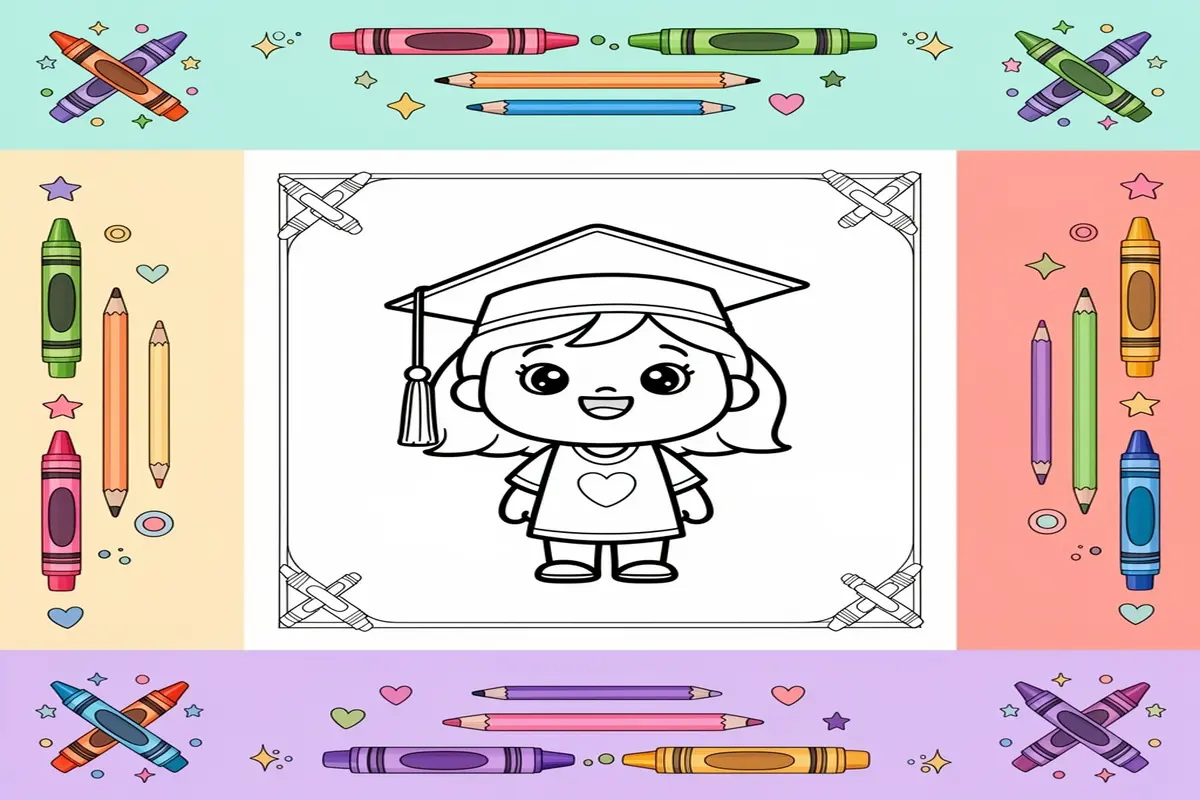
In the vibrant world of childhood education, few tools blend learning and leisure as seamlessly as school coloring pages for kids. These aren’t just simple drawings; they are gateways to focus, fine motor skill development, and quiet self-expression. In an era of constant digital stimulation, the tactile act of choosing a crayon and filling a space with color provides a grounding, mindful break that nurtures a child’s cognitive and emotional growth. The right collection of school coloring pages for kids can transform a hectic classroom moment into one of peaceful concentration, making them an indispensable resource for teachers and parents alike. From mastering the alphabet to exploring the wonders of the ocean with our free dolphin coloring pages, these activities lay a foundational love for learning through art.
The Quiet Power of the Coloring Craze: More Than Just Busy Work
The Mindful Minute: Coloring as a Focus Tool
Beneath the surface of every colored line lies a powerful psychological exercise. Engaging with school coloring pages for kids requires a gentle focus that naturally quietens the mind, reducing anxiety and improving concentration. This meditative state, often sought by adults through complex practices, is effortlessly accessed by a child with a coloring page. It’s a moment where the pressure to perform dissipates, replaced by the simple, satisfying goal of creation. This makes school coloring pages for kids a strategic tool for managing classroom energy and fostering a calm, ready-to-learn environment.
A Historical Hues: The Enduring Educational Legacy
The use of art in education is as old as pedagogy itself. What began with cave drawings and illuminated manuscripts has evolved into the purposeful educational resources we have today. School coloring pages represent a modern iteration of this timeless practice, designed to reinforce lessons visually. Whether it’s coloring a map, a historical figure, or the life cycle of a frog, the act of coloring cements knowledge through kinesthetic and visual learning. This historical thread confirms that combining art with instruction is not a trend, but a proven method for engaging young minds and enhancing memory retention.
Designed for All: Inclusivity at the Coloring Table
The true genius of a well-curated set of school coloring pages lies in its universal appeal. They are meticulously crafted to be accessible to children at every stage of development. For the youngest learners, large, simple shapes help build confidence in grip and control. For older children, more intricate scenes featuring detailed animals or complex patterns offer a satisfying challenge that rewards patience and precision. This scalable difficulty ensures that every child, regardless of skill level, can experience the joy and pride of completing a beautiful piece of work, making it a perfectly inclusive classroom activity.
Part 2: Essential Materials & Professional Setup for School Coloring Pages for Kids
To transform the simple act of coloring into a rich, educational, and enjoyable experience, having the right materials is crucial. The quality of tools can significantly impact a child’s engagement, fine motor development, and the final masterpiece. This guide outlines a professional approach to selecting supplies specifically for school coloring pages for kids, ensuring every coloring session is both fun and fruitful. For foundational alphabet practice that pairs perfectly with these materials, explore our comprehensive ABC coloring pages for kids.
The Foundation: Premium Paper for School Coloring Pages for Kids
The paper is your canvas and the most critical choice. Standard printer paper (20-24 lb) is prone to bleeding and tearing, leading to frustration. For a superior experience, opt for:
Bright White, Smooth-Finish Paper (32 lb / 120 GSM): This weight provides a sturdy, bleed-resistant surface that handles most mediums. The bright white enhances color vibrancy.
Cardstock (65-110 lb): Ideal for younger children or when using wet mediums like markers. Its thickness prevents bleed-through and allows for vigorous coloring without tearing.
Specialty Papers: For advanced projects, consider mixed-media paper. When printing school coloring pages for kids at home, adjust your printer settings to “cardstock” or “heavy paper” for optimal results.
Best Coloring Tools: A Detailed Medium Comparison
Choosing between markers, pencils, and crayons depends on the child’s age and the project’s goal.
Colored Pencils (Core Tools): Offer the greatest control for developing fine motor skills. Look for soft-core pencils (e.g., Prismacolor Premier, Crayola Signature) with high pigment levels for smooth, blendable layers. They are perfect for detailed school coloring pages for kids featuring animals, science diagrams, or intricate patterns.
Markers (Vibrant Impact): Provide instant, bold color. For children, choose water-based or dual-tip markers (broad and fine). Alcohol-based markers (like Copic) are for older students and professionals; they blend beautifully but bleed heavily. Always test on a spare sheet behind the page.
Crayons & Gel Sticks: Wax crayons are excellent for building hand strength in preschoolers. Gel crayons or “slick sticks” offer bold, smooth application with less pressure, a good middle ground between crayons and markers.
Finishing Touches: Gel Pens, Blenders, and Highlights
Elevate completed pages with specialty tools that add excitement and teach new techniques.
Gel Pens and Metallic Markers: Essential for adding sparkle to stars, highlighting key words, or tracing outlines. They make details pop on space themes or holiday pages.
Colorless Blenders: A colored pencil blender or a specific blender marker can teach children about shading and creating smooth gradients, adding a professional touch.
White Correction Pen or Gouache: Useful for adding highlights, correcting small mistakes, or creating clouds and snow effects, fostering creative problem-solving.
Creating the Perfect Workspace: Ergonomics and Lighting
A proper setup prevents fatigue and encourages focus, making coloring time more productive.
Ergonomics: Ensure the child’s feet are flat on the floor (or a stool) and the table is at elbow height. The coloring page should be angled to reduce neck strain—a simple clipboard or drawing board works perfectly.
Lighting: Natural light is best. Supplement with a bright, white LED desk lamp to reduce eye strain and ensure true color representation, which is vital for educational school coloring pages for kids where color differentiation may be part of the lesson.
Organization: Use cups or trays to organize tools by type and color. This not only keeps the space tidy but also helps children learn color names and make independent choices efficiently. A dedicated, flat surface allows for free movement and creativity.
Mastering School Coloring Pages for Kids: Advanced Techniques for Stunning Results
Moving beyond simply staying inside the lines, advanced techniques can transform a simple school coloring pages for kids activity into a masterclass in art fundamentals. These methods empower young artists to create depth, realism, and visual harmony, turning their pages into gallery-worthy pieces. This guide is designed for parents and teachers to help children unlock a new level of creative confidence.
Harmonious Palettes: Color Theory for Young Artists
Understanding basic color relationships elevates any project. Start with the color wheel. Teach children about complementary colors (opposites on the wheel, like blue and orange), which create vibrant contrast perfect for making elements pop. For a more serene look, like a peaceful landscape coloring page for kids, guide them toward analogous colors (neighbors on the wheel, like blue, blue-green, and green). This technique is excellent for creating unified scenes, whether it’s an ocean, forest, or sunset. Applying this theory to school coloring pages for kids helps children make intentional, aesthetically pleasing choices.
From Flat to 3D: Mastering Light and Shadow
Shading is the magic that brings a flat shape into the three-dimensional world. Here’s a simple step-by-step approach:
1. Identify Your Light Source: Decide where the light is coming from (e.g., the top left corner). Every shadow follows this rule.
2. Add Base Color: Color the entire object evenly with your main hue.
3. Apply Shadow: On the side opposite the light source, gently layer a darker shade of the same color (or a complementary color for richer shadows). Use softer pencil pressure for a smooth gradient.
4. Highlight: Leave a tiny strip of the paper white or use a very light color on the edges closest to the light source.
Practice this on rounded objects in fruit coloring pages for kids or animal coloring pages for kids to see dramatic results.
Adding Realism: Simple Texture Techniques
Texture makes a lion’s fur look touchable or water look wet. Use specific strokes to mimic different surfaces:
Fur/Fluff: Use short, quick, overlapping strokes in the direction the hair grows. Don’t color smoothly—let the white paper peek through for a fuzzy effect.
Scales (Fish/Reptiles): Create a pattern of small, curved “U” shapes or overlapping half-circles, adding darker shades on one edge of each scale.
Smooth Metal/Glass: Use extreme contrast. Include sharp, bright highlights right next to very dark shadows, with a smooth gradient in between.
Sky/Water: Use the side of your colored pencil tip and color in gentle, circular motions for a soft, blended effect, perfect for backgrounds.
The Art of Correction: Graceful Fixes for Coloring Errors
Mistakes are part of the process. Teach these graceful recovery strategies:
Incorporate the “Error”: A stray mark can become a butterfly, a leaf, or a spot on an animal’s coat. Creativity often springs from happy accidents.
Layer Over It: For small dark marks, try covering them with a white crayon or gel pen first, then color over the top. For lighter errors, simply coloring over them with a darker, opaque color can work wonders.
* Embrace Mixed Media: Use stickers, washi tape, or even draw a decorative border to cover a smudge at the edge of the page. This turns a correction into an added design element, especially useful on detailed educational coloring pages.
By integrating these techniques, the humble school coloring pages for kids becomes a powerful tool for developing fine motor skills, artistic understanding, and problem-solving abilities, all while creating beautiful art.
Showcasing Your School Coloring Pages for Kids: Creative Display Ideas
The fun doesn’t stop when the last crayon is put down. Transforming completed school coloring pages for kids into a gallery of their own boosts confidence and celebrates their effort. Here are inspiring ways to honor their artwork.
Preserving Your Masterpiece: Archival Tips
Protect and proudly display finished pages. For long-term keepsakes, consider using acid-free sheet protectors in a binder, creating a personal portfolio. Laminating pages makes them durable for placemats or reusable art. A simple and effective method is to use washi tape to create a rotating gallery on a bedroom or classroom wall. This easy rotation keeps the display fresh and exciting.
Beyond Display: Creative DIY Projects
Elevate coloring pages into cherished gifts and functional art. Carefully cut out colored images to create unique greeting cards, bookmarks, or gift tags. Adhere them to a canvas with decoupage glue for a textured masterpiece. For a collaborative classroom project, combine individual pages into a stunning mural or a “We Are Artists” banner. You can even use themed pages, like our beautiful Butterfly Coloring Pages, to create a mobile for a calming corner.
Your School Coloring Pages for Kids Questions Answered
Why is coloring important for school age children?
Coloring is a powerhouse for development. It strengthens fine motor skills and hand-eye coordination, which are foundational for handwriting. It also fosters focus, patience, and creativity. For school-aged kids, it serves as a calming, screen-free activity that reduces anxiety and allows for self-expression, making it a valuable tool both at home and in the classroom.
Where can I find free printable coloring pages?
Numerous educational websites and blogs offer vast libraries of free printables. Look for sites that categorize pages by theme, holiday, and educational topic to easily find the perfect school coloring pages for kids. Our own collection provides thousands of free options, from alphabet sheets to intricate animal designs, all ready to download and print.
What are the benefits of coloring in the classroom?
In the classroom, coloring is a versatile tool. It can introduce new topics, reinforce lessons (like anatomy or geography), and provide a quiet transition activity. It promotes mindfulness, helps improve pencil grip, and encourages peer interaction during collaborative projects, making learning engaging and accessible for different types of learners.
Does coloring help with handwriting skills?
Absolutely. Coloring requires the same tripod grip and controlled wrist movements as writing. The act of staying within lines builds the muscle strength and dexterity needed for letter formation. Regular practice with school coloring pages for kids directly supports the development of legible, controlled handwriting.
How do I print coloring pages for kids?
Ensure you have paper suitable for your coloring tools—printer paper for crayons, heavier cardstock for markers. In your printer settings, select “Fit to Page” and choose the highest quality print setting for crisp lines. For eco-friendly practice, print multiple pages on a single sheet using the “Multiple Pages Per Sheet” option in your print dialog box.
Final Thoughts: Your School Coloring Pages for Kids Journey Begins
The simple act of coloring opens a world of developmental benefits and creative joy for children. From honing essential motor skills to providing a peaceful outlet for expression, these pages are more than just a pastime—they are tools for growth. By displaying their work and integrating coloring into learning, you validate their effort and fuel their passion for creativity.
We hope this guide inspires you to create, display, and explore the endless possibilities together. Remember, every page colored is a step in their wonderful journey of discovery.
Ready for your next adventure? Explore our Safari Coloring Pages for Kids and bring a world of wild animals to life!