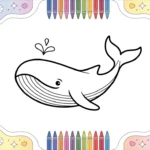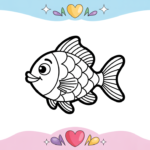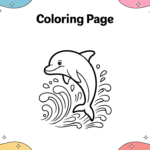
We offer a wide collection of free, high-quality printable coloring pages for kids and adults. From cute animals to intricate mandalas, our designs bring creativity and relaxation to everyone. Download, print, and start coloring today!

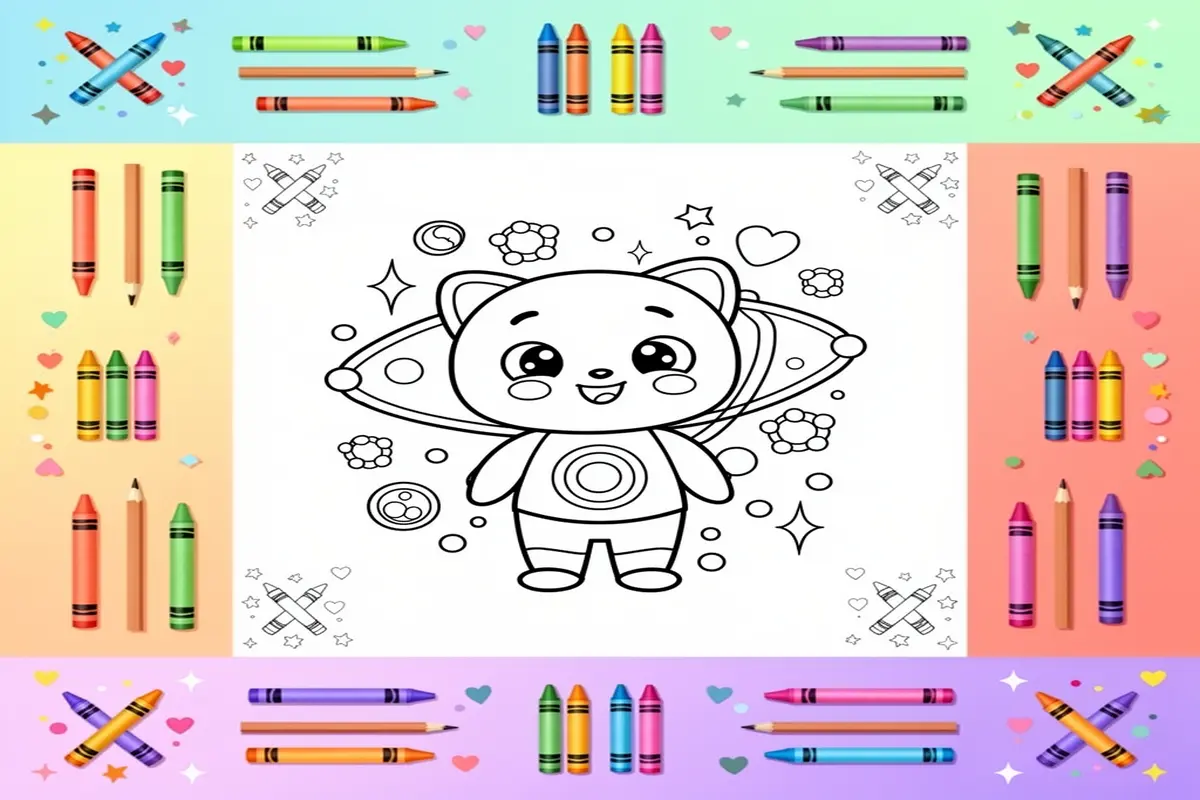
In a world saturated with digital stimuli, the simple act of coloring offers a profound return to tactile, focused creation. For the young, inquisitive mind, this activity transforms from mere play into a powerful gateway for discovery. Science coloring pages for kids are the perfect fusion of artistic expression and educational enrichment, turning complex concepts into accessible, engaging visual adventures. By coloring a detailed diagram of a cell, the intricate skeleton of a dinosaur, or the vast rings of Saturn, children don’t just fill spaces with color—they build neural pathways, reinforce vocabulary, and develop a foundational appreciation for the wonders of the natural and physical world. This unique category of science coloring pages for kids moves beyond simple outlines, offering a canvas where creativity meets curriculum, fostering both concentration and a lifelong love for learning. For a deep dive into the animal kingdom, a fantastic starting point is our collection of realistic animal coloring pages, which provide an excellent bridge between art and zoology.
The Alchemy of Art and Inquiry: Why Science Coloring Captivates
At the intersection of crayons and curiosity lies a potent educational tool. Science-themed coloring is not a passive activity; it is an interactive learning process that engages multiple cognitive domains simultaneously, making complex ideas tangible and memorable.
Cognitive Coloring: Building a Better Brain
The process of selecting colors for different scientific elements—like the red and blue of arterial and venous blood in a heart diagram or the green chloroplasts in a plant cell—requires observation, decision-making, and recall. This active engagement enhances fine motor skills and hand-eye coordination while solidifying the visual characteristics of scientific subjects. As children focus on staying within the lines of a butterfly’s wing patterns or a rocket’s detailed engine, they are also practicing patience and improving their ability to concentrate, skills that are transferable to all academic pursuits. The mindful state induced by coloring reduces anxiety, creating a positive and relaxed environment ideal for absorbing new information.
From Paleontology to Physics: A Historical Canvas
The use of illustration to demystify science has a rich history, from Leonardo da Vinci’s anatomical sketches to the detailed engravings in Darwin’s journals. Science coloring pages for kids are the modern descendant of this tradition, democratizing access to the visual language of discovery. They allow children to literally take part in illustrating the world, from the microscopic building blocks of life to the cosmic scale of galaxies. This hands-on participation helps demystify subjects that might seem daunting in a textbook, building confidence and a sense of ownership over their learning journey.
Designed for Every Young Explorer
The beauty of science coloring pages for kids lies in their universal appeal and scalability. For preschoolers and kindergarteners, simple pages featuring weather patterns, basic shapes, or friendly animals introduce foundational concepts. Elementary-aged children can grapple with more detailed life cycles, planetary systems, and labeled anatomy. Older kids and even teens benefit from intricate pages featuring botanical illustrations, geological cross-sections, or technological schematics that challenge their precision and understanding. This breadth ensures that every child, regardless of age or prior knowledge, can find a page that sparks their particular interest, whether it’s the depths of the ocean explored through ocean coloring pages or the frontiers of space found in outer space coloring pages.
Part 2: Essential Materials & Preparation for Engaging science coloring pages for kids
To transform a simple activity into a rich, educational experience, the right materials and preparation are key. This guide outlines the professional-grade supplies and setup that will elevate your science coloring pages for kids, ensuring vibrant results and fostering a focused, creative environment for young learners. Proper tools not only improve the final artwork but also enhance fine motor skill development and color theory understanding, making every session with science coloring pages for kids both fun and foundational.
The Foundation: Selecting Premium Paper for science coloring pages for kids
The paper you choose is the canvas for discovery. For standard use with crayons or colored pencils, a smooth, bright white paper with a weight of 100-120 GSM (grams per square meter) prevents bleed-through and allows for smooth layering. When using wet mediums like markers or watercolor pencils, upgrade to a heavyweight mixed-media paper (190+ GSM) or dedicated marker paper. This prevents frustrating bleed-through, keeps colors crisp, and allows for techniques like blending. For projects meant to be displayed or incorporated into science notebooks, cardstock (160-200 GSM) provides a durable, professional feel. Printing your chosen pages, such as detailed realistic animal coloring pages, on quality paper does justice to the intricate anatomical or ecological details, turning a coloring page into a lasting scientific artifact.
Advanced Coloring Mediums: Precision Tools for Young Scientists
The choice between markers, pencils, and other mediums can direct the learning focus.
Colored Pencils: The ideal starter tool for science coloring pages for kids. Look for pencils with soft, pigmented cores that blend easily. They encourage precision—perfect for coloring within the fine lines of a cell diagram or the segmented body of an insect. Layering different shades on a single leaf or geological layer teaches color mixing and patience.
Markers: Provide vibrant, saturated color that makes illustrations pop. For educational use, opt for alcohol-based markers (with blending capabilities) or high-quality water-based markers with fine tips for detail and broad tips for filling backgrounds. They are excellent for highlighting distinct zones on a map or the vivid patterns of a reef fish. Always test on a spare sheet to check for bleed-through.
Crayons & Gel Sticks: Fantastic for younger children, offering bold, waxy color. While less precise, they are excellent for covering large areas like skies, oceans, or dinosaur silhouettes, building hand strength in the process.
Detailing Instruments: Highlighting Scientific Accuracy
The fine details are where scientific observation shines. A set of fine-line gel pens (0.4mm tip or smaller) in white, metallic, and neon colors is indispensable. Use them to add highlights to a planet’s surface, label parts of a flower (in conjunction with a pencil), or create the glowing effect of a deep-sea creature. A quality white colored pencil or a gelly roll pen can be used for adding reflections to eyes or water droplets, teaching concepts of light and reflection. A good art eraser and a sharpener (for pencils) are essential for maintaining clean lines and precision throughout the coloring process.
Optimizing the Creative Laboratory: Workspace & Ergonomics
A proper workspace maximizes focus and minimizes mess. Ensure the coloring area is well-lit with natural or full-spectrum LED light to reduce eye strain and allow for true color perception—a critical aspect when discussing animal camouflage or plant life. The seating should support good posture; feet should rest flat, and the table height should allow forearms to be parallel to the floor. Use a desk pad or a large piece of cardboard underneath the coloring page to protect surfaces and provide a slightly softer drawing base. Organize materials within easy reach in cups or trays, and keep a cloth handy for quick clean-ups. This structured yet comfortable environment signals that the activity is both enjoyable and important, perfectly setting the stage for exploring the wonders of science coloring pages for kids.
Part 3: Elevating Your Art: Advanced Techniques for Science Coloring Pages for Kids
Ready to transform those simple outlines into stunning, gallery-worthy pieces? Moving beyond basic coloring, these advanced techniques will unlock a new level of creativity and realism in your science coloring pages for kids. This section is designed for parents and teachers to guide young artists toward professional-looking results, turning a fun activity into a true artistic and educational achievement.
Harmonious Palettes: Color Theory for Young Scientists
Understanding basic color theory can turn a good page into a great one. For science coloring pages for kids, this isn’t just about aesthetics—it’s about accuracy and mood. Teach children about complementary colors (opposites on the color wheel, like blue and orange on a clownfish) to make elements pop. For a more natural, serene look, explore analogous colors (neighbors on the wheel, like blues and greens for a deep ocean whale scene). Discuss how color choices can reflect an animal’s habitat or the time of day in a landscape, adding a layer of scientific observation to the artistic process.
From Flat to 3D: Mastering Light and Shadow
The secret to making a shape look solid is shading. Start by choosing a light source direction (e.g., the sun in the top left). Then, practice this simple three-step method on a rounded object like a planet or an animal’s body: 1) Base Color: Apply the main color evenly. 2) Shadows: Add a slightly darker shade of your color on the side opposite the light source. 3) Highlights: Use a lighter shade or leave a tiny white area on the side closest to the light. Blend gently where the colors meet. This technique instantly adds volume, transforming a flat circle into a sphere or a simple shape into a muscular animal limb.
Adding Realism: Creating Convincing Textures
Texture brings a page to life. Here’s how to tackle common scientific subjects:
Fur and Feathers: Instead of coloring in one direction, use short, quick strokes that follow the body’s contour. Layer different shades of the same color for depth.
Scales and Skin: For reptiles or fish, create a pattern of small, overlapping “U” shapes or ovals, then lightly shade one edge of each scale.
Rough Surfaces: For rocks, bark, or dinosaur skin, use a tiny circular scribbling motion with a sharp pencil to create a pebbled effect.
Smooth & Shiny: For a wet look on a dolphin or a sleek metal robot, ensure your colors are very smooth and leave a sharp, clean white highlight.
The Art of Correction: Graceful Fixes for Coloring Mistakes
Mistakes are part of the learning process. Teach these recovery strategies:
Over-Coloring: If a child colors outside the lines, don’t erase—embellish. Turn the stray mark into a leaf, a sparkle, or a shadow, integrating it into the scene.
Color Choice Regret: If a chosen color isn’t working, layer over it. Colored pencils are translucent; a light layer of a new color can often modify the old one (e.g., a yellow layer can warm up a too-cool green).
Blending Blunders: If colors become muddy, define areas again by carefully re-outlining with a sharper, darker pencil or by adding crisp details on top. Sometimes, introducing a new, bold accent color nearby can draw attention away from a blended area and restore visual balance. Remember, the goal is progress, not perfection.
Showcasing Your Science Coloring Pages for Kids: Creative Display Ideas
Once the coloring is complete, the learning and creativity don’t have to stop! Transforming finished pages into displays and projects adds a wonderful sense of accomplishment and extends the educational value. Here are inspiring ways to celebrate your child’s scientific artwork.
Preserving Your Masterpiece: Archival Tips
Protect those vibrant creations for years to come. For simple display, consider slipping pages into inexpensive clear sheet protectors and compiling them in a binder, creating a personal science portfolio. For a more permanent finish, use acid-free glue sticks to mount pages onto slightly larger colored construction paper, creating a classic matted look. Laminating pages is a fantastic option for frequently handled masterpieces, making them durable enough to be turned into placemats or even reusable “science fact” cards.
Beyond Display: Creative DIY Projects
Turn colored pages into functional art and heartfelt gifts. Carefully cut out colored animals or planets to create unique, personalized greeting cards or bookmarks. For a collaborative project, assemble a “classroom quilt” by taping several themed pages together—like creating a vast ocean scene from individual fish coloring pages. You can also decoupage colored pages onto a plain notebook cover or a small storage box, crafting custom science-themed organizers for their room or classroom supplies.
Your Science Coloring Pages for Kids Questions Answered
What are the benefits of science coloring pages?
Science coloring pages for kids seamlessly blend art with education. They build fine motor skills and hand-eye coordination while serving as a visual aid for learning complex topics. Coloring a detailed plant cell or a dinosaur skeleton helps children internalize scientific structures and vocabulary in a low-pressure, engaging way, making abstract concepts tangible and memorable.
Where can I find free science coloring pages?
Many educational websites and museums offer free, high-quality printables. You can find a fantastic and growing collection of themed pages, from ocean life to astronomy, right here on our site. Libraries and teacher resource blogs are also excellent sources for free science coloring pages for kids that align with specific curriculum topics.
How does coloring help with STEM learning?
Coloring supports STEM learning by fostering observation, pattern recognition, and attention to detail—key scientific skills. As children decide on colors for a habitat or label parts of a robot, they engage in planning and analytical thinking. This hands-on activity reinforces lessons, reduces learning anxiety, and can spark deeper curiosity about how things work.
What are popular science themes for coloring pages?
Popular themes span the natural and physical sciences. Favorites include dinosaurs, space exploration (planets, astronauts, rockets), detailed animal anatomy, weather phenomena, the human body, and botanical illustrations. Pages featuring ecosystems, like the ocean or rainforest, are also hugely popular and provide a great entry point into discussions about biology and conservation.
What age is best for science coloring pages?
Science coloring pages for kids are wonderfully adaptable for all ages. Simpler, larger illustrations are perfect for preschoolers (ages 3-5) to introduce basic concepts. School-aged children (6-12) benefit from more detailed pages with labels and diagrams that challenge their growing skills and knowledge. Even older kids and adults enjoy the mindful, educational aspect of complex anatomical or astronomical designs.
Final Thoughts: Your Science Coloring Pages for Kids Journey Begins
The journey with science coloring pages is one of quiet discovery and vibrant expression. It’s a simple activity that yields profound benefits: nurturing a child’s artistic confidence while laying a foundational stone for scientific literacy. Each page completed is more than just art; it’s a memory made, a fact learned, and a moment of focused calm in a busy world. These pages are tools that empower parents and teachers to make learning visible, tangible, and joyfully creative.
We hope this guide inspires you to fill your home or classroom with color and curiosity. Remember, every masterpiece begins with a single stroke of color. Ready for your next adventure? Explore our astronaut coloring pages for kids and launch a creative mission to the stars today