We offer a wide collection of free, high-quality printable coloring pages for kids and adults. From cute animals to intricate mandalas, our designs bring creativity and relaxation to everyone. Download, print, and start coloring today!

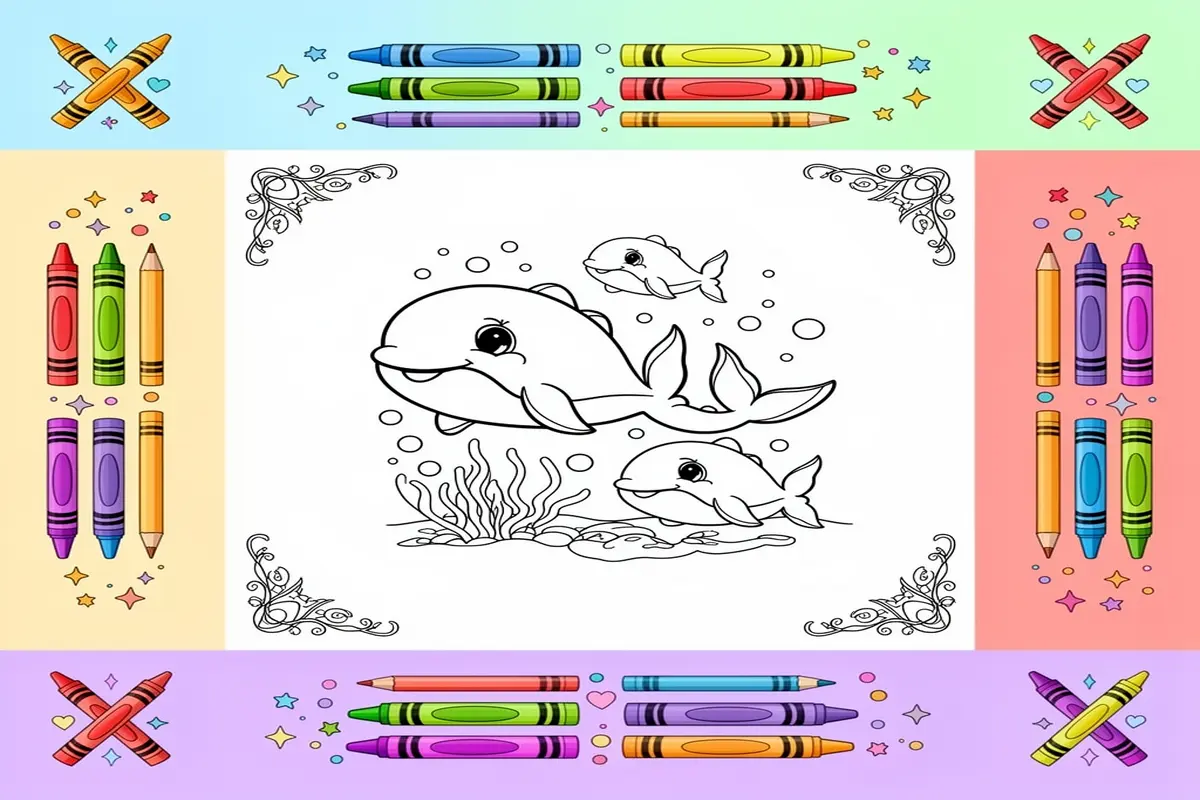
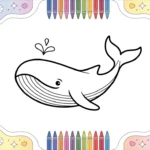
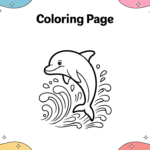
Imagine the quiet focus of a child, completely absorbed in bringing a majestic humpback whale to life with swirls of blue and gray. This simple act is more than just play; it’s a gateway to imagination, learning, and calm. sea animals coloring pages for kids offer a unique portal to the mysteries of the deep, transforming a blank page into a vibrant underwater ecosystem. From the gentle glide of dolphins to the intricate tentacles of an octopus, these activities are not merely about staying within the lines—they are about exploring a world teeming with life, color, and wonder. Engaging with sea animals coloring pages for kids fosters a connection to marine biology, enhances fine motor skills, and provides a serene, screen-free escape. It’s a creative journey that begins with a single crayon and a page waiting to be transformed, like our collection of free dolphin coloring pages.
The Deep Blue Allure: Psychology & Timeless Appeal
What is it about the ocean’s inhabitants that captures our imagination so completely? The appeal of sea animals coloring pages for kids is rooted in both psychology and the innate human fascination with the unknown. Coloring these majestic creatures provides a unique blend of education and artistry, making every session a mini deep-sea adventure.
The Calm of the Current: Mindfulness Beneath the Waves
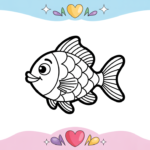
The rhythmic, repetitive motion of coloring has a profoundly meditative effect, known to reduce anxiety and improve focus. When a child concentrates on shading the scaly body of a fish or the patterned shell of a sea turtle, their mind enters a state of flow. This mindful engagement is a gentle exercise in emotional regulation, offering a peaceful retreat from daily overstimulation. The serene themes of the ocean—its vast blues and greens—naturally promote a sense of tranquility, making these pages a perfect tool for quiet time or calming down before bed.
From Ancient Depths to Modern Pages: A Cultural Voyage
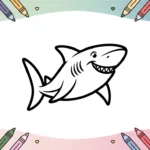
The ocean has always been a source of myth, sustenance, and inspiration across human cultures. By coloring creatures like the powerful shark or the graceful jellyfish, children unconsciously connect to centuries of seafaring stories and ecological importance. These pages serve as a subtle introduction to marine conservation, sparking curiosity about real-life ecosystems. They transform abstract concepts of ocean life into tangible, colorful art, building a foundational appreciation for our planet’s most expansive habitat.
An Ocean for Every Explorer: Tailored for All Skill Levels
The beauty of sea animal themes lies in their incredible versatility. For young toddlers, simple outlines of friendly crabs or smiling seahorses build confidence in hand-eye coordination. Older children and even adults can find challenge and satisfaction in detailed illustrations of orcas, coral reefs, or the ancient leatherback sea turtle. This scalability ensures that the activity grows with the artist, continually offering new levels of complexity and engagement. Whether a beginner or a seasoned colorist, everyone can find a page that invites them to dive in and explore their creative potential.
Part 2: Essential Materials & Professional Setup for sea animals coloring pages for kids
To transform your printable sea animals coloring pages for kids from a simple activity into an enriching artistic experience, the right materials and preparation are key. This guide outlines a professional toolkit that enhances fine motor skills, color vibrancy, and overall engagement, ensuring every whale, dolphin, and octopus creation is a masterpiece.
The Foundation: Selecting Premium Paper for Durability
The paper you choose is the canvas for your ocean adventure. Standard printer paper (20-24 lb) is sufficient for quick sessions with crayons, but it bleeds easily with markers. For a superior experience, especially with wet mediums, upgrade to heavyweight paper (32 lb or higher) or dedicated marker paper. This prevents bleed-through, allows for color layering, and makes finished pieces sturdy enough for display or crafts coloring pages. For a special textured effect, consider lightly toned sketch paper, which can make the bright colors of tropical fish or jellyfish truly pop.
Best Coloring Tools: A Detailed Medium Comparison
The choice of medium defines the final look of your sea animals coloring pages for kids.
Colored Pencils: Ideal for detail and control. Wax-based pencils offer vibrant colors perfect for a shark coloring pages free printable kids, while oil-based pencils blend smoothly for creating gradient ocean depths. Look for soft, pigmented cores that require minimal pressure, aiding small hands.
Markers: Provide bold, saturated color. For children, alcohol-free, washable markers are the safest bet. For vibrant, bleed-resistant results on quality paper, consider fine-tip water-based markers. They allow for both broad strokes on a whale’s body and fine lines on a seahorse’s ridges.
Crayons: The classic choice for young artists. Their resistance encourages defined pressure control. Opt for high-pigment, break-resistant varieties for bold coverage on larger sea creatures like turtles and whales.
Finishing Touches: Enhancing Details with Specialty Tools
Elevate the artwork with tools that add depth and brilliance. White gel pens are indispensable for adding tiny bubbles, light reflections on wet scales, or detailed patterns on an octopus coloring pages. They can also be used to correct small over-colors. For a shimmering underwater effect, consider non-toxic metallic colored pencils or crayons. A set of quality blending stumps (tortillons) is excellent for older kids to smoothly blend pencil shades, creating realistic shadowing under a coral reef or on a dolphin’s back.
Creating the Perfect Workspace: Ergonomics & Lighting
A proper setup fosters focus and comfort. Ensure the coloring surface is stable and at an appropriate height to prevent hunching. Good, natural light is ideal, but a bright, white LED desk lamp prevents eye strain and ensures true color representation, which is crucial when selecting the perfect blues for the ocean. Keep supplies organized in accessible cups or trays, and always protect the work surface with a washable mat or cardboard. Having a dedicated, clutter-free space signals that the activity of exploring sea animals coloring pages for kids is a valued and creative time.
Part 3: Elevating Your Art: Advanced Techniques for Sea Animals Coloring Pages for Kids
Ready to transform those simple outlines into stunning underwater masterpieces? This section moves beyond basic filling to explore professional techniques that will bring incredible depth and realism to your sea animals coloring pages for kids. By mastering a few key concepts, you and your young artist can turn every page into a vibrant, textured scene from the ocean deep.
Harmonious Palettes: Color Theory for Oceanic Scenes
Understanding basic color theory can elevate a coloring page from nice to breathtaking. For sea animals coloring pages for kids, think about the environment. Use analogous colors (colors next to each other on the wheel, like blues, greens, and teals) to create a soothing, realistic ocean background. Then, make your creature pop with a complementary color—the color directly opposite on the wheel. A bright orange seahorse coloring page against a blue-green seagrass bed is a perfect example of this eye-catching contrast. For a harmonious, realistic look on a leatherback sea turtle coloring page, use analogous shades of gray, blue, and black.
From Flat to 3D: Mastering Light and Shadow
Shading is the magic trick that adds volume. First, decide where your light source is (e.g., the top of the page). Areas facing the light are lighter; areas opposite are darker. Start with a base color. Then, using a slightly darker shade of the same color, gently layer along the edges and underside of your dolphin’s body or the recesses of a whale’s mouth. For a smooth gradient, color more heavily in shadowed areas and lightly as you move toward the “light.” A simple trick for kids: use white space! Leaving a thin, uncolored highlight along the top curve of a shark’s fin instantly makes it look rounded.
Adding Realism: Creating Aquatic Textures
Each sea creature has a unique texture. Here’s how to mimic them:
Smooth & Sleek: For dolphins or whales, use long, continuous strokes in one direction to create a wet, glossy look.
Bumpy & Rough: For a crab’s coloring page, use small, tight circular motions or tiny dots to suggest a textured shell.
Translucent & Glowing: For jellyfish, use very light, layered pressure with purples, pinks, or blues. Leave plenty of white space in the center of the bell to create a glowing, see-through effect.
* Patterned Skin: For creatures like leopard sharks or ornate octopuses, first lay down the base skin color lightly. Then, using a sharp pencil or fine-tip marker, add the spots or patterns on top.
The Art of Correction: Graceful Fixes for Coloring Mistakes
Mistakes are part of the process! If color goes outside the lines, don’t panic. Often, you can incorporate it into the background—turn that blue streak into a nearby bubble or wave. For small, unwanted marks, a good white gel pen can be a savior for covering up errors on darker areas. If pressing too hard creates a waxy spot that won’t take new color, gently blend over it with a similarly colored pencil using a circular motion. Remember, the ocean is fluid and forgiving; many “mistakes” can simply become part of the underwater scenery.
Showcasing Your Sea Animals Coloring Pages for Kids: Creative Display Ideas
Once your young artist has brought their underwater world to life, it’s time to celebrate their work! Moving beyond the coloring book, displaying their masterpieces boosts confidence and transforms their art into a cherished part of your home.
Preserving Your Masterpiece: Archival Tips
To ensure those vibrant sea animals coloring pages for kids last, consider simple preservation methods. For flat displays, use acid-free tape or photo corners in a frame. For a more durable, glossy finish, a thin layer of Mod Podge works wonders. Laminating pages is perfect for art that will be handled often, turning them into placemats or even a custom ocean-themed binder cover.
Beyond Display: Creative DIY Projects
Turn completed pages into meaningful gifts and keepsakes. Create ocean-themed greeting cards by folding and decorating colored pages. Laminate and cut out individual creatures like dolphins or turtles to make bookmarks. For a grand project, assemble multiple pages into a stunning underwater mural for the playroom wall, telling a unique story of the deep blue sea.
Your Sea Animals Coloring Adventure Questions Answered
How do you color a sea turtle?
Start with a realistic palette: greens, browns, and yellows for the shell. Use darker shades in the hexagonal patterns and lighter ones in between for depth. The skin can be a mix of gray and green. Don’t forget to add a pop of color for the eyes! Encourage kids to research leatherback or green sea turtles for inspiration on our dedicated leatherback sea turtle coloring pages.
What are the benefits of coloring for kids?
Coloring is a powerhouse for development. It enhances fine motor skills and hand-eye coordination, builds focus and patience, and serves as a calming, screen-free activity. It’s also a fantastic outlet for creative expression and color recognition, making sea animals coloring pages for kids both fun and fundamentally beneficial.
What are the most popular sea animals?
Classic favorites always include dolphins, sharks, sea turtles, and colorful tropical fish. Octopuses, jellyfish, seahorses, and whales are also hugely popular for their unique and fascinating shapes. These creatures provide endless variety and learning opportunities on every printable page.
How to print sea animal coloring pages?
It’s simple! Find a trusted site offering free, high-quality PDFs. Ensure your printer has paper (standard copy paper is fine, but cardstock prevents bleed-through). In your printer settings, select “Fit to Page” for best results. Always preview before printing. For a vast selection, explore our library of free sea animals coloring pages for kids and related themes.
Is coloring good for child development?
Absolutely. Beyond artistic skills, coloring supports crucial developmental areas. It strengthens the hand muscles needed for writing, improves concentration, encourages color and shape recognition, and provides a safe space for emotional expression. It’s a foundational activity that blends learning with joyful creativity.
Final Thoughts: Your Sea Animals Coloring Pages for Kids Journey Begins
The journey with sea animals coloring pages for kids is about so much more than staying inside the lines. It’s an adventure into a vibrant underwater world that sparks curiosity, nurtures growth, and creates quiet moments of family connection. Each finished page is a testament to your child’s creativity and a building block for their developmental skills, from patience to precision.
We hope this guide inspires you to dive deep into this rewarding activity. Remember, there’s a whole ocean of creativity waiting to be explored. Ready for your next adventure? Explore our entire collection of animal coloring pages for kids and let the safari of color continue!