We offer a wide collection of free, high-quality printable coloring pages for kids and adults. From cute animals to intricate mandalas, our designs bring creativity and relaxation to everyone. Download, print, and start coloring today!

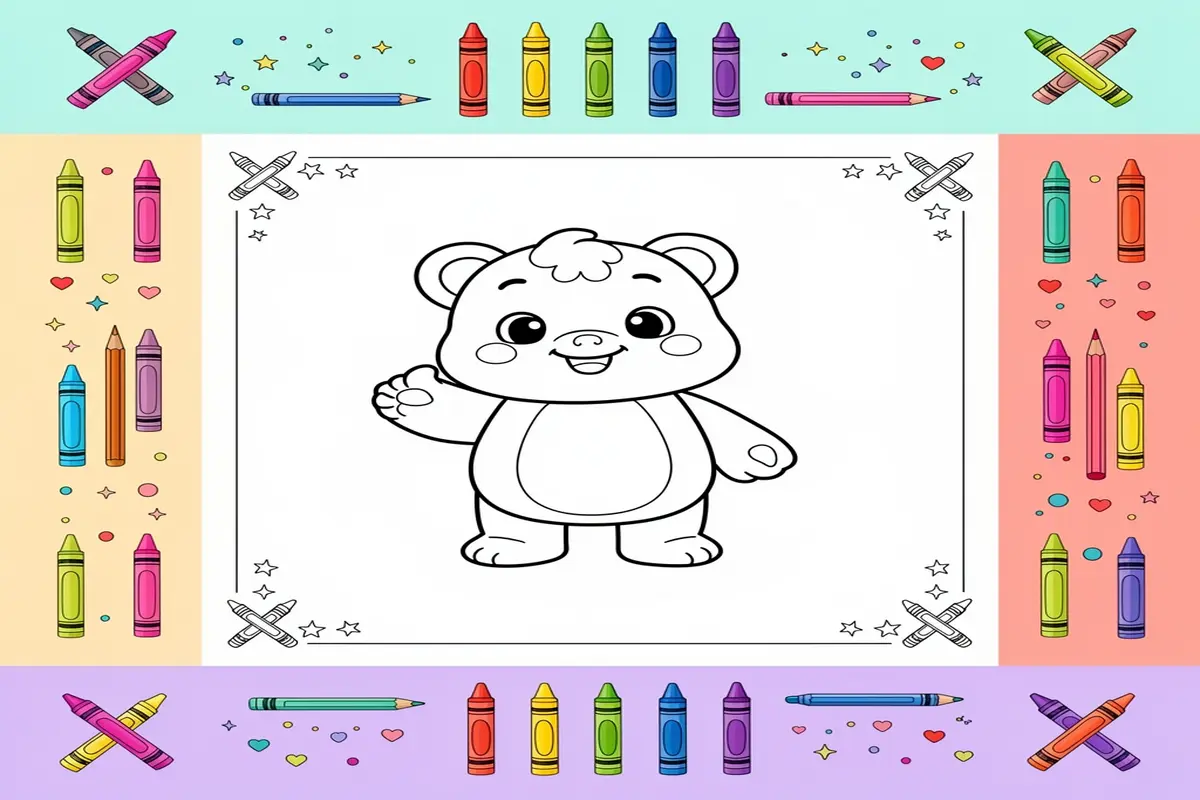
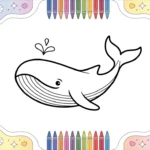
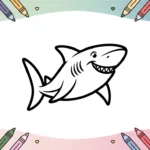
In a world that often prizes precision and perfection, there exists a delightful counter-movement: the unbridled, whimsical world of silly coloring pages for kids. Far from a simple pastime, these playful illustrations represent a gateway to pure, unadulterated creativity. They invite young minds to break free from the constraints of reality, encouraging them to imagine a shark wearing a top hat, a dinosaur riding a skateboard, or a jellyfish with a dazzling smile. This isn’t just coloring; it’s an exercise in joyful rebellion against the ordinary. The magic of these pages lies in their ability to transform a quiet activity into a burst of laughter and imaginative storytelling. For parents and educators seeking to cultivate a love for art that is stress-free and endlessly engaging, silly coloring pages for kids offer the perfect canvas. They complement more realistic themes, like our serene free whale coloring pages, by providing a contrasting, humor-filled outlet that celebrates the absurd and the amusing.
The Whimsy Workshop: Unpacking the Allure of the Absurd
The Psychology of Play: Where Laughter Meets Learning
At its core, the appeal of silly coloring pages is rooted in the psychology of play. When a child encounters an octopus holding ice cream cones in all eight arms, it triggers delight and curiosity. This positive emotional response lowers barriers to engagement, making the activity intrinsically motivating. The silliness removes any fear of “getting it wrong,” as there is no correct way to color a pig in a tutu. This freedom reduces anxiety and fosters a growth mindset, where the process is valued over the product. The act of choosing outrageous colors for a silly scene becomes a safe space for decision-making and self-expression, building confidence alongside fine motor skills.
A Historical Wink: From Doodles to Digital
While coloring books have a formal history dating back to the 19th century, the instinct to create silly, exaggerated drawings is as old as childhood itself. Marginalia in ancient texts and cave walls show a human propensity for humor and caricature. Today’s silly coloring pages for kids are the professional evolution of those spontaneous doodles—a curated invitation into a tradition of lighthearted art. They connect modern children with the timeless, universal language of visual humor, serving as a cultural canvas that is constantly being renewed with contemporary jokes and beloved characters.
Designed for Universal Delight: Who Benefits Most?
The genius of these pages is their remarkably wide appeal. For the young toddler, they are a captivating introduction to shapes and characters, holding attention with their unexpected details. For the school-aged child, they provide a much-needed mental break from structured learning, a chance to decompress with pure fun. Even older kids and adults can find a nostalgic or stress-relieving escape in these whimsical designs. Furthermore, they are a superb tool for educators and therapists to build rapport, stimulate conversation, and encourage narrative thinking. By asking, “What silly story is happening here?” a simple coloring session blossoms into a creative writing exercise. Ultimately, silly coloring pages for kids are less about artistic mastery and more about unlocking imagination, proving that creativity often flourishes most when it doesn’t take itself too seriously.
Professional Materials for silly coloring pages for kids: A Curator’s Guide
To transform our collection of silly coloring pages for kids from a simple activity into a vibrant masterpiece, the right materials are paramount. This section details the professional-grade supplies that will elevate the coloring experience, ensuring crisp lines, brilliant colors, and hours of focused, creative fun. Proper preparation with these tools not only improves the final artwork but also builds a child’s confidence in their artistic abilities.
The Foundation: Premium Paper for silly coloring pages for kids
The paper you choose is the single most important factor in coloring success. Standard printer paper (20-24 lb) is too thin for most wet media and will bleed, buckle, and tear easily. For silly coloring pages for kids, opt for a heavier weight. A 32 lb (120 GSM) premium bright white paper is ideal; it provides a smooth surface for fine details and handles markers without bleed-through. For a truly professional result, especially with intricate designs like our abstract coloring pages for kids, consider 60 lb (160 GSM) cardstock. This weight is durable, allows for blending, and gives finished artwork a substantial, framable quality.
The Artist’s Palette: Comparing Coloring Mediums
Selecting the right coloring tool depends on the desired outcome and the child’s skill level.
Colored Pencils: The go-to for control and detail. Look for soft-core, wax-based pencils (like Prismacolor Premier or Faber-Castell Polychromos) for their superior blendability and pigment saturation. They are perfect for shading the whimsical curves of a silly octopus or adding texture to a funny lion’s mane. They require no drying time and are less messy, making them excellent for travel or quieter settings.
Markers: For bold, vibrant, and flat areas of color, markers are unmatched. Alcohol-based markers (like Copic or Ohuhu) offer seamless blending and are bleed-resistant on marker paper. However, for most silly coloring pages for kids, high-quality water-based markers (such as Crayola Super Tips or Staedtler Triplus Fineliners) are a safer, more affordable choice. They provide brilliant color on heavyweight paper with minimal bleed. Always test on a corner first.
Precision and Pop: Detailing Tools & Special Effects
This is where silly coloring pages for kids truly come to life. Gel pens are indispensable for adding tiny highlights, creating patterns, or outlining. Metallic and glitter gel pens can make scales sparkle or give a silly alien an otherworldly glow. For a professional touch, keep a white gel pen (like Gelly Roll) for adding highlights to eyes or creating reflections. A set of fine-line archival ink pens (e.g., Micron or Staedtler Pigment Liner) in sizes 01, 03, and 05 is perfect for children who want to redefine outlines or add their own silly details before coloring.
Crafting the Ideal Creative Workspace
A proper setup prevents fatigue and fosters creativity. Ensure the workspace is well-lit with natural light or a daylight-spectrum lamp to reduce eye strain and show true colors. The seating should support good posture; the child’s feet should rest flat, with the table at elbow height. Use a clipboard or a portable hard surface for coloring on the go. Always place a scrap paper under the working hand to prevent oils from skin smudging pencil work, and keep a clean, damp cloth nearby for quick clean-ups. Organize supplies within easy reach in small containers, turning preparation into part of the fun ritual.
Part 3: Elevating Your Art: Advanced Techniques for silly coloring pages for kids
Ready to transform those silly coloring pages for kids from simple fill-ins into stunning works of art? This section moves beyond basic crayon strokes to introduce techniques that add depth, realism, and a professional flair. These skills are perfect for parents and teachers looking to guide young artists toward more satisfying, impressive results.
Harmonious Havoc: Color Theory for silly coloring pages for kids
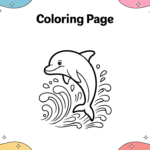
Understanding basic color theory can turn chaotic silliness into intentional, eye-catching art. Start with complementary colors (opposites on the color wheel, like blue and orange) to make elements pop—imagine a silly purple monster with bright yellow spots! For a more calming, cohesive look, use analogous colors (neighbors on the wheel, like blue, teal, and green) for a scene, such as an underwater scene with our free dolphin coloring pages. Encourage kids to plan a simple palette before starting; it’s a fun, educational step that elevates their final piece.
From Flat to Fabulous: Mastering Shading and Depth
Shading is the magic trick that adds dimension. Teach a simple three-step method: 1) Identify your light source (e.g., the sun in the top corner). 2) Color the base layer evenly across the object. 3) Add a darker shade on the sides opposite the light source. For instance, on a silly, rotund pig coloring page, the bottom and far side would be a deeper pink. Use light pressure for highlights and heavier pressure for shadows. This technique instantly makes drawings look three-dimensional.
Texture Tales: Bringing Surfaces to Life
Silly characters come alive when you can feel their surfaces. Demonstrate specific strokes for different textures:
Fur or Hair: Use short, quick, overlapping strokes in the direction the hair grows. Try this on a cute lion coloring page.
Scaly Skin: Create a pattern of small, curved “U” shapes or overlapping crescents, perfect for dragons or silly lizards.
Soft Fluff: Use tiny, circular scribbles with a white or light center, ideal for clouds or a chick’s feathers.
Smooth & Shiny: Leave a stark white highlight and use very smooth, gradual shading from dark to light, great for a silly robot or balloon.
The Art of the Oops: Graceful Error Correction
Mistakes are part of the creative process. Turn them into learning moments. For small slips outside the lines, a white gel pen is a savior for neatening edges. If a color turns out too dark, try blending a lighter color over the top to mute it. Sometimes, a “mistake” can be incorporated creatively—an accidental mark can become a fun freckle, a button, or a spot on a jellyfish coloring page. The key is to stay flexible and keep the experience positive, showing that even professional artists adapt as they go.
Showcasing Your Silly Coloring Pages for Kids: Creative Display Ideas
The fun doesn’t stop when the crayons are down! Transforming your child’s silly coloring pages into cherished keepsakes or playful decor is a wonderful way to celebrate their creativity and build their confidence.
Preserving Your Masterpiece: Archival Tips
To ensure those silly masterpieces last, consider simple preservation methods. For a professional touch, use acid-free sheet protectors in a binder, creating a personalized art portfolio. For wall displays, inexpensive clip frames or washi tape (which peels off easily) make rotating gallery walls a breeze. Laminating favorite pages is perfect for creating placemats or durable bookmarks that can withstand daily love and use.
Beyond Display: Creative DIY Projects
Elevate the artwork into thoughtful gifts and crafts. A colored page can become a unique greeting card when folded and glued onto cardstock. Create custom gift tags, festive ornaments, or decoupage them onto a plain box for special storage. For a collaborative project, let your child color several silly animal pages and bind them together with yarn to create a one-of-a-kind storybook they can “read” and show off.
Your Silly Coloring Pages for Kids Questions Answered
What are the benefits of coloring for kids?
Coloring is a powerhouse activity for development. It enhances fine motor skills and hand-eye coordination as children learn to stay within lines. It fosters creativity, color recognition, and focus. It also serves as a calming, screen-free outlet for self-expression and emotional regulation, making it both fun and fundamentally beneficial.
Where can I find free printable coloring pages?
You can find a vast array of high-quality, free printable coloring pages on dedicated websites like Safari Coloring. We offer thousands of themes, from silly animals to holidays and educational topics. Simply browse, click, and print—it’s that easy to start a new creative adventure with your kids.
How to make your own coloring pages?
You can create custom silly coloring pages for kids by using simple tracing methods. Place a blank paper over a favorite cartoon image or your child’s own simple drawing and trace the outlines. Alternatively, use basic drawing apps or even a black marker to turn a simple photo into a line drawing by outlining the main shapes.
What skills does coloring develop?
Coloring develops a suite of essential skills. Physically, it strengthens the hand muscles needed for writing. Cognitively, it boosts concentration, patience, and spatial awareness. It also encourages planning (color choice) and provides a foundation for artistic expression, making every silly coloring page a mini learning lab.
How do I print coloring pages?
For best results, ensure your printer has ink and paper. On the webpage, click the print button or download the PDF first. In your printer settings, select “Fit to Page” to avoid cut-off edges. Use standard printer paper for everyday fun, or cardstock for projects requiring more durability, like making bookmarks or ornaments.
Final Thoughts: Your Silly Coloring Pages for Kids Journey Begins
The world of silly coloring pages for kids is a gateway to so much more than just passing time. It’s a vibrant space where developmental skills grow alongside imagination, where laughter meets focus, and where a simple piece of paper becomes a canvas for confidence. By displaying their work and transforming it into gifts, you validate their effort and nurture a lifelong love for creating. Remember, the goal isn’t perfection, but the joyful process of expression and connection it brings to your family.
Ready for your next adventure? Explore our entire collection of fun animal pages and keep the creativity flowing!