We offer a wide collection of free, high-quality printable coloring pages for kids and adults. From cute animals to intricate mandalas, our designs bring creativity and relaxation to everyone. Download, print, and start coloring today!

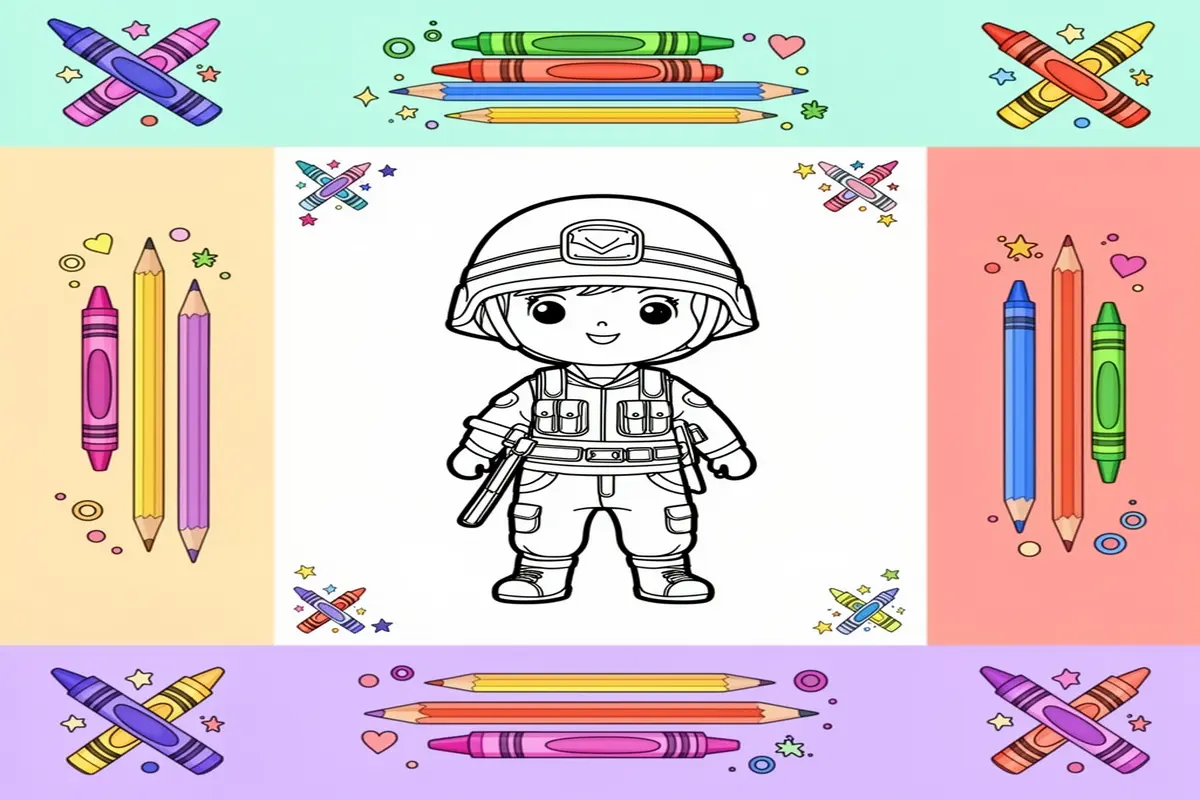
In a world saturated with digital noise, the simple act of coloring remains a timeless portal to focus, creativity, and emotional connection. It’s more than just filling in lines; it’s a mindful practice that allows children to explore complex themes in a safe, accessible way. When it comes to soldier coloring pages for kids, this creative endeavor transforms into a powerful tool for education and respect. These pages offer a unique opportunity for young artists to engage with concepts of service, courage, and history, using their crayons and markers to bring scenes of valor to life. Far from the fantastical realms of dragons or mermaids, soldier-themed art provides a grounded, meaningful subject that can spark important conversations between generations. As they color uniforms, flags, and symbols of peace, children develop a nuanced appreciation for the individuals who serve, making these soldier coloring pages for kids a valuable addition to any educational or recreational coloring collection, much like exploring the diverse creatures of the sea with our free dolphin coloring pages.
The Psychology & Appeal: More Than Meets the Eye
Why do themes of bravery and duty resonate so deeply, even through the medium of a coloring page? The appeal of soldier coloring pages for kids is multifaceted, tapping into developmental psychology, a desire for order, and the innate human draw to heroism.
The Calm in the Details: Focus and Fine Motor Mastery
Coloring a soldier’s uniform—with its badges, patches, and precise equipment—requires a level of attention to detail that is inherently calming. This focused activity helps quiet the mind, guiding children into a state of flow where external anxieties fade away. The structured lines provide a safe framework within which they can exercise control and make creative decisions, from the colors of camouflage to the hue of a beret. This process is excellent for developing fine motor skills and patience, as careful coloring within smaller areas strengthens hand-eye coordination in a rewarding, low-pressure context.
A Bridge to Understanding: History and Heritage in Hue
These pages serve as a gentle, age-appropriate introduction to historical and contemporary narratives. A child coloring a soldier from a past era is unknowingly connecting with a story larger than themselves. Parents and educators can use these moments to discuss values like sacrifice, teamwork, and patriotism in simple terms. It transforms abstract concepts into tangible art, making history personal and memorable. Whether depicting a modern peacekeeper or a historical figure, each soldier coloring pages for kids becomes a cultural canvas, allowing families to explore heritage and national pride through a shared, creative activity.
Curated for Every Young Artist: From Simple Silhouettes to Complex Scenes
The beauty of this theme lies in its versatility. For the youngest colorists, pages might feature friendly, cartoon-style soldiers or simple silhouettes against a flag background, requiring broad strokes and bold color choices. For older children and even pre-teens, more intricate scenes with detailed landscapes, vehicles, and groups of figures offer a satisfying challenge. This range ensures that every child, regardless of skill level, can find a page that engages them, builds confidence, and fosters a sense of accomplishment. It’s an inclusive artistic pursuit that meets children where they are, using the universal language of art to explore respect and admiration.
Part 2: Essential Materials & Preparation for soldier coloring pages for kids
Before your young artist begins bringing their soldier coloring pages for kids to life, having the right tools and a prepared space is crucial for a successful and enjoyable experience. The proper materials not only enhance the final artwork but also build confidence and encourage attention to detail, which is perfect for the precise uniforms and equipment often featured in these pages. This guide outlines a professional-grade toolkit tailored for parents and educators.
The Foundation: Selecting Premium Paper for soldier coloring pages for kids
The paper you choose is the single most important factor in coloring success. For standard printing of soldier coloring pages for kids, avoid flimsy copy paper (70-80 GSM). Instead, opt for a heavier weight paper (100-130 GSM or cardstock), which prevents bleed-through from markers and allows for better blending with pencils. A smooth surface (hot-pressed) is ideal for fine details like facial features and insignias, while a slightly textured paper can add depth to backgrounds like camouflage or landscapes. For a themed project, consider pairing with our military coloring pages for kids to create a diverse collection.
Best Coloring Tools: A Detailed Medium Comparison
The choice between colored pencils and markers defines the artwork’s style. For soldier coloring pages for kids, colored pencils offer superior control. Wax-based pencils (like Crayola) are excellent for beginners, providing smooth layering. Artist-grade, oil-based pencils (like Faber-Castell Polychromos) offer harder leads for intricate details on weaponry and medals. Conversely, alcohol-based markers (like Copic or Ohuhu) deliver vibrant, uniform fills perfect for uniforms and vehicles, but require bleed-proof paper. Water-based markers are a safer, less messy option for younger children but can warp thinner paper. A hybrid approach often yields the best results: markers for large areas and pencils for detailing.
Finishing Touches: Gel Pens, Highlights, and Outlining
Elevate the completed soldier coloring pages for kids with specialized tools for accents. White and metallic gel pens are indispensable for adding highlights to boots, helmet visors, and buttons, creating a realistic shine. Fine-line black pens (such as Micron or Staedtler pigment liners) in sizes 01 and 05 are perfect for redefining outlines that may have blurred during coloring or for adding extra detail like stitching on uniforms. Consider keeping a set of skin-tone pencils or markers on hand to ensure realistic and diverse representations of the soldiers’ faces.
Perfect Workspace: Optimizing Lighting and Ergonomics
A proper setup prevents fatigue and fosters focus. Ensure the workspace is illuminated by bright, natural light or a high-quality daylight LED lamp to reduce eye strain and allow for accurate color perception. The chair and table should be height-appropriate so the child’s feet rest flat and their forearms can comfortably reach the page. Keep a clean scrap paper sheet under the coloring hand to prevent smudging, especially when using pencils. Organize all materials—pencils sorted by color family, markers capped when not in use—within easy reach to maintain a smooth, creative flow.
Part 3: Elevating Your Art: Advanced Techniques for soldier coloring pages for kids
Ready to transform your child’s coloring from simple to spectacular? This section moves beyond basic fills to explore professional techniques that bring soldier coloring pages for kids to life with depth, realism, and creativity. These methods are perfect for older kids, teens, or parents and teachers guiding the artistic journey.
Link: For more detailed, realistic subjects to practice these advanced skills on, explore our realistic animal coloring pages or intricate military coloring pages for kids.
Harmonious Palettes: Strategic Color Theory for Military Scenes
Choosing colors isn’t just about preference; it’s about storytelling. For soldier coloring pages for kids, understanding basic color theory creates more cohesive and impactful art.
Camouflage & Analogous Colors: Use analogous colors (those next to each other on the color wheel, like greens, browns, and tans) to realistically color camouflage uniforms and natural environments. This creates harmony and authenticity.
Spotlight with Complements: Use complementary colors (opposites on the wheel) to make key elements pop. A bright orange sunset (complement to blue) behind a soldier silhouette, or red details on a medal against a green uniform, instantly draws the eye and adds dramatic contrast.
From Flat to 3D: Mastering Light and Shadow
Shading is the magic that turns a flat shape into a three-dimensional figure. Teach a simple three-step process:
1. Identify Your Light Source: Decide where the “sun” is in the picture (e.g., top left). Every shadow will be cast opposite this point.
2. Apply Base Mid-Tones: Color the entire object with its main color.
3. Add Shadows and Highlights: Using a slightly darker shade of your base color, gently layer on the areas farthest from the light. For highlights, use a lighter shade or leave a tiny white space on the edges closest to the light. On a soldier’s helmet, this creates a convincing rounded shape.
Adding Realism: Texturing Uniforms, Metal, and Landscapes
Texture makes the scene tactile. Here’s how to render common elements in soldier coloring pages for kids:
Rough Fabric & Camouflage: Use short, uneven strokes or tiny overlapping scribbles for fabric textures. Avoid perfectly smooth coloring.
Shiny Metal (Badges, Weapons): Create a stark contrast. Leave long, thin white streaks to mimic light reflection on a dark gray or black base. Add small, bright white dots for extreme highlights.
Sky and Clouds: Instead of a solid blue, use gentle, circular motions with a blue pencil, leaving white, wispy spaces for clouds. Lightly layer a soft purple or pink near the horizon for a realistic sunset sky in a battlefield scene.
The Art of Correction: Gracefully Fixing Coloring Mistakes
Mistakes are part of the process. Here’s how to manage them without frustration:
Prevention with Light Outlines: Start by coloring the edges of an area lightly, then fill in the center. This prevents accidentally coloring outside the lines.
Erasing Colored Pencil: Use a high-quality vinyl eraser. Erase with a gentle, dabbing motion rather than rubbing, which can grind pigment into the paper.
Incorporating “Errors”: A stray mark outside a boot can become a rock on the ground. An unintended dark spot on a uniform can be turned into a shadow fold or a pocket. Encourage creative problem-solving—it’s a key artistic skill.
Showcasing Your soldier coloring pages for kids: Creative Display Ideas
Once your young artist has completed their masterpiece, it’s time to celebrate their work! Moving beyond the coloring book, displaying their soldier coloring pages for kids fosters pride and accomplishment. Here are inspiring ways to turn their art into a lasting tribute.
Preserving Your Masterpiece: Archival Tips
To ensure those vibrant creations last, consider simple preservation methods. For a professional touch, use a can of clear, acid-free spray fixative to prevent crayon or pencil smudging. For framing, opt for a simple clip frame that doesn’t press the glass directly onto the artwork, which can cause wax-based colors to stick. You can also laminate favorite pages to create durable placemats or wall hangings for their room, making their soldier artwork part of their daily environment.
Beyond Display: Creative DIY Projects
Transform completed pages into meaningful gifts and keepsakes. Help your child create a “Heroes” greeting card by cutting out a colored soldier and pasting it onto folded cardstock—a perfect thank-you note. Bookmarks are another fantastic project; simply laminate a narrow strip of the colored page and punch a hole for a tassel. For a larger project, compile a year’s worth of artwork, including their favorite military coloring pages for kids, into a custom-bound book that chronicles their artistic journey.
Your soldier coloring pages for kids Questions Answered
How do you draw a soldier step by step?
Start with basic shapes: an oval for the head, a rectangle for the torso, and lines for limbs. Add a helmet (a half-circle), and define the uniform with pockets and a belt. Sketch boots and simple hands. Finally, add a face and details like a backpack or flag. Keep it simple for kids, using easy-to-follow shapes that they can then bring to life with their soldier coloring pages for kids.
What colors are used for army camouflage?
Traditional woodland camouflage uses a pattern of dark green, olive green, brown, and black. Desert camouflage typically features tan, light brown, and beige. Digital or modern patterns might include grey and green pixels. For kids, encourage them to experiment with these color families in blotches and patterns rather than solid blocks, making their soldier coloring pages for kids more authentic.
How do you color a realistic soldier?
For realism, start with a base color (like green for the uniform). Use a darker shade of the same color to add shadows in folds and under equipment. Add highlights with a lighter shade on raised areas. Use skin tone pencils for the face and hands, adding a touch of pink for cheeks. Remember, practice on soldier coloring pages for kids is the best way to develop these skills.
Where can I find free soldier coloring pages?
Many educational and parenting websites offer free, printable soldier coloring pages. Look for sites that categorize themes, like patriotic, history, or community helpers. Always ensure you are downloading from a reputable source. Our own collection provides a variety of free, kid-friendly options to get started.
What are the benefits of coloring for kids?
Coloring enhances fine motor skills and hand-eye coordination. It fosters creativity, color recognition, and focus. It’s also a wonderful calming activity that can reduce anxiety and improve concentration, providing a quiet, mindful break in a busy day.
Final Thoughts: Your soldier coloring pages for kids Journey Begins
The journey through soldier coloring pages for kids is about so much more than just staying within the lines. It’s an adventure in creativity, a lesson in respect for service, and a valuable opportunity for skill development and quiet bonding time. Each page completed is a testament to your child’s growing abilities and imagination. We hope these ideas for display, DIY projects, and creative techniques have inspired you to celebrate their artistic efforts in new and meaningful ways.
Ready for your next adventure? Explore our realistic animal coloring pages for another wonderful challenge that blends art with learning about the natural world!