We offer a wide collection of free, high-quality printable coloring pages for kids and adults. From cute animals to intricate mandalas, our designs bring creativity and relaxation to everyone. Download, print, and start coloring today!

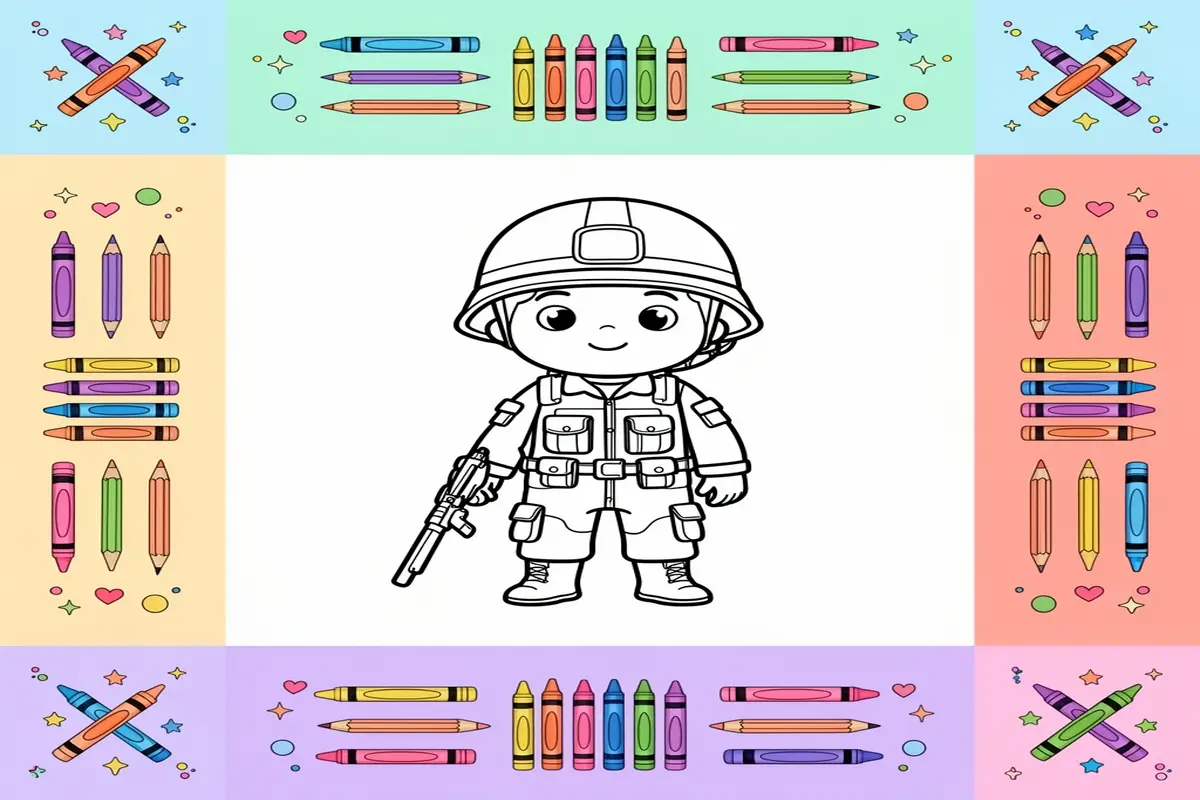
In a world filled with digital noise, the simple act of coloring offers a profound sanctuary for young minds. It’s a tactile, imaginative journey where focus is honed and creativity blossoms. Among the vast universe of themes, from the gentle giants of the sea found in our free whale coloring pages to the majestic creatures of the savanna, there exists a uniquely powerful category: soldier coloring pages for kids. These pages do more than fill time; they serve as a bridge connecting children to concepts of courage, service, and history. Through the careful selection of colors for uniforms, flags, and emblems, kids engage in a quiet act of appreciation and learning. This exploration into soldier coloring pages for kids provides a meaningful canvas for discussing values while developing fine motor skills and artistic confidence, making it a profoundly enriching addition to any creative repertoire.
The Valor in Every Stroke: Understanding the Appeal
Why do images of soldiers, with their distinctive uniforms and proud stances, captivate young artists? The appeal is multifaceted, tapping into a child’s natural curiosity about heroes, structure, and storytelling. Unlike fantastical creatures, a soldier represents a real-world figure of discipline and protection, offering a tangible subject for admiration and inquiry.
The Psychology of Color: Building Focus and Respect
Coloring within the lines of a soldier’s uniform or a detailed medal requires a level of precision and attention that naturally cultivates mindfulness. This focused activity can be incredibly calming, providing a screen-free outlet for energy. As children decide on the appropriate shades for camouflage or the vibrant hues of a flag, they are not just coloring—they are making deliberate choices that reinforce recognition of symbols and uniforms, fostering a subtle understanding of respect and national pride.
A Historical and Cultural Canvas
Soldier coloring pages for kids are not monolithic; they span history and cultures. A page might feature a knight in medieval armor, a revolutionary war patriot, or a modern-day service member. Each offers a springboard for conversation about different eras, technological advancements in gear, and the evolving nature of service. This thematic diversity makes them an excellent, accessible tool for parents and educators to introduce historical contexts and global perspectives in an engaging, hands-on manner.
Curated for Every Young Artist
The beauty of this theme lies in its scalability. Simple outlines of a soldier’s helmet or boots are perfect for small hands just learning to grip a crayon, building confidence with manageable shapes. For older children, more complex scenes featuring detailed vehicles, historical battlefields, or ceremonial events provide a satisfying challenge. This ensures that soldier coloring pages for kids can grow with the artist, continually offering new levels of detail to master and stories to imagine, making them a lasting resource in any creative collection.
Part 2: Essential Materials & Workspace Setup for soldier coloring pages for kids
To achieve the best results with your soldier coloring pages for kids, having the right materials is as important as the creative spirit. A proper toolkit elevates the experience from a simple activity to a rewarding exercise in fine motor skills and color theory. This section details the professional-grade supplies and preparation steps that parents and educators should consider to help children bring their military-themed artwork to life with precision and pride.
The Foundation: Selecting Premium Paper for soldier coloring pages for kids
The paper you choose is the literal battleground for your child’s creativity. Standard printer paper (20-24 lb) is prone to bleeding and warping, especially with wet media. For soldier coloring pages for kids that feature intricate details like uniforms, insignia, and equipment, upgrade to a heavier weight. Look for cardstock or mixed-media paper in the 65-80 lb (100-130 GSM) range. This weight provides a sturdy, non-porous surface that resists bleed-through from markers, allows for smooth blending with colored pencils, and can withstand gentle erasing. For a special project, consider using smooth Bristol board (100+ GSM) for its superior laydown of color and professional finish.
The Arsenal of Color: Markers, Pencils, and Crayons Compared
The choice of coloring medium dramatically affects the final look of your soldier coloring pages for kids. Each tool offers distinct advantages:
Colored Pencils: Ideal for control and detail. Wax-based pencils (like Crayola) are excellent for beginners, while oil-based (like Faber-Castell Polychromos) offer superior blendability for shading uniforms and equipment. They allow for layering colors to create realistic camouflage patterns.
Markers: Provide vibrant, solid blocks of color perfect for flags and uniform bases. Alcohol-based markers (like Copic or Ohuhu) blend seamlessly without streaking but require bleed-proof paper. Water-based markers (like Stabilo or Crayola Super Tips) are more child-friendly and washable, but can cause paper to pill with over-saturation.
Crayons: Offer a classic, textured feel and are excellent for younger children developing grip strength. They encourage broad strokes and are perfect for coloring larger areas like tanks or helicopters. For a related activity that also explores vibrant colors, consider our shark coloring pages free printable kids, which can be tackled with similar media.
Precision Detailing: Gel Pens, Liners, and Highlights
Once the base colors are down, fine details make the artwork pop. This is where specialized tools come into play for soldier coloring pages for kids. Gel pens with metallic ink (silver, gold, bronze) are perfect for adding realistic touches to medals, buttons, and weapon details. Fine-tip pigment liners (0.3mm to 0.5mm) in black or dark grey can be used to redefine outlines that may have been colored over, adding crispness. A white gel pen or a small acrylic paint marker is indispensable for adding highlights to helmets, windows, and other reflective surfaces, creating an immediate sense of depth and dimension.
Creating the Optimal Command Center: Workspace Ergonomics
A proper workspace ensures comfort and focus. Lighting is critical; natural daylight is best, but a bright, white LED desk lamp that eliminates shadows on the page is a strong alternative. Ensure the chair and table height allow the child’s feet to rest flat and their forearms to be parallel to the tabletop. Use a clipboard or a small drafting board to angle the surface slightly, reducing neck strain. Keep supplies organized in cups or trays—having a dedicated place for pencils, markers, and detail pens minimizes distractions and fosters an organized, professional approach to the creative mission.
Part 3: Elevating soldier coloring pages for kids with Pro-Level Techniques
Ready to transform those simple outlines into dynamic, realistic scenes? Moving beyond basic filling, these advanced techniques will help kids (and adults!) add depth, realism, and professional flair to their soldier coloring pages for kids. This section focuses on actionable methods to bring uniforms, equipment, and backgrounds to life. For more foundational practice with detailed subjects, exploring our realistic animal coloring pages can build excellent fine motor skills.
Harmonious Palettes: Strategic Color Theory for Military Scenes
Choosing colors isn’t just about preference; it’s about creating mood and realism. For soldier coloring pages for kids, teach the concept of camouflage palettes using analogous colors (colors next to each other on the wheel, like greens, browns, and tans) to blend a figure into a forest. For contrast, use complementary colors—like a bright orange sunset (opposite blue on the wheel) behind a soldier in green—to make the subject pop. Discuss how uniform colors denote different branches (e.g., army green, navy blue, air force grey), turning coloring into a subtle learning moment about organization and purpose.
From Flat to 3D: Mastering Light and Shadow
Shading is what gives a two-dimensional soldier form and weight. Guide your young artist through this simple process:
1. Identify Your Light Source: Decide where the sun or light is coming from (e.g., top left).
2. Apply Base Color: Color the entire uniform or object with your main, medium-tone color.
3. Add Shadows: Using a slightly darker shade of the same color, apply pressure along the sides opposite the light source (e.g., the right side of the helmet if light is top-left). Focus under the chin, inside folds of fabric, and behind the leg.
4. Highlight: With a lighter shade or by pressing very gently, add highlights on the areas facing* the light (e.g., the top of the helmet, the shoulder). This three-step method instantly creates volume, making your soldier look ready to step off the page.
Adding Realism: Texturing Uniforms and Landscapes
Different materials require different strokes. For a soldier’s rough canvas pack, use small, tight, circular scribbles. For shiny, metallic elements like a helmet or rifle, use long, smooth, directional strokes with a sharp point, leaving a thin white streak for a “glint.” For a cloudy sky in the background, soft, blending strokes with blues and greys work wonders. Creating a jungle or desert backdrop? Our jungle coloring pages offer perfect practice for dense foliage textures that can be incorporated behind a camouflaged figure.
The Art of Correction: Graceful Fixes for Coloring Mistakes
Mistakes are part of the creative process! If color goes outside the lines, don’t panic. Turn it into a texture—a stray green mark on the ground can become a blade of grass. For small, unwanted dark spots, gently lighten them by blending with a white colored pencil or crayon over the top. If a color choice isn’t working, layer a new color over it; sometimes, a dark green can tone down an overly bright tan. The key is to stay flexible and creative, showing kids that in art, as in many things, there’s almost always a way to adapt and improve the final masterpiece.
Showcasing Your soldier coloring pages for kids: Creative Display Ideas
Once your young artist has completed their masterpiece, it’s time to celebrate their work! Moving beyond the coloring book, creative display turns a fun activity into a source of lasting pride and home décor.
Preserving Your Masterpiece: Archival Tips
To ensure those brave soldiers stand the test of time, consider simple preservation methods. For flat displays, use acid-free tape or photo corners in a frame to prevent damage. For a more durable, laminated finish, use a simple sheet protector or take the page to an office supply store for professional lamination. This protects against spills and fading, making the art perfect for the refrigerator gallery or a bedroom wall.
Beyond Display: Creative DIY Projects
Transform completed soldier coloring pages into meaningful gifts and keepsakes. Carefully cut out the colored soldier and glue it onto a folded cardstock to create a unique, heartfelt greeting card for Veterans Day or to thank a family member who served. You can also laminate the page and cut it into strips to make patriotic bookmarks, or decoupage several finished pages onto a wooden box for a special treasure chest. For more creative animal-themed projects, inspire your child with our free dolphin coloring pages.
Your soldier coloring pages for kids Questions Answered
How do you draw a soldier step by step?
Start with basic shapes: an oval for the head, a rectangle for the torso, and lines for limbs. Add a helmet (a half-circle), and define the uniform with pockets, a belt, and boots. Keep it simple for kids, focusing on recognizable features like the stance and gear. Using a soldier coloring pages for kids printable as a reference can be a great guide before they draw their own.
What colors are used for army camouflage?
Traditional army camouflage uses a pattern of greens, browns, tans, and sometimes black. These colors mimic forest and woodland environments. Desert camouflage leans into tans, light browns, and beiges. For kids, encourage them to use greens, browns, and khaki, blending them in irregular blotches rather than straight lines for a more authentic look.
How do you color a realistic soldier?
For realism, use layered coloring. Start with a base color (like olive green for the uniform), then use a darker shade of the same color to add shadows in folds and under equipment. Add small details with a sharp pencil or fine marker, like badges or boot laces. Skin tones can be a mix of light brown, peach, and a touch of pink.
Where can I find free soldier coloring pages?
You can find high-quality, free soldier coloring pages for kids on dedicated educational and activity websites. Sites like Safari Coloring offer a wide variety of thematic pages. Always ensure you are downloading from a reputable source to get age-appropriate, clear outlines that are perfect for printing at home.
What are the benefits of coloring for kids?
Coloring boosts fine motor skills and hand-eye coordination. It fosters creativity, color recognition, and focus. It’s also a fantastic mindfulness activity, providing a calm, screen-free break that builds confidence as children complete their artwork and make creative decisions.
Final Thoughts: Your soldier coloring pages for kids Journey Begins
The journey with soldier coloring pages for kids is about so much more than staying inside the lines. It’s an adventure in creativity, a lesson in respect and history, and a valuable moment of focused calm. Each page completed is a testament to your child’s growing skills and imagination, a colorful salute to bravery that they can hold in their hands. We hope this guide has inspired you with new ideas for coloring, displaying, and exploring.
Ready for your next adventure? Explore our shark coloring pages free printable kids for another thrilling thematic journey!