We offer a wide collection of free, high-quality printable coloring pages for kids and adults. From cute animals to intricate mandalas, our designs bring creativity and relaxation to everyone. Download, print, and start coloring today!

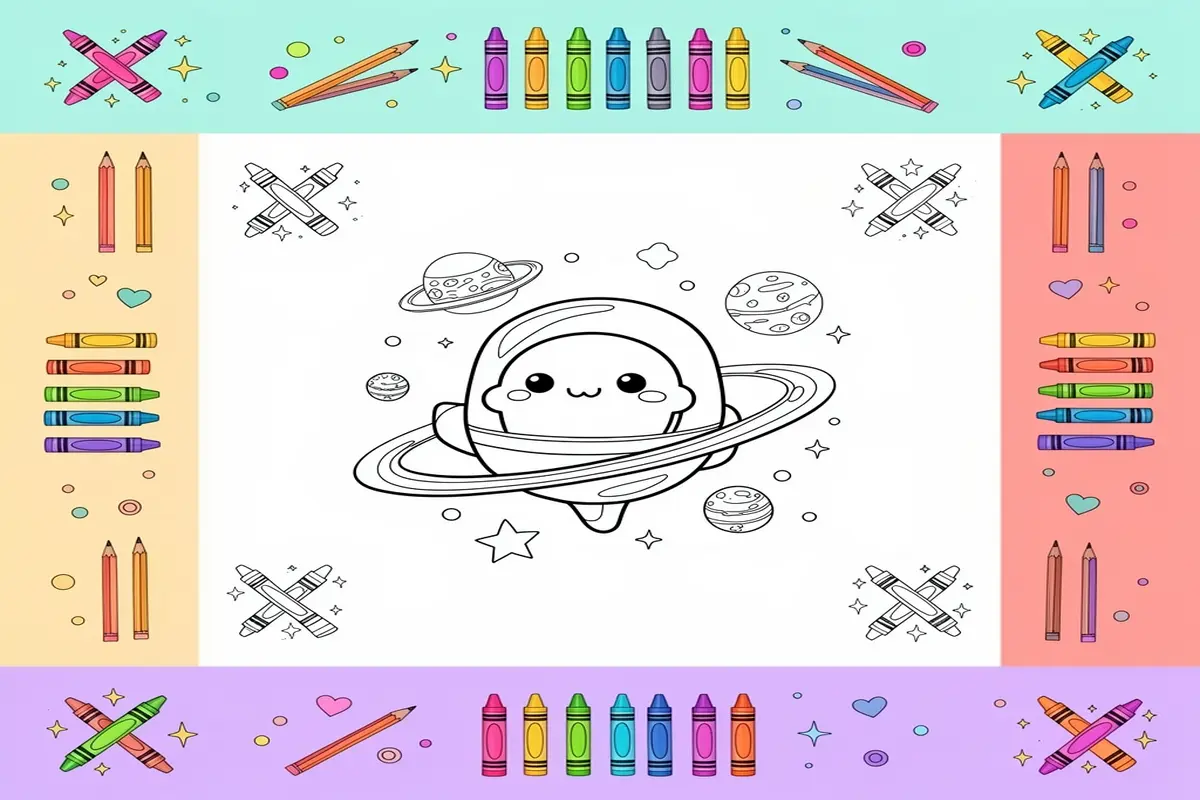
In the quiet moments of focused creation, a child’s imagination can travel farther than any rocket ship. The simple act of coloring has long been a portal to calm and creativity, but when the theme turns to the cosmos, the journey becomes truly extraordinary. space coloring pages for kids offer more than just an artistic pastime; they are a launchpad for curiosity, blending the therapeutic benefits of art with the boundless wonder of the universe. As crayons meet craters and markers color Mars, young minds engage in a form of play that is both calming and intellectually stimulating. This unique combination makes these pages a powerful tool for development and relaxation. For those young artists who also harbor a love for Earth’s majestic creatures, the adventure continues with our collection of Free Whale Coloring Pages, offering another dimension of natural wonder to explore. Ultimately, providing space coloring pages for kids is about gifting them a canvas as infinite as their own potential.
The Cosmic Canvas: Why Space Captivates Young Minds
The Psychology of Wonder: Fueling Curiosity and Calm
The allure of the cosmos is primal. For a child, a space coloring page for kids is not merely a picture to fill in; it’s a mystery to solve and a frontier to claim. Psychologically, this theme taps into deep-seated curiosity about the unknown, transforming a quiet activity into an exploratory mission. The vast, often dark backgrounds of nebulas and star fields provide a soothing, non-restrictive space for color experimentation, reducing the anxiety of “staying within the lines” that simpler shapes might impose. This freedom promotes mindfulness, as the child becomes absorbed in creating their own version of a galaxy, focusing on the present moment—a swirl of purple here, a bright yellow star there. This mindful engagement is a gentle exercise in concentration and emotional regulation, making these pages a subtle tool for mental well-being.
A Legacy of Exploration: From Cave Walls to Cosmic Sketches
Humanity’s urge to depict the heavens is as old as art itself. From ancient star charts painted on cavern ceilings to Renaissance sketches of celestial mechanics, we have always sought to understand and illustrate our place in the cosmos. Modern space coloring pages for kids are a direct descendant of this timeless tradition, democratizing the subject matter for the youngest generation of explorers. They translate the epic narrative of space exploration—the rockets, planets, astronauts, and aliens—into an accessible, personal format. This connection to a grand cultural and scientific legacy adds a layer of richness to the activity, allowing parents and educators to weave in stories of real astronauts, planetary science, and the history of flight as the child colors.
Designed for Every Young Astronaut: From Toddlers to Tweens
The beauty of this theme lies in its scalability. For tiny hands just learning grip, a simple, smiling planet or a large, friendly rocket ship offers the perfect practice ground. As skills develop, more complex scenes await: intricate space shuttles with detailed instrumentation, sprawling solar systems with orbiting moons, or fantastical landscapes of unknown planets. This range ensures that space coloring pages for kids remain engaging for years, growing with the child’s abilities. They are equally perfect for the solo artist seeking quiet time and for collaborative missions where a group colors a massive mural of the Milky Way. Whether a child is a budding scientist, a fantasy lover, or simply an artist in search of a stunning backdrop, the cosmic canvas has something to offer.
Part 2: Essential Materials & Workspace Setup for Stunning Space Coloring Pages for Kids
To transform your space coloring pages for kids from simple outlines into vibrant galactic masterpieces, the right materials and preparation are key. This professional toolkit guide ensures that young artists have everything they need for a successful and enjoyable coloring session, minimizing frustration and maximizing creative potential. Proper preparation also extends the life of their artwork, making it suitable for display or keepsakes.
The Foundation: Selecting Premium Paper for Space Coloring Pages for Kids
The paper choice is the single most important factor in coloring success. Standard printer paper (20-24 lb) is prone to bleeding and warping with most wet mediums. For space coloring pages for kids, which often feature large dark areas and fine celestial details, upgrade to a heavier weight. Look for cardstock (65-80 lb) or dedicated mixed-media paper (90+ GSM). These provide a sturdy, non-porous surface that prevents marker bleed-through, allows for smooth pencil layering, and handles erasing without pilling. For a special project, consider using black paper with metallic gel pens to create a truly authentic starry sky effect, a technique that pairs wonderfully with our detailed solar system coloring pages.
Best Coloring Tools: A Detailed Medium Comparison
Choosing between markers, colored pencils, and crayons depends on the desired outcome and the child’s skill level.
Colored Pencils (Professional Grade): Ideal for detailed work on planets, astronauts, and spacecraft. Wax-based pencils (like Crayola) offer vibrant color and are excellent for beginners. For advanced blending and realistic shading on space coloring pages for kids, invest in oil-based pencils (like Faber-Castell). They provide superior pigment laydown and allow for seamless gradients to depict planetary atmospheres or nebulas.
Markers (Alcohol vs. Water-Based): Alcohol-based markers (like Copic) offer seamless blending and vibrant saturation, perfect for creating deep, cosmic backgrounds. However, they require bleed-proof paper and are a higher investment. Water-based markers (like Stabilo) are more child-friendly and affordable. Use brush tips for sweeping galactic clouds and fine tips for stars and small details.
* Crayons: Their waxy texture is excellent for creating textured effects on planetary surfaces or comets. Layer and scratch for unique, tactile results.
Finishing Touches: Gel Pens, Highlighters, and Blending Tools
Elevate the artwork with specialized tools for celestial details. White and metallic gel pens (silver, gold, neon) are indispensable for adding stars, spacecraft highlights, and lunar craters over dark-colored backgrounds. A good quality white gel pen with high opacity can create stunning constellations. Consider a colorless blender pencil or marker for smoothing pencil gradients. A fine-tip black marker can also be useful for redefining any lines that get lost during heavy coloring.
Creating the Perfect Workspace: Ergonomics and Lighting
A well-prepared environment prevents fatigue and keeps the focus on creativity. Ensure the workspace has bright, natural light or a daylight-simulating lamp to reduce eye strain and allow for accurate color perception. The chair and table should be ergonomically sized so the child’s feet rest flat and their forearms are parallel to the tabletop. Protect the work surface with a large craft mat or newspaper. Organize materials within easy reach using cups for pencils and markers, and keep a soft cloth for wiping hands and a dedicated eraser handy. This structured setup turns coloring time into a focused, professional artistic activity.
Mastering Space Coloring Pages for Kids: Advanced Techniques for Stellar Art
Ready to transform your child’s space coloring pages for kids from simple outlines into breathtaking cosmic scenes? This guide moves beyond basic filling to introduce professional techniques that build artistic confidence and create truly impressive results. These methods are perfect for older kids ready for a challenge or parents and teachers looking to guide young artists to the next level.
Harmonious Palets: Color Theory for Galactic Scenes
Understanding basic color theory can turn a random selection of hues into a cohesive masterpiece. For space coloring pages for kids, start with analogous colors (colors next to each other on the wheel) for beautiful, realistic nebulas—think blues, purples, and magentas blending smoothly. Use complementary colors (opposites on the wheel) for dynamic contrast, like placing a bright orange rocket against a deep blue starfield. Encourage planning a “color story” before starting: will the scene be cool and mysterious or vibrant and energetic? For more structured color practice, our color by number coloring pages offer a fantastic starting point.
From Flat to 3D: Shading for Cosmic Depth
Shading is the magic that adds dimension. Teach kids to imagine a light source (like a sun) in their scene. The sides of planets, asteroids, or rockets facing away from that light should be darker. Start with a base color, then apply gentle pressure to add a medium tone in shadow areas, and finally use firm pressure for the deepest shadows. Use a circular stroke to shade round planets, making the transition smooth. For craters on a moon, shade the inner wall opposite the light source to make it look hollow. This technique also works wonders for adding realism to the animals in our realistic animal coloring pages.
Adding Realism: Texturing Stars, Planets, and Nebulas
Texture brings a scene to life. For a gritty, rocky asteroid, use small, sharp dots and jagged scribbles with a sharp colored pencil. To create the swirling gas of a nebula, layer colors lightly and use a blending tool (or a cotton swab) to softly smudge them together. For shiny metal on a spaceship, leave thin, white streaks uncolored as “highlights” and use very smooth, even shading around them. Stippling (making countless tiny dots) is perfect for rendering the dense, sandy surface of Mars or the speckled appearance of a starry sky.
The Art of Correction: Gracefully Fixing Coloring Errors
Mistakes are part of the process! If color goes outside the lines, don’t panic. Often, the black space background can be used to cover small slips—simply color over the error with a rich black. For a smudge, try using a white eraser or even a touch of white colored pencil or gel pen to redefine the edge. If a color turns out too dark, layering a lighter color on top can sometimes modify it (yellow over dark green can create a lighter lime, for example). The key is to stay creative and treat every “oops” as an opportunity to problem-solve, building resilience alongside artistic skill.
Showcasing Your space coloring pages for kids: Creative Display Ideas
Once the final star is colored, the adventure doesn’t have to end! Transforming completed pages into cherished decor or heartfelt gifts adds another layer of creativity to the experience. These display ideas celebrate your child’s artistic journey and make their cosmic creations a part of your daily life.
Preserving Your Masterpiece: Archival Tips
To ensure those vibrant rockets and swirling galaxies last, a little protection goes a long way. For pages you plan to display, consider using acid-free sheet protectors in a binder or having them laminated at a local print shop. This guards against fading and smudging. For a more polished gallery look, mount the artwork on colorful cardstock using double-sided tape before placing it in a simple frame. This method beautifully highlights the artwork and makes it easy to rotate new masterpieces.
Beyond Display: Creative DIY Projects
Turn colored pages into personalized treasures! Cut out the best planets or astronauts to create unique greeting cards, bookmarks, or gift tags. For a larger project, decoupage several pages onto a plain storage box or a canvas tote bag, creating a one-of-a-kind space-themed carrier. These projects not only give the artwork a second life but also make wonderful, handmade gifts for family members, instilling a sense of pride and accomplishment in your young artist.
Your space coloring pages for kids Questions Answered
Where can I find free space coloring pages?
You can find a fantastic collection of free, printable space coloring pages for kids right here on our site! We offer everything from friendly aliens to detailed solar systems. Simply browse our outer space coloring pages category, select your favorite designs, and download them instantly for hours of creative fun.
What are the benefits of coloring for children?
Coloring boosts fine motor skills, hand-eye coordination, and concentration. It’s a calming activity that reduces stress and provides a healthy emotional outlet. For topics like space, it also serves as a fun, engaging introduction to science, fostering curiosity and knowledge about planets, stars, and space exploration.
How do you color a galaxy with colored pencils?
Start with a dark background using blacks and deep purples. Layer on rich blues and magentas, blending with a light touch. Add clusters of tiny white or yellow dots for stars. For nebula clouds, use gentle, circular motions with lighter pinks, blues, and teals, blending colors where they meet to create a soft, ethereal effect.
What are the true colors of the planets?
Mercury is gray, Venus is yellowish-white, and Earth is blue with white clouds and green/brown land. Mars is reddish-brown, Jupiter features orange, white, and brown bands, and Saturn is pale gold with subtle bands. Uranus is a pale cyan, and Neptune is a vivid blue. Using these true colors can make your space coloring pages for kids both beautiful and educational.
How do I print coloring pages for free?
Printing is easy! After downloading your chosen space coloring pages for kids as a PDF or image file, open it on your computer. Select “Print” and ensure your printer has paper. For best results, choose “Best” or “High Quality” in your printer settings. Use standard printer paper for practice or cardstock for a sturdier page that handles markers better.
Final Thoughts: Your space coloring pages for kids Journey Begins
Embarking on a coloring adventure through the cosmos offers so much more than just a quiet activity. It’s a launchpad for imagination, a peaceful moment of focus, and a joyful way to learn about the incredible universe around us. Each page completed is a celebration of your child’s creativity and a tangible memory of their growing skills.
We hope these ideas for displaying artwork and answering common questions have inspired you to see every finished page as a new beginning. The benefits of this simple hobby—from skill development to family bonding—are as vast as space itself. So keep those colored pencils sharp and your curiosity brighter than any star.
Ready for your next adventure? Explore our solar system coloring pages for an even deeper dive into planetary fun!