We offer a wide collection of free, high-quality printable coloring pages for kids and adults. From cute animals to intricate mandalas, our designs bring creativity and relaxation to everyone. Download, print, and start coloring today!

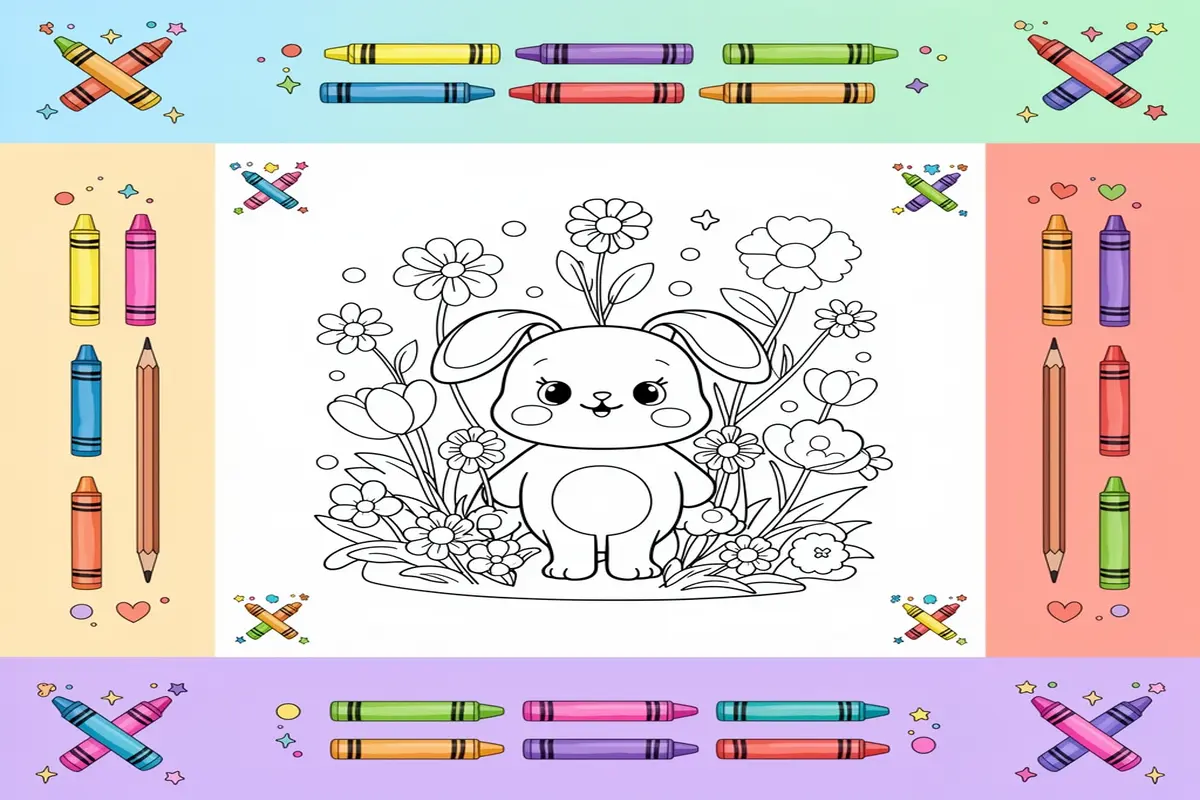
As the frost recedes and the first green shoots push through the earth, a familiar sense of renewal fills the air. This seasonal transformation offers a perfect metaphor for the blossoming creativity within every child. Spring coloring pages for kids capture this magic, transforming a simple activity into a vibrant exploration of growth, color, and imagination. Far more than just a way to pass the time, these themed pages serve as a gateway for young minds to connect with the rhythms of nature, from budding flowers and gentle rain showers to playful baby animals emerging from their dens. Engaging with spring coloring pages for kids fosters not only artistic expression but also a mindful appreciation for the world waking up around them. It’s a hands-on celebration of the season’s joy, ideal for rainy afternoons, sunny porch sessions, or classroom activities. If your young artist also delights in creatures of the deep, our collection of free dolphin coloring pages offers another wonderful aquatic adventure.
The Psychology & Seasonal Appeal: More Than Just Petals on a Page
Why does the simple act of coloring a spring scene hold such profound appeal for children? The answer lies at the intersection of developmental psychology and the innate human connection to seasonal cycles. These pages do more than occupy little hands; they engage growing minds in a multisensory experience of the most hopeful time of year.
The Palette of Renewal: Color Psychology and Emotional Growth
The very colors associated with spring—soft pastels, vibrant greens, sunny yellows, and sky blues—are psychologically linked to feelings of happiness, calm, energy, and hope. When a child selects a lavender for a hyacinth or a bright pink for a cherry blossom, they are not just filling space. They are making emotional choices, learning to associate color with mood and outcome. This process can be incredibly soothing, offering a focused, meditative break that reduces anxiety and builds concentration, turning spring coloring pages for kids into a tool for emotional regulation and joyful expression.
A Tapestry of Traditions: The Cultural Roots of Seasonal Art
The depiction of spring is one of humanity’s oldest artistic traditions, symbolizing rebirth and new beginnings across cultures and centuries. From ancient festivals celebrating the equinox to classical paintings of idyllic landscapes, the themes found in modern spring coloring pages for kids are part of this rich legacy. They introduce children, in an accessible way, to universal symbols: the egg for new life, the rabbit for fertility, the seedling for potential. Coloring a spring scene becomes a subtle, engaging lesson in cultural history and our shared human connection to the natural world’s cycles.
Designed for Blossoming Artists: Inclusivity Across Skill Levels
The beauty of these resources lies in their versatility. Whether your child is a toddler just learning to hold a crayon or a school-aged artist refining fine motor skills, spring-themed pages offer something for everyone. Simple, bold outlines of a smiling sun or a basic flower are perfect for beginners, building confidence with each stroke. More intricate scenes of garden ecosystems or detailed animal families challenge older children, encouraging patience and attention to detail. This inclusive range ensures that every child can participate in the seasonal celebration, experiencing the pride of creating their own masterpiece that reflects the world bursting into life outside their window.
Professional Materials & Preparation for spring coloring pages for kids
To ensure a successful and enjoyable coloring session, having the right materials and a prepared workspace is key. This guide outlines the essential tools and setup tips to help children get the most out of their spring coloring pages for kids, transforming a simple activity into a rich, creative experience that captures the vibrant essence of the season.
The Foundation: Selecting Premium Paper for spring coloring pages for kids
The paper you choose directly impacts the final artwork. For standard printing of spring coloring pages for kids, a bright white, smooth paper with a weight of 100-120 GSM (grams per square meter) is ideal. This weight prevents bleed-through from markers and provides a sturdy surface for layering colored pencils. For a more artistic project, consider cardstock (160-200 GSM) or even mixed-media paper, which allows for wet mediums like watercolor. If your chosen designs feature intricate details, such as those found in our flower coloring pages for kids, a smoother finish will allow for greater precision and cleaner lines.
Best Coloring Tools: A Detailed Medium Comparison
The choice between markers, pencils, and crayons defines the artwork’s texture and vibrancy.
Colored Pencils: Opt for artist-grade pencils with soft, pigmented cores for superior blendability. They are perfect for detailed work, shading petals on flowers, or creating gradient skies. A set of 24-48 colors offers ample range for spring’s diverse palette.
Markers: Alcohol-based markers provide seamless, bleed-free blends and vibrant saturation, excellent for large areas like grassy fields. For younger children, high-quality water-based markers are a safer, less messy option. Always test markers on a corner to check for bleed-through.
* Crayons & Gel Sticks: Modern gel crayons offer intense color with minimal pressure, great for younger hands. They can be layered and provide a different, waxier texture that is excellent for creating bold, expressive spring scenes.
Finishing Touches: Enhancing Details with Specialty Tools
Elevate the artwork from simple to stunning with a few specialized tools. Fine-line pigment ink pens (size 0.3 or 0.5) are indispensable for redefining outlines or adding intricate patterns to butterfly wings. Metallic or opaque white gel pens are perfect for adding highlights to raindrops, dewdrops on blossoms, or creating sparkling sunbeams. A quality pencil sharpener keeps colored pencil points fine for detail work, and a clean, soft-bristled brush is useful for sweeping away pencil debris without smudging the spring coloring pages for kids.
Perfect Workspace: Optimizing Lighting and Ergonomics
A well-prepared environment fosters focus and creativity. Ensure the workspace is flooded with natural light or supplemented by a bright, white LED desk lamp to reduce eye strain and reveal true colors. The seating should support good posture; feet should rest flat on the floor or a stool, with the table at elbow height. Use a clipboard or a firm backing board to secure the paper, providing a stable, portable surface. Keep all materials—pencils sorted by color, markers capped when not in use—within easy reach on a tidy desk to minimize distractions and maintain a smooth workflow for completing their spring coloring pages for kids.
Part 3: Elevating Your Art: Advanced Techniques for Spring Coloring Pages for Kids
Ready to transform those beautiful spring coloring pages for kids from simple fill-ins into stunning works of art? This guide moves beyond basic crayon strokes to introduce techniques that will add depth, realism, and a professional touch. Whether you’re a parent guiding a young artist or a teacher enriching an art lesson, these methods will unlock new creative potential.
Harmonious Palettes: Color Theory for Spring Scenes
Understanding basic color theory can make your spring scenes truly sing. For a harmonious look, use analogous colors—those next to each other on the color wheel. Think of a gentle gradient in a sunset sky or a field of flowers blending from yellow to orange. For vibrant, eye-catching contrast, use complementary colors. A purple crocus against a green stem or a bright blue butterfly on a warm orange flower makes elements pop. When coloring a serene spring landscape, analogous greens and blues create calm, while a complementary red ladybug on a leaf adds a delightful focal point.
From Flat to 3D: Mastering Light and Shadow
Shading is the magic that turns a flat circle into a spherical flower bud. First, imagine a light source (like the sun) in your picture. The side closest to the light is lightest; the opposite side is darkest. Start by coloring an object with your base color lightly and evenly. Then, apply gradual pressure to add a darker layer on the shadowed side. Use a white colored pencil or leave the paper bare for the brightest highlight. For a fluffy baby animal on a farm scene, like those found in our farm animal coloring pages, use soft, circular shading to give its fur a soft, rounded appearance.
Adding Realism: Texture Techniques for Spring Elements
Texture brings a page to life. For fur or feathers on spring chicks or bunnies, use quick, short, overlapping strokes in the direction the hair grows. For rough tree bark, try a back-and-forth scribbling motion with a brown pencil, varying your pressure. To create a soft, fluffy cloud or dandelion puff, use tiny circular motions with a very light touch. Smooth, shiny surfaces like a rain puddle or a ladybug’s shell are best rendered with solid, even color and a sharp white highlight. Exploring different textures, like the intricate patterns on butterfly coloring pages, is perfect for practicing these skills.
The Art of Correction: Gracefully Fixing Coloring Mistakes
Even professional artists make “happy accidents,” but knowing how to fix errors builds confidence. For small slips outside the lines, a white gel pen can be a savior for covering stray marks. If an area becomes too dark or muddy, gently lift color using a kneaded eraser by dabbing (not rubbing). To blend an unwanted harsh line, use a lighter color or a colorless blender pencil to soften the edge. Remember, many mistakes can be incorporated creatively—a dark smudge can become a pebble on the path or a leaf in the grass. The key is to stay patient and see every mark as part of the artistic journey.
Showcasing Your Spring Coloring Pages for Kids: Creative Display Ideas
The fun doesn’t end when the last crayon is down! Turning your child’s spring coloring pages for kids into a gallery or craft project extends the joy and boosts their confidence. Here are inspiring ways to celebrate their blossoming artwork.
Preserving Your Masterpiece: Archival Tips
Protect those vibrant creations from fading. For long-term keepsakes, consider using acid-free paper when printing. A simple, clear fixative spray can prevent wax crayon smudging. For a polished look, press the finished page in a heavy book for a day before framing it behind UV-protective glass. This care shows your child their work is valued and worth keeping for seasons to come.
Beyond Display: Creative DIY Projects
Transform colored pages into cherished items. Laminate them to make custom placemats, bookmarks, or gift tags. Cut out beautifully colored flowers or butterflies to create unique greeting cards for grandparents. You can even decoupage several pages onto a small storage box or picture frame, creating a beautiful, personalized keepsake that celebrates their springtime creativity and makes a wonderful gift.
Your Spring Coloring Pages for Kids Questions Answered
What are the benefits of coloring for child development?
Coloring enhances fine motor skills and hand-eye coordination as children grip crayons and work within lines. It fosters creativity and color recognition while also serving as a calming, focused activity that can improve concentration and provide a sense of accomplishment, making it a wonderful developmental tool.
How to print coloring pages from the internet?
For the best results, download the PDF or image file to your computer. Open it and select “Print.” In your printer settings, choose “Best” or “High Quality” for print resolution. Use standard letter-sized (8.5″x11″) paper. For durability with markers, consider slightly heavier paper, which brings us to the next question.
What is the best paper for coloring pages?
For crayons and colored pencils, standard printer paper is fine. If using markers, especially washable ones, upgrade to cardstock (around 65-80 lb weight) to prevent bleed-through. For a special treat with any medium, textured mixed-media paper can make your spring coloring pages for kids feel extra artistic.
What are popular spring coloring themes?
Classic themes include blooming flowers (tulips, daffodils), gentle spring rain with umbrellas and rainbows, baby animals like chicks and bunnies, and active garden scenes with insects. Easter motifs and outdoor fun like flying kites are also perennial favorites for spring coloring pages for kids.
How to teach a child to color inside the lines?
Start with larger, simpler shapes and use broken crayons or short pencils that promote a proper grip. Demonstrate slow, controlled strokes yourself. Encourage them to turn the paper, not their hand, to navigate corners. Most importantly, praise the effort and vibrant colors, not perfection, to keep it joyful.
Final Thoughts: Your Spring Coloring Pages for Kids Journey Begins
Embracing spring coloring pages for kids is about more than just keeping little hands busy. It’s a gateway to nurturing creativity, celebrating the vibrant renewal of the season, and creating tangible memories of your child’s growth. Each finished page is a burst of springtime joy and a testament to their developing skills. We hope these ideas for display, craft, and learning enrich your family’s creative time.
Ready for your next adventure? Explore our garden coloring pages for kids to continue the blooming fun!