We offer a wide collection of free, high-quality printable coloring pages for kids and adults. From cute animals to intricate mandalas, our designs bring creativity and relaxation to everyone. Download, print, and start coloring today!

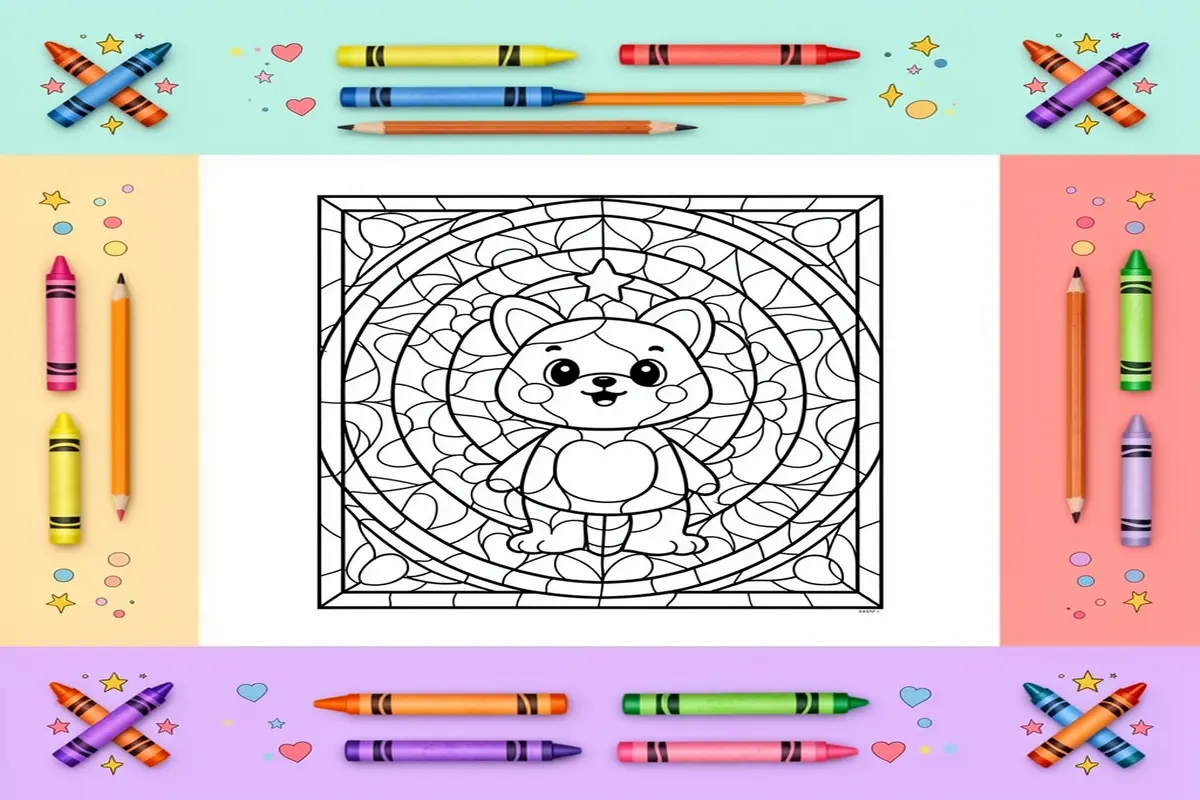
Imagine the quiet focus of a child, completely absorbed in a world of color and light. Their small hands, armed with crayons or markers, are not just filling shapes—they are breathing life into intricate patterns, creating their own radiant masterpieces. This is the unique magic of stained glass coloring pages for kids, an artistic activity that transcends simple play. By blending the timeless beauty of cathedral windows with the accessible joy of coloring, these pages offer a gateway to creativity, fine motor skill development, and mindful calm. Unlike standard coloring sheets, stained glass designs with their bold lead lines and segmented spaces teach children about composition, color theory, and the stunning effects of contrast. As they select a vibrant blue for a celestial angel or a fiery red for a majestic rose window, they engage in a creative process that feels both ancient and wonderfully new. For a different but equally captivating aquatic adventure, explore our collection of free dolphin coloring pages. The journey with stained glass coloring pages for kids is one of discovery, where every finished piece becomes a personal suncatcher, a testament to patience and artistic vision.
Part 1: The Psychology & Timeless Appeal of Illuminated Art
The Mindful Glow: Focus, Calm, and Creative Flow
At its core, the act of coloring within the distinct, guiding lines of a stained glass template is a profoundly mindful exercise. For a child, it demands a gentle focus that naturally quietens the chatter of a busy mind. This focused engagement can reduce anxiety and foster a state of flow, where time seems to melt away. The psychological benefit is twofold: the structure provided by the “leading” reduces the intimidation of a blank page, offering a safe framework for expression, while the choice of colors becomes a powerful tool for emotional exploration and regulation. Completing a complex stained glass coloring page for kids builds immense pride and a tangible sense of accomplishment, boosting confidence and reinforcing the joy of seeing a detailed project through to its brilliant conclusion.
From Cathedrals to Coloring Books: A Rich Historical Tapestry
While modern children may encounter them on paper, the designs they are bringing to life are steeped in centuries of cultural and artistic heritage. The tradition of stained glass windows served as a “poor man’s Bible,” illuminating sacred stories with streams of colored light for entire communities. By introducing children to these motifs—be it a graceful fleur-de-lis, a mythical creature, or a geometric mandala—we connect them to a global history of art and storytelling. This context transforms a simple activity into a cultural conversation, allowing parents and educators to share snippets of history, architecture, and symbolism as little artists work. It’s a beautiful way to make art history accessible and engaging.
A Universally Designed Creative Portal
One of the greatest strengths of stained glass coloring pages for kids is their inherent scalability. For younger children or beginners, simpler designs with larger segments allow for success and enjoyment without frustration. For older kids, teens, or even adults seeking a shared activity, incredibly intricate patterns offer a satisfying challenge that hones precision and patience. This versatility makes them perfect for diverse settings: a quiet afternoon at home, a collaborative classroom project, or a therapeutic tool in various care settings. They are truly curated for every skill level, proving that the allure of creating with light and color knows no age limit.
Part 2: Essential Materials & Preparation for Stained Glass Coloring Pages for Kids
To transform your stained glass coloring pages for kids from a simple activity into a vibrant, gallery-worthy project, the right materials and setup are crucial. Proper preparation not only enhances the final result but also makes the coloring process more enjoyable and successful for young artists. This section details the professional-grade supplies and environmental considerations that will allow the intricate designs to truly shine.
The Foundation: Choosing Paper for Stained Glass Coloring Pages
The paper you select is the single most important factor in achieving a brilliant stained glass effect. Standard printer paper is too thin and will bleed, buckle, or tear under the pressure of heavy coloring. For optimal results, use a bright white, smooth cardstock with a weight of 120-160 GSM. This heavier weight provides a stable, non-porous surface that allows colors to sit brightly on top, mimicking the luminosity of real glass. For a truly authentic experience, consider printing your chosen designs on transparency film or vellum paper. When colored on the rough side and displayed on a window, light will pass through, creating a genuine stained glass window effect that children find magical. This careful selection ensures your stained glass coloring pages for kids become lasting works of art.
Best Coloring Tools: Markers vs. Pencils for Vibrancy
The choice between markers and colored pencils defines the final look of your project. For the most vibrant, true-to-stained-glass results, alcohol-based markers are the professional’s choice. Their blendable, bleed-resistant ink delivers rich, even layers of color that are essential for covering larger “panes” of the design. Look for sets with a wide spectrum of bright, jewel-toned colors. For more control and a softer, textured finish, high-quality wax-based colored pencils are excellent. They allow for detailed shading within small sections and are less prone to mistakes. A hybrid approach often yields the best outcome: use markers for large areas of flat color and employ colored pencils for adding depth, texture, and detailed patterns on top. This technique maximizes the potential of every stained glass coloring page for kids.
Finishing Touches: Gel Pens & Metallic Highlights
The defining characteristic of real stained glass is the leading—the dark lines that separate the colored glass. After coloring, using a black fine-tip marker (0.5mm or smaller) or a gel pen to carefully redefine these lines adds incredible depth and crispness, making the colors “pop.” To elevate the project further, introduce metallic gel pens in silver or gold. These are perfect for adding shimmering details, creating the illusion of beveled glass, or tracing around key design elements. This step allows children to add their own creative flair and brings an extra dimension of light and luxury to their artwork, closely mimicking the reflective quality of actual glass.
Perfect Workspace: Lighting & Ergonomics for Focus
A well-prepared workspace is key to a successful and enjoyable coloring session. Prioritize natural light if possible, as it shows colors most accurately and reduces eye strain. Supplement with a bright, white LED desk lamp for evening sessions or darker rooms. Ensure the seating is comfortable and the table is at an appropriate height to encourage good posture. Keep supplies organized in cups or trays—this not only minimizes spills but also empowers children to make independent creative choices. Having a test sheet of the same paper nearby allows kids to experiment with color combinations before applying them to their main masterpiece. For a wonderful thematic pairing that complements the intricate patterns of stained glass art, consider exploring our collection of mandala coloring pages for kids, which offer similarly detailed and satisfying artistic exploration.
Part 3: Transforming Light and Color: Advanced Techniques for Stained Glass Coloring Pages for Kids
To elevate your child’s artwork from simple coloring to a radiant masterpiece, a few advanced techniques can make all the difference. This section will guide you through professional methods specifically tailored for stained glass coloring pages for kids, helping young artists create the illusion of glowing glass. For a fantastic foundation in color work, explore our collection of mandala coloring pages for kids, which are perfect for practicing color patterns.
Harmonious Palettes: Color Theory for Stained Glass Art
Understanding basic color relationships is the secret to making a stained glass design pop. Teach your child about complementary colors (colors opposite each other on the color wheel, like blue and orange or purple and yellow). Using these side-by-side in different sections creates vibrant, high-contrast energy. For a more serene, cohesive look, suggest analogous colors (colors next to each other, like blue, teal, and green). This technique is excellent for creating a unified theme, such as an ocean scene, which you can practice with our ocean coloring pages. Encourage planning by lightly sketching color choices in the margins before committing.
From Flat to Glowing: Shading for Dimension
The magic of real stained glass is its variation in light and dark. Kids can achieve this by learning simple shading. Start by choosing a light source direction (e.g., the top corner of the page). Then, using a single color, apply heavy pressure on the side of a section away from the light and light, feathery strokes on the side closest to the light. The goal is a gradient within each “pane” of glass. Using a white colored pencil or crayon to add a tiny highlight on the “lit” edge can make the glass look rounded and reflective.
Adding Realism: Creating Glassy Textures
Texture brings the “glass” to life. For a smooth, glossy finish, encourage kids to color evenly and densely with wax crayons or colored pencils, then gently blend with a tissue or their finger. To mimic the leaded came (the black lines), ensure they are bold and uninterrupted. A fine-tip black marker can help define these lines after coloring. For a more advanced “bubbly” or “wavy” glass texture, they can lightly draw small, irregular circles or lines within a colored section and color around them slightly darker, leaving those spots as lighter imperfections.
The Art of Correction: Graceful Fixes for Coloring Errors
Mistakes are part of the creative process! If color goes outside the lines, don’t panic. Often, simply thickening the black “lead” line with a marker can cover the stray mark. For small errors in the middle of a section, incorporate them: turn an accidental dot into a tiny bubble or jewel in the glass. If using colored pencils, gentle erasing can lighten a color that’s too dark, and it can then be layered over with the correct hue. The key is to stay flexible and creative—sometimes the best effects come from happy accidents.
Showcasing Your Stained Glass Coloring Pages for Kids: Creative Display Ideas
Once your child’s masterpiece is complete, it’s time to let it shine! Moving beyond the coloring book, these vibrant creations deserve to be celebrated and displayed. With a few simple touches, you can transform their artwork into beautiful home décor or heartfelt gifts.
Preserving Your Masterpiece: Archival Tips
To ensure your stained glass art lasts, proper preservation is key. If using markers, allow the ink to dry completely to prevent smudging. For a professional finish, consider spraying the finished page with a clear, acid-free sealant or fixative. This protects the colors from fading and makes the paper more durable. Store flat pages in a portfolio or between sheets of parchment paper in a cool, dry place to keep them looking brilliant for years to come.
Beyond Display: Creative DIY Projects
Turn a single coloring page into multiple crafts! Cut out the colored shapes to create unique greeting cards, festive gift tags, or decorative bookmarks laminated for strength. For a collaborative project, have a group of kids color individual pages from a themed set, like our beautiful Flower Coloring Pages for Kids, and assemble them into a stunning mosaic or a decorative banner for their classroom or playroom.
Your Stained Glass Art Questions Answered
How do you make a coloring page look like stained glass?
The key is bold, solid coloring and defined “leading.” Use a black marker to carefully trace all the outline areas on your page. Then, fill each section with vibrant, solid colors using markers or gel pens, avoiding any shading. The high-contrast between the dark lines and bright colors creates the iconic stained glass coloring pages for kids effect.
What markers are best for stained glass coloring?
Alcohol-based markers (like Copic or Sharpie) are ideal as they provide vibrant, bleed-free color on most paper. For younger children, high-quality washable markers or gel pens are excellent, safer choices. Always test your markers on a corner first to ensure they don’t bleed through the paper excessively.
How to make a suncatcher out of a coloring page?
After coloring, carefully cut out the design. Then, use a sponge brush to coat the back of the page with a thin layer of white glue or Mod Podge. Press it onto a sheet of clear contact paper or self-laminating pouch. Once dry, trim the excess plastic and use double-sided tape to stick it to a sunny window.
What kind of paper is best for stained glass coloring pages?
Heavier paper is essential. Cardstock (65-110 lb) is perfect as it withstands bold markers without warping or bleeding through. For suncatcher projects, standard printer paper can work if you’re using crayons or colored pencils, but cardstock will always yield a more durable and vibrant result.
How do you use baby oil to make paper transparent?
This is a popular technique for a faux stained glass look. After coloring a page heavily with wax crayons, gently rub a small amount of baby oil on the back using a cotton ball. The oil saturates the paper, making it translucent and allowing light to pass through. Let it dry fully before displaying in a window.
Final Thoughts: Your Stained Glass Coloring Journey Begins
The journey with stained glass coloring pages for kids is about so much more than staying inside the lines. It’s a creative adventure that builds fine motor skills, teaches color theory, and results in a tangible piece of art your child can be proud of. From the focused quiet of coloring to the joy of seeing their work displayed in the sunlight, every step is filled with accomplishment and wonder.
We hope these ideas inspire you to create, display, and cherish these colorful projects. Remember, the goal is creative expression and joyful time spent together. Ready for your next adventure? Explore our Ocean Coloring Pages for a whole new underwater world to bring to life in brilliant color!