We offer a wide collection of free, high-quality printable coloring pages for kids and adults. From cute animals to intricate mandalas, our designs bring creativity and relaxation to everyone. Download, print, and start coloring today!

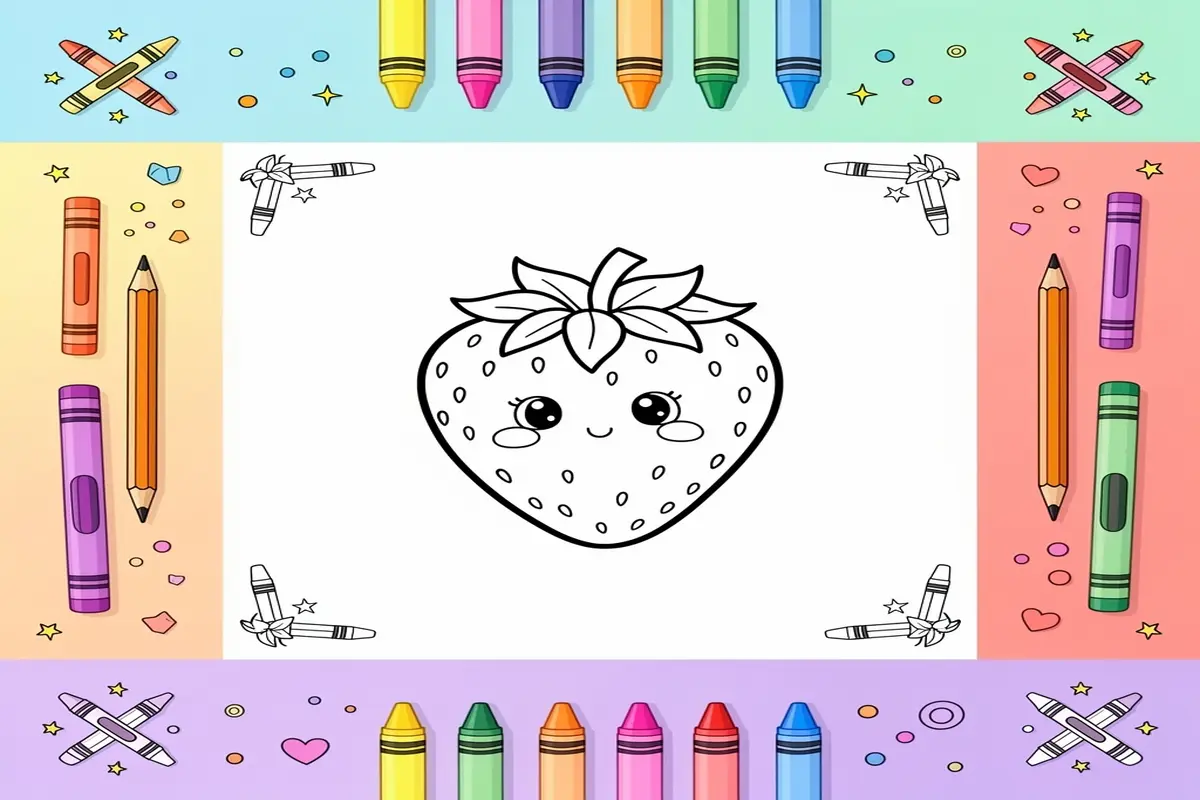
In a world saturated with digital screens, the simple act of coloring offers a profound return to tactile, imaginative play. It’s a quiet space where focus blossoms and creativity takes root, free from the pressures of perfection. Among the myriad themes available, strawberry coloring pages for kids hold a unique and delightful charm. These vibrant, heart-shaped fruits are more than just a subject to color; they are a sensory invitation. The familiar, cheerful form of a strawberry connects children to the natural world, sparking curiosity about gardens, seasons, and healthy foods. This makes exploring strawberry coloring pages for kids not only an artistic endeavor but also a subtle, engaging learning opportunity. Whether as a standalone activity or paired with themes from our collection of fruit coloring pages for kids, these pages promise a juicy burst of creative fun.
The Ruby Red Appeal: Psychology & Timeless Joy
Why does the humble strawberry captivate a child’s imagination so completely? The answer lies in a blend of psychology, symbolism, and pure aesthetic pleasure. These pages are far more than outlines on paper; they are tools for development and joy.
The Psychology of Sweet Success: Building Confidence with Every Stroke
Coloring within—or delightfully outside—the lines of a strawberry design offers a tangible sense of accomplishment. The recognizable shape provides a safe framework for young artists, reducing anxiety about “getting it right.” As children make decisions—Is my strawberry classic red, or will it be a fantastical blue? Are the seeds yellow or green?—they exercise autonomy and problem-solving skills. Completing a strawberry coloring pages for kids project delivers a boost of confidence, reinforcing the joy of creation and encouraging them to tackle more complex artistic challenges.
From Wild Vines to Coloring Lines: A Fruit Steeped in Story
The strawberry carries a rich heritage of symbolism, often representing sweetness, purity, and summer abundance. Introducing children to strawberry coloring pages for kids opens a door to gentle conversations about where food comes from, the cycle of growth, and even classic tales or poems featuring this beloved berry. This historical and cultural context adds depth to the activity, transforming it from simple pastime to a springboard for storytelling and discovery, much like exploring the majestic creatures in our safari coloring pages for kids.
A Spectrum for Every Artist: From Toddler to Tweens
The true genius of strawberry coloring pages for kids lies in their universal appeal. For the youngest toddlers, large, simple strawberry outlines with bold sections are perfect for practicing grip and color recognition. Preschoolers can enjoy pages featuring smiling strawberry characters or berries in a basket, which nurture narrative thinking. Older children and even tweens can be challenged with intricate, patterned strawberry mandalas or realistic botanical illustrations that demand finer motor control and shading techniques. This inherent scalability ensures that the humble strawberry provides a rewarding creative experience for every skill level.
Professional Materials & Preparation for strawberry coloring pages for kids
To transform your strawberry coloring pages for kids from a simple activity into a rich, educational, and skill-building experience, the right materials and setup are crucial. Proper preparation not only enhances the final artwork but also fosters a child’s focus and enjoyment. This guide details the essential toolkit and environmental considerations for optimal results with every printable page.
The Foundation: Selecting Premium Paper for strawberry coloring pages for kids
The paper you choose is the single most important factor in coloring success. For standard strawberry coloring pages for kids, we recommend a bright white, smooth cardstock between 120-160 GSM (grams per square meter). This weight prevents bleed-through from markers, handles layered pencil work without tearing, and provides a satisfyingly substantial feel. For advanced techniques like blending with water-based markers or light watercolor washes, opt for a mixed-media or marker paper specifically designed to control ink spread. A smooth surface is ideal for crisp lines and fine details, allowing children to color within the intricate seeds and stem outlines of a strawberry illustration. Always have a stack of scrap paper to place underneath the coloring page to protect your work surface.
Best Coloring Tools: A Detailed Medium Comparison
The choice between coloring mediums dramatically affects the outcome and skill development.
Colored Pencils: Ideal for developing fine motor control and patience. Wax-based pencils (e.g., Crayola) offer smooth application and are perfect for beginners. For more advanced strawberry coloring pages for kids, consider oil-based pencils (e.g., Faber-Castell) which allow for superior blending and layering to create realistic gradients from the strawberry’s bright red body to its highlighted sheen. They encourage learning pressure variation.
Markers: Provide vibrant, saturated color that appeals to children. Alcohol-based markers (like Copic or Ohuhu) offer seamless blending for a professional look but can bleed through paper. Water-based markers (e.g., Crayola Super Tips) are more child-friendly and budget-conscious. Use markers for bold, graphic strawberry designs. For a fun thematic extension, consider pairing this activity with our fruit coloring pages for kids to explore a whole basket of colorful subjects.
Crayons: Excellent for younger children, building hand strength with their resistive texture. They are best used on simpler designs with larger areas to color.
Finishing Touches: Gel Pens, Blenders, and Highlights
Elevate the artwork with tools for detail and special effects. White gel pens are indispensable for adding tiny highlight dots to strawberry seeds or creating a dewy, glossy texture on the fruit’s surface. They can also correct small mistakes or cover accidental marks outside the lines. A dedicated colorless blending pencil is a secret weapon for smoothing colored pencil work, eliminating harsh lines, and creating realistic shadows. For a final touch of sparkle on a strawberry’s leafy crown (calyx), consider non-toxic glitter glue or metallic colored pencils. Keep a high-quality eraser (a vinyl or kneaded eraser) on hand for cleaning up pencil smudges around the edges of the page.
Perfect Workspace: Optimizing Lighting and Ergonomics
A well-prepared workspace prevents fatigue and encourages prolonged engagement. Ensure the coloring area is flooded with natural light or uses a bright, white LED lamp to reduce eye strain and allow for accurate color perception—crucial when selecting the perfect shades of red and green. The child should be seated at a table with their feet flat on the floor or a stool. The coloring page should be secured with low-tack painter’s tape to prevent slipping and to create a neat border. Organize materials within easy reach using cups for pencils and markers and small trays for other tools. This organized, dedicated space signals that the activity is valued and helps the child transition into a focused, creative mindset.
Part 3: Elevating Your Art: Advanced Techniques for strawberry coloring pages for kids
Ready to transform those simple outlines into vibrant, textured masterpieces? Moving beyond basic fills, these advanced techniques will help kids (and adults!) develop real artistic skills while making their strawberry coloring pages for kids truly pop. For a broader exploration of nature’s palette, be sure to also check out our fruit coloring pages for kids and flower coloring pages for kids.
Harmonious Palettes: Color Theory for Juicy Strawberries
Understanding simple color relationships can make artwork look cohesive and professional. For strawberry coloring pages for kids, try these approaches:
Complementary Colors: Use reds and greens opposite each other on the color wheel. This makes the strawberry’s body and its leafy sepals (the green cap) vibrate with energy. Add a touch of the complementary color in shadows (e.g., a hint of green in the shadow of a red strawberry) for dynamic depth.
Analogous Colors: Create a softer, harmonious look by using colors next to each other. For a strawberry, this could mean using a range of reds, pinks, and a touch of orange for highlights. The leaves can use yellows, yellow-greens, and true greens.
From Flat to 3D: Shading for Plump, Rounded Berries
Shading is the magic that turns a flat circle into a plump, juicy berry. Guide your young artist with this step-by-step method:
1. Identify Your Light Source: Decide where the “sun” is (e.g., top left). All highlights and shadows will follow this.
2. Layer Base Colors: Color the entire strawberry with a medium red, pressing lightly.
3. Add Core Shadow: On the side opposite the light source, apply a deeper red or crimson in a curved pattern, following the berry’s rounded shape.
4. Create Highlight: On the side closest to the light, leave a small area very light or add a touch of pink or white. Blend gently into the base red.
5. Finish with Cast Shadow: Add a small, soft shadow underneath the berry on the page using gray or a cool purple, grounding the fruit.
Adding Realism: Mastering Seed and Leaf Texture
Texture brings your strawberry to life. Focus on two key areas:
The Seeds: Those tiny specks aren’t just yellow dots! Color them a pale yellow first. Then, using a sharp brown or dark orange pencil, add a tiny dot or a small crescent shape on the lower edge of each seed to give it a 3D, pitted look. This mimics how they are embedded in the fruit’s flesh.
The Leaves (Sepals): Avoid a flat green blob. Use a light green to color the whole sepal. Then, with a darker green, draw fine lines radiating from the base to the tip of each leaflet to suggest veins. Add a slight darker shade along one edge of each leaflet to show its fold and dimension.
The Art of Correction: Gracefully Fixing Coloring Mistakes
Even pros make mistakes! Teach these recovery techniques:
Over-Coloring: If a color is too light, simply layer more pigment on top. If it’s too dark or goes outside the lines, use a white colored pencil or a kneaded eraser to gently lift and lighten the color, then go over it with the correct hue.
Blending Blunders: If colors get muddy, let the page rest. Often, going over a muddy area with a fresh, sharp layer of the dominant color can unify and clean it up.
Embrace the “Happy Accident”: A stray mark can become a new highlight, a dewdrop, or the start of a background element like a blade of grass. Encourage creative problem-solving over frustration. The goal is joyful creation, not perfection.
Showcasing Your Strawberry Coloring Pages for Kids: Creative Display Ideas
Once the final berry is colored, the fun doesn’t have to stop! Transforming your child’s artwork into home decor or heartfelt gifts celebrates their creativity and builds confidence. Here are inspiring ways to give those strawberry coloring pages for kids a beautiful second life.
Preserving Your Masterpiece: Archival Tips
To ensure artwork lasts, consider simple preservation. For long-term display, use acid-free photo corners or a non-glare UV-protective spray to prevent fading. Laminating sheets are perfect for placemats or bookmarks, making them wipeable and durable. For a gallery wall, clip finished pages to a string with colorful clothespins for an easy, rotating art display that protects the paper from tape or push-pin holes.
Beyond Display: Creative DIY Projects
Turn colored pages into cherished keepsakes. Create custom greeting cards by gluing the artwork onto folded cardstock. Laminate and cut out individual strawberries to make charming bookmarks. For a fun gift, decoupage several pages onto a plain wooden tray or box. You can even frame a collection alongside other fruit coloring pages for kids for a delightful kitchen-themed gallery.
Your Strawberry Coloring Pages for Kids Questions Answered
How to draw a strawberry step by step?
Start with a simple heart shape for the base. Add a small, curved rectangle on top for the stem cap. Draw tiny, scattered seeds (ovals) across the body. Finally, add a few pointed leaves sprouting from the stem. It’s an easy, satisfying shape for kids to master before they dive into their strawberry coloring pages for kids.
What are the benefits of coloring for kids?
Coloring boosts fine motor skills, hand-eye coordination, and pencil grip. It’s a calming activity that fosters focus and patience. Creatively, it allows for self-expression and color recognition. It’s also a wonderful, screen-free way for families to bond and unwind together.
How do you color a realistic strawberry?
Use layers! Start with a base of bright red. Add darker reds in shadowed areas (bottom, one side). Leave tiny white highlights. Color the seeds yellow and outline them lightly with brown. For the leaves and stem, use varying greens. Blending colored pencils or using light marker strokes can achieve a juicy, realistic look.
What are fun facts about strawberries for kids?
Strawberries are the only fruit with seeds on the outside—each one has about 200! They belong to the rose family. An average strawberry has more vitamin C than an orange. These sweet facts can make coloring sessions even more engaging and educational.
Where to find free strawberry coloring pages for kids?
You can find a wonderful variety of free, high-quality strawberry coloring pages for kids right here on our website! We offer everything from simple outlines for toddlers to detailed scenes for older children, all easily downloadable and printable for instant fun.
Final Thoughts: Your Strawberry Coloring Pages for Kids Journey Begins
From the first red crayon stroke to the proud display on your refrigerator, the journey with strawberry coloring pages for kids is packed with more than just color. It’s a pathway to developing essential skills, sharing quiet moments of creativity, and celebrating the simple, sweet joys of childhood. Each finished page is a testament to your child’s growing abilities and imagination.
We hope these ideas for display, DIY projects, and coloring tips inspire you to create lasting memories. Remember, every masterpiece starts with a single dot of color. Ready for your next adventure? Explore our garden coloring pages for kids and continue growing a world of creativity!