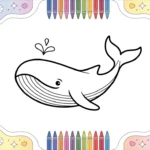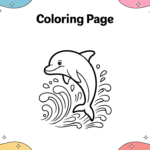
We offer a wide collection of free, high-quality printable coloring pages for kids and adults. From cute animals to intricate mandalas, our designs bring creativity and relaxation to everyone. Download, print, and start coloring today!

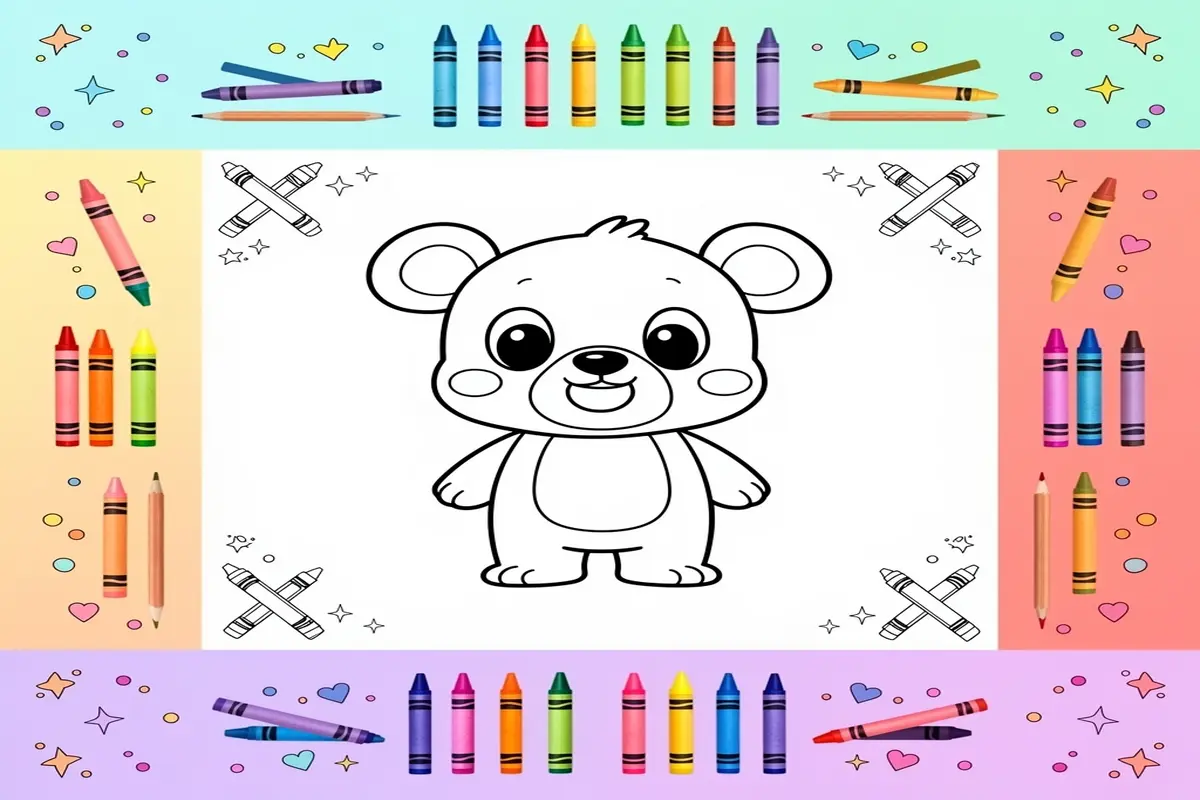
In a world where childhood is increasingly filled with digital noise and structured schedules, the simple act of coloring offers a profound sanctuary. It’s a tactile, screen-free retreat where young minds can slow down, focus, and breathe. This is the core magic of stress relief coloring pages for kids—they transform a blank page into a world of calm, one colored stroke at a time. Far more than just a pastime, these pages are therapeutic tools, helping children navigate big emotions, build concentration, and express themselves without words. From the gentle curves of a dolphin to the intricate patterns of a mandala, each design invites a state of flow. Whether your child is drawn to the wonders of the ocean, like those found in our free dolphin coloring pages, or the majestic creatures of the savanna, the right stress relief coloring pages for kids can be a gateway to mindfulness and emotional resilience.
The Quiet Power: How Coloring Cultivates a Calmer Mind
The Neuroscience of Strokes: Focus and Flow
At its heart, coloring is a mindful activity. It engages the brain’s frontal lobe, which governs organization and problem-solving, while simultaneously quieting the amygdala—the brain’s fear center. This dual action is the secret behind its calming effect. For a child, the repetitive motion of selecting colors and staying within (or creatively outside!) the lines creates a meditative rhythm. This focused attention pushes aside anxious thoughts and distractions, allowing the mind to enter a state of ‘flow.’ This isn’t merely play; it’s a cognitive exercise in mindfulness, teaching young brains to anchor themselves in the present moment through a joyful, accessible task.
From Ancient Rituals to Modern Therapy: A Timeless Practice
While modern psychology has embraced coloring as a therapeutic tool, its roots are ancient and cross-cultural. The act of applying pigment to surface is a fundamental human expression, seen in cave paintings and ceremonial art. Today’s stress relief coloring pages for kids are the descendants of these traditions, repurposed for contemporary emotional needs. They democratize art therapy, making its benefits available at the kitchen table. This historical lineage gives the activity weight—it’s not a fleeting trend but a timeless method of making sense of the world and one’s inner landscape through color and form.
Designed for All: Inclusivity in Calm
A key strength of stress relief coloring pages for kids is their universal appeal. They require no artistic training, eliminating the pressure of performance. A toddler scribbling with joy experiences the same sensory release as a pre-teen meticulously shading a complex animal portrait. The spectrum of available designs ensures inclusivity: simple, bold outlines for younger children or those needing a quick win, and detailed, pattern-rich scenes for older kids seeking a deeper immersive challenge. This scalability means every child, regardless of skill or temperament, can find a page that meets them where they are, offering a personalized path to peace.
Part 2: Essential Materials for Effective stress relief coloring pages for kids
To maximize the calming benefits of coloring, having the right materials is crucial. The tactile experience of quality paper, the smooth application of vibrant colors, and a comfortable workspace all contribute to turning a simple activity into a powerful tool for mindfulness and stress relief coloring pages for kids. Proper preparation ensures that children can immerse themselves in the creative process without frustration, allowing the focus and relaxation to flow naturally.
The Foundation: Premium Paper for Lasting Artwork
The paper you choose is the canvas for calm. For stress relief coloring pages for kids, standard printer paper is often too thin; it can bleed, buckle, and tear easily, leading to frustration. Opt for a heavier paper weight, measured in GSM (grams per square meter). A paper between 120-160 GSM is ideal. This thickness prevents marker bleed-through and allows for blending with colored pencils without damaging the page. Smooth, bright white paper makes colors appear more vivid, while a slightly textured surface can be excellent for building layers with pencils. For a truly special project, consider printing your chosen designs, like our intricate Mandala coloring pages for kids, onto this premium stock.
Best Coloring Tools: A Detailed Medium Comparison
The choice between markers, colored pencils, and crayons significantly impacts the coloring experience and outcome.
Colored Pencils: The top choice for control and detail, especially for stress relief coloring pages for kids. Look for pencils with soft, pigmented cores that blend easily. They are less messy, allow for subtle shading, and are perfect for intricate patterns. A set of 24-48 colors provides ample range without being overwhelming.
Markers: They offer brilliant, solid blocks of color and are satisfying to use. For children, alcohol-based markers should be avoided due to strong fumes and permanent bleeding. Instead, choose high-quality water-based or fine-tip markers with good color saturation. Always test them on a spare sheet to check for bleed-through.
Crayons: Excellent for younger children, providing a robust and forgiving medium. While less precise, they encourage bold, expressive strokes. High-pigment, twist-up crayons can be less frustrating than traditional ones that require peeling.
Finishing Touches: Gel Pens and Highlighters for Brilliance
Elevate the finished artwork and add an element of excitement with specialty tools. Metallic gel pens are perfect for adding shimmering accents to scales, stars, or patterns. White gel pens can be used for highlights, dots, or to correct small mistakes on darker areas. Fine-line black pens can help older children redefine outlines or add their own patterns. These tools empower kids to add personal flair, boosting their sense of accomplishment and pride in their stress relief coloring pages for kids.
Crafting the Perfect Workspace: Ergonomics and Ambiance
The environment is as important as the materials. Ensure proper lighting to reduce eye strain; natural light is best, but a bright, neutral-toned desk lamp is a good alternative. The seating surface should support good posture—feet flat on the floor and the table at elbow height. A clean, clutter-free space minimizes distractions. Consider playing soft, instrumental music in the background to further enhance the calming atmosphere. Having all materials organized and within reach—a cup for pencils, a flat space for the page, and a scrap sheet for testing colors—keeps the focus on the creative, soothing process.
Part 3: Elevating Calm: Advanced Techniques for Stress Relief Coloring Pages for Kids
Link: Transform a simple page into a masterpiece with techniques that build focus and artistic confidence. For a fantastic starting point, explore our collection of cute calming coloring pages or the intricate patterns in mandala coloring pages for kids.
Harmonious Havens: Color Theory for Stress Relief
Understanding basic color theory can turn coloring from a random activity into a mindful art project that enhances the therapeutic benefits of stress relief coloring pages for kids. Teach children about color “moods”: cool blues and greens are naturally calming, while warm yellows and oranges can feel uplifting. Introduce two simple schemes: Analogous colors (neighbors on the wheel, like blue, teal, and green) create serene, harmonious scenes perfect for ocean or forest pages. Complementary colors (opposites, like purple and yellow) add vibrant pop and energy, ideal for making certain elements stand out. This knowledge empowers kids to intentionally craft a page that reflects or shifts their mood.
From Flat to Fabulous: Mastering Shading for Depth
Shading is the magic trick that brings a two-dimensional drawing to life, adding a satisfying sense of accomplishment. Start with a simple 3-step method for stress relief coloring pages for kids: 1) Identify Your Light Source: Decide where the “sun” is. 2) Layer Lightly: Color the entire area with your lightest pressure. 3) Build Shadows: Apply more pressure or a slightly darker shade to the side opposite* the light source. Practice on simple spheres or fruits found in our fruit coloring pages for kids. This focused technique requires patience and observation, naturally deepening the state of flow and relaxation.
Texture Tales: Bringing Surfaces to Life
Adding texture makes coloring immersive. Teach kids easy methods to render different surfaces: for fur (like on a lion or rabbit), use short, quick strokes going in the direction the hair grows. For scales (on fish or dragons), try overlapping small “U” shapes. Smooth surfaces like a dolphin’s skin or a balloon are best with even, consistent pressure. For sky or water, using a cotton swab to gently blend colored pencil strokes creates a soft, realistic gradient. Exploring our realistic animal coloring pages provides perfect practice canvases for these techniques.
The Art of the Oops: Graceful Error Correction
Mistakes are part of the process, and learning to fix them builds resilience. First, reframe errors as “happy accidents” or opportunities for creativity—a stray mark can become a butterfly, a berry, or a star. For small slips outside the lines, a white gel pen or a carefully used eraser can clean up edges. If a color turns out too dark, show how to layer a lighter color on top to modify the hue. The ultimate lesson is that perfection isn’t the goal; the mindful process is. This approach reduces anxiety and keeps the focus on the joy and stress relief coloring pages for kids provide, not on an unattainable perfect result.
Showcasing Your Stress Relief Coloring Pages for Kids: Creative Display Ideas
The final, colorful strokes are just the beginning. Transforming your child’s completed stress relief coloring pages for kids into a display of pride is a wonderful way to celebrate their focus and creativity, reinforcing the positive feelings the activity provides.
Preserving Your Masterpiece: Archival Tips
To ensure those calming creations last, consider simple preservation methods. For a classic look, place the artwork in a frame with a mat to prevent the paper from touching the glass. For a more flexible gallery, use clip frames or string a clothesline with decorative clips in their room. Laminating pages is a durable option for frequently handled masterpieces, turning them into placemats or even DIY bookmarks. This act of preservation honors their effort and the tranquility found in the process.
Beyond Display: Creative DIY Projects
Take the benefits of coloring into new, hands-on projects. Cut out colored elements to create unique greeting cards, gift tags, or decorative magnets. Several completed pages can be bound into a personal calming storybook. For a collaborative family project, combine colored scenes from our Safari Coloring Pages for Kids to craft a vibrant jungle mural for a playroom wall. These projects extend the mindfulness and joy, transforming single pages into cherished gifts and decor.
Your Guide to Stress Relief Coloring Pages for Kids: FAQs
Does coloring reduce stress in children?
Absolutely. Coloring engages a child’s focus on a simple, repetitive task, which can quiet a busy mind and lower heart rate. This meditative state helps manage overwhelming emotions, providing a safe, nonverbal outlet for stress. It’s a foundational tool for emotional regulation.
What are the benefits of coloring for kids?
Beyond stress relief coloring pages for kids, benefits include improved fine motor skills, enhanced color recognition, and boosted concentration. It fosters creativity and offers a sense of accomplishment. The activity also provides a screen-free quiet time that is crucial for cognitive rest and development.
How does coloring help with anxiety?
Coloring creates a mindful focus on the present moment, distracting from anxious thoughts. The rhythmic motion and control over colors can be soothing, acting as a grounding technique. It’s a portable, accessible coping skill children can use to self-soothe during moments of worry.
What kind of coloring pages are best for stress?
Pages with balanced detail—not too simple, not overwhelmingly complex—are ideal. Nature scenes, gentle animals, and soothing patterns like mandalas are excellent. For instance, pages featuring flowing underwater scenes or serene landscapes naturally promote calm. The goal is engaging without frustration.
Why is coloring relaxing for the brain?
Coloring activates the brain’s frontal lobe, which governs organization and problem-solving, while the repetitive, creative action lowers activity in the amygdala, the brain’s fear center. This combination induces a state similar to meditation, making it a perfect stress relief coloring pages for kids activity.
Final Thoughts: Beginning Your Stress Relief Coloring Journey
The simple act of coloring is a powerful gift for a child’s emotional world. It’s more than just staying within the lines; it’s a journey into mindfulness, a practice in patience, and a celebration of quiet creativity. By providing stress relief coloring pages for kids, you equip them with a joyful tool to navigate big feelings, build confidence, and discover pockets of peace in their day. This accessible activity strengthens their inner resources while creating tangible memories of calm and accomplishment.
Ready for your next adventure? Explore our Whale Coloring Pages to dive into a new world of serene creativity!