We offer a wide collection of free, high-quality printable coloring pages for kids and adults. From cute animals to intricate mandalas, our designs bring creativity and relaxation to everyone. Download, print, and start coloring today!

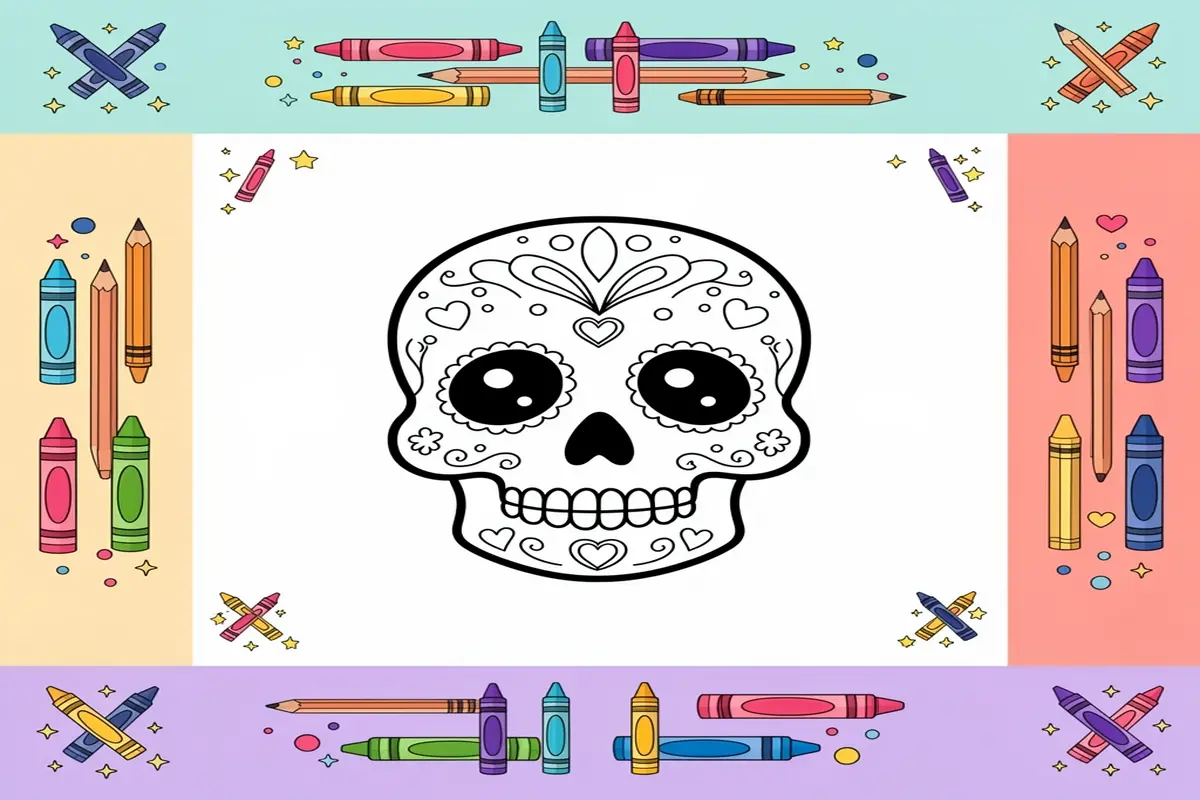
In a world saturated with digital screens, the simple act of coloring offers a profound return to tactile creativity and mindful focus. For young artists, it’s more than just filling in lines; it’s an exploration of color theory, fine motor skills, and personal expression. Among the most captivating themes for this creative journey are sugar skull coloring pages for kids. These intricate designs, inspired by the beautiful Mexican tradition of Día de los Muertos (Day of the Dead), transform a symbol of remembrance into a canvas bursting with life, color, and pattern. Unlike typical skull coloring pages for kids, the sugar skull aesthetic is defined by its joyful ornamentation—symmetrical flowers, swirling patterns, and playful details that invite a rainbow of possibilities. This makes them a uniquely engaging alternative to other popular themes, like our serene ocean coloring pages. By introducing children to sugar skull coloring pages for kids, we open a door not only to art but to a meaningful cultural conversation about celebration, memory, and the beauty of life’s cycle.
The Allure of the Ornate: Psychology & Cultural Resonance
The Mindful Magic of Repetitive Pattern
At their core, sugar skull designs are a masterclass in mindful art. The repetitive nature of patterns—dots, swirls, petals—requires a gentle, sustained focus that naturally quietens a busy mind. This meditative quality is a powerful tool for children, helping to build concentration and provide a calming, screen-free retreat. The act of choosing colors for each small section allows for decision-making within a safe, structured framework, boosting confidence with every finished detail. It’s a creative exercise that balances freedom with guidance, making it perfect for developing young minds.
A Celebration, Not a Spook: Understanding the Symbolism
It’s crucial to approach this theme with cultural context. Unlike Halloween’s frightening skeletons, the sugar skull (calavera) is a folk art symbol of love and respect. Created to honor departed loved ones, it represents the sweetness of life and the belief that death is a natural part of the human journey. When children engage with sugar skull coloring pages for kids, it presents a valuable opportunity for parents and educators to discuss these themes of family, heritage, and joyful remembrance. This transforms the activity from mere coloring into an educational experience, fostering cultural appreciation and a healthier perspective on a topic often shrouded in fear.
Designed for All Hands: From Beginner to Budding Artist
The versatility of sugar skull coloring pages for kids is one of their greatest strengths. Designs can range from simple, bold-outlined skulls with large, easy-to-color sections for preschoolers, to incredibly detailed mandala-like illustrations that will challenge and delight older children and even adults. This scalability ensures that every child can find a page that matches their skill level, ensuring a sense of accomplishment rather than frustration. Whether using broad crayon strokes or fine-tipped markers, the result is always a personalized masterpiece, vibrant with the individual’s creative spirit.
Professional Materials & Preparation for sugar skull coloring pages for kids
To ensure a vibrant and successful coloring session with sugar skull coloring pages for kids, proper preparation is key. Having the right materials on hand transforms a simple activity into an enriching artistic experience that enhances fine motor skills and color recognition. This section details the essential toolkit and setup, empowering parents and educators to facilitate a smooth, enjoyable, and mess-managed creative process.
The Foundation: Selecting Premium Paper for sugar skull coloring pages for kids
The paper you choose directly impacts the final artwork and the child’s coloring ease. For standard home printing, opt for a bright white, smooth cardstock between 120-160 GSM (grams per square meter). This weight prevents bleed-through from markers and handles layering with colored pencils without tearing. If you plan to use wet mediums like paints, consider a dedicated mixed-media or watercolor paper. For a more authentic feel, some craft stores offer printable parchment-style paper, which can add a textured, aged look to your finished sugar skull coloring pages for kids. Always print a test page on your chosen paper to ensure printer ink dries quickly and doesn’t smudge.
Best Coloring Tools: Markers, Pencils, and Crayons Compared
Each coloring medium offers a different experience and finish for your sugar skull designs.
Colored Pencils: Ideal for detailed work, they allow for precision in small patterns and shading. Look for soft-core pencils with high pigment content for vibrant colors without excessive pressure. They are less messy and excellent for developing pencil grip control.
Markers: Provide brilliant, solid blocks of color perfect for bold sugar skull designs. For kids, alcohol-based markers are not recommended due to strong odor and bleed-through. Instead, choose high-quality, water-based markers with fine and broad tips. Brands with good color saturation will make floral and geometric patterns pop.
Crayons: A classic, durable choice for younger children. They are forgiving and encourage broad, sweeping color application. For better coverage, consider oil pastels for a softer, more blendable result on larger skull sections.
Finishing Touches: Gel Pens, Glitter, and Embellishments
The intricate patterns on sugar skulls beg for special accents. Metallic and glitter gel pens are fantastic for adding highlights to eyes, tracing lace-like designs, or creating shimmering details on flowers. White gel pens are particularly useful for adding dots and fine lines over darker colored areas. For a celebratory, three-dimensional effect, consider child-safe glue sticks and loose glitter, or use pre-glittered stickers. If the page will be displayed, a can of clear, non-toxic matte spray fixative can prevent smudging. For related artistic projects, explore our mandala coloring pages for kids, which also benefit from these detailed embellishment techniques.
Perfect Workspace: Organizing for Lighting and Ergonomics
A well-prepared space maximizes focus and minimizes frustration. Ensure the coloring area has ample, natural light or a bright, white LED lamp to reduce eye strain and allow true color perception. The work surface should be flat, stable, and protected with a washable mat or newspaper. Organize materials within easy reach using cups for pencils and markers and small trays for embellishments. For ergonomics, ensure the child’s feet are supported and the table height allows forearms to rest comfortably. Having a damp cloth for sticky fingers and a scrap paper for testing colors will keep the main sugar skull coloring pages for kids clean and organized throughout the creative process.
Mastering Sugar Skull Art: Advanced Techniques for Kids’ Coloring Pages
Link: For more intricate pattern practice, our mandala coloring pages for kids offer excellent training. If your young artist enjoys vibrant celebrations, explore our Cinco de Mayo coloring pages for complementary cultural themes.
Harmonious Palettes: Color Theory for Sugar Skull Coloring Pages for Kids
Sugar skulls are a celebration of color, but moving beyond random selection can create stunning results. Teach kids the basics of complementary colors (opposites on the color wheel) to make elements pop—think a vibrant orange flower against a deep blue background on their sugar skull coloring pages for kids. For a more harmonious, calming look, guide them toward analogous colors (neighbors on the wheel), like using a range of pinks, reds, and purples together. Encourage thematic palettes: festive brights for celebration, pastels for a gentle look, or even metallic accents for a touch of shimmer. This transforms their page from simply colored to thoughtfully designed.
From Flat to 3D: Shading for Dimensional Depth
The secret to making a sugar skull look lifelike lies in shading. Start by identifying a single, consistent light source (e.g., the top-left corner). Show kids how to apply slightly more pressure or a darker shade of the same color on the side opposite the light. For example, on a rounded cheekbone petal, the darkest area should be at the outer edge, fading lighter toward the center. Practice gradient blending by coloring heavily in one area and lightly lifting the pencil or marker as they move toward the “light.” This simple technique adds incredible volume to flowers, swirls, and the skull itself, elevating their artwork.
Adding Visual Interest: Texture and Pattern Techniques
Sugar skulls are a canvas for mixed textures. Demonstrate how to create different effects: use tiny, tight circles for a stippled, dotted texture in eye sockets. For a smooth, polished look on larger petals, color in small, consistent, overlapping ovals. Encourage kids to invent their own fill patterns for the various sections—tiny hearts, zigzags, or even miniature stars inside the designs. This approach, also found in abstract coloring pages for kids, builds fine motor skills and creative confidence. Contrast a smooth, shaded area with a highly patterned one to create focal points.
The Art of Correction: Graceful Fixes for Coloring Mistakes
Even professional artists make mistakes, and teaching recovery is empowering. If a color goes outside the line, suggest turning the error into a new design element—a tiny extra flower or a decorative dot. For small smudges, a white gel pen can be a magic wand for clean-up. If an area becomes too dark, show how to layer a lighter color on top (e.g., yellow over dark green to create a lime hue). Sometimes, the best fix is to incorporate the “error” into the background. The key lesson for sugar skull coloring pages for kids is that art is adaptable, and a creative mind can transform any hiccup into part of the masterpiece.
Showcasing Your Sugar Skull Art: Creative Display & DIY Ideas
Once your child has finished their vibrant sugar skull coloring pages for kids, the fun doesn’t have to stop! Transforming their artwork into cherished décor or heartfelt gifts is a wonderful way to celebrate their creativity and the cultural spirit behind the designs.
Preserving Your Masterpiece: Archival Tips
To ensure those bright colors last, consider simple preservation methods. For a glossy, protected finish, use a clear art spray sealant (used in a well-ventilated area). Alternatively, place the finished page in a budget-friendly frame with a colorful mat. For a classroom or playroom gallery wall, clip a collection of completed pages to a string of fairy lights with decorative clothespins for a festive, rotating display.
Beyond Display: Creative DIY Projects
Turn colored pages into meaningful crafts. Laminate them to create unique bookmarks or cut them into shapes to make personalized greeting cards for Día de los Muertos. For a special gift, glue the artwork onto a plain wooden box or a canvas tote bag, then seal with decoupage glue. These projects extend the artistic journey and make wonderful, personalized presents.
Your Sugar Skull Coloring Pages for Kids Questions Answered
What is the meaning of a sugar skull?
Sugar skulls, or calaveras, are not scary. They are joyful symbols used during Día de los Muertos (Day of the Dead) to honor and celebrate the lives of loved ones who have passed away. They represent the sweet memories of those individuals and the belief that death is a natural part of life’s cycle, not something to be feared.
What do the colors on a sugar skull represent?
Each vibrant color holds special meaning. Pink signifies celebration, while purple represents mourning or grief. Orange symbolizes the sun and marigolds (the guide for spirits), and yellow is for the Mexican marigold itself. White represents purity and hope, and red stands for the blood of life and the passion of the remembered.
How do you explain sugar skulls to a child?
Explain that sugar skulls are like happy, colorful pictures we make to remember people and pets we love who aren’t with us anymore. We use bright colors and flowers to think about the happy times, not to be sad. It’s a special way to say, “We still love you and remember you!” This makes sugar skull coloring pages for kids a great, gentle introduction.
Why are sugar skulls decorated with bright colors?
The bright, festive colors reflect the celebratory nature of Día de los Muertos. They are meant to attract the spirits of the departed with joy and vibrancy, creating a welcoming and happy atmosphere. The colors celebrate life itself and the enduring connection between the living and the dead, turning remembrance into a visual party.
What are the traditional symbols used on sugar skulls?
Common symbols include flowers (like marigolds) representing life’s fragility, hearts for love, swirls for the journey of life and spirit, and crosses for faith. Teardrops might symbolize the sadness of loss, while intricate lace-like patterns (filigree*) show the beauty and complexity of life. Names are often written on the forehead to honor a specific person.
Final Thoughts: Your Creative Journey with Sugar Skull Coloring Pages
Coloring sugar skull coloring pages for kids is more than just an art activity; it’s a gateway to cultural appreciation, creative expression, and meaningful family conversations. Through each chosen color and decorated symbol, children engage with themes of love, memory, and the beautiful cycle of life in an age-appropriate and joyful way. It builds fine motor skills, sparks imagination, and results in artwork full of personal significance. We hope this journey inspires creativity and connection in your home or classroom.
Ready for your next adventure? Explore our Day of the Dead coloring pages for even more cultural crafting fun!