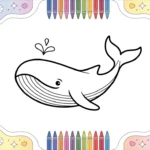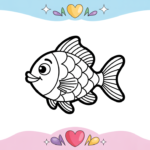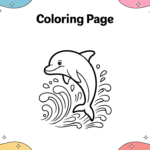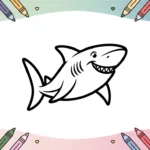
We offer a wide collection of free, high-quality printable coloring pages for kids and adults. From cute animals to intricate mandalas, our designs bring creativity and relaxation to everyone. Download, print, and start coloring today!

As the sun climbs higher and school bells fall silent, a unique canvas of opportunity unfolds for young minds. The long, languid days of summer are not just a break from routine but a vibrant invitation to explore, imagine, and create. In this season of boundless energy, summer coloring pages for kids emerge as a perfect portal to artistic discovery and quiet focus. Far more than a simple pastime, these themed activities capture the very essence of the season—from sun-drenched beaches and playful sea creatures to bustling ice cream trucks and majestic safari sunsets. They offer a screen-free sanctuary where children can translate the warmth and wonder of summer into a personal masterpiece, one colorful stroke at a time. Whether it’s bringing to life the gentle arc of a dolphin’s leap or the intricate patterns of a seashell, each page is a journey. For a deep dive into oceanic adventures, explore our collection of free dolphin coloring pages to start the creative tide. This summer, transform idle hours into a gallery of vibrant memories with the simple, profound joy of summer coloring pages for kids.
The Alchemy of Sunlight and Crayons: Why Summer Coloring Captivates
At the intersection of play and mindfulness lies the powerful appeal of seasonal art. Summer coloring pages for kids are uniquely designed to harness a child’s natural curiosity about the world blooming around them, providing a structured yet open-ended outlet for expression.
The Mindful Beach: Cultivating Focus in a World of Distraction
In an age of constant digital stimulation, the act of coloring demands a singular focus that is both rare and restorative. Selecting a cerulean for the sky or a coral for a starfish requires decision-making and fine motor control, engaging the brain in a state of flow. This mindful practice slows down the summer frenzy, offering kids a calm harbor. It’s a tactile, sensory experience where the sweep of a colored pencil and the scent of a marker become anchors to the present moment, reducing anxiety and building concentration skills that extend far beyond the page.
A Palette of Heritage: The Timeless Journey of Seasonal Art
While coloring is a modern staple, the impulse to depict seasonal bounty is ancient. From cave paintings of hunting scenes to medieval illuminated manuscripts celebrating harvests, humans have always used art to mark time and nature’s cycles. Contemporary summer coloring pages for kids are the heirs to this tradition, featuring motifs—like soaring eagles, patriotic symbols for the Fourth of July, or lush garden scenes—that connect children to broader cultural and natural rhythms. They are not just coloring; they’re participating in a timeless dialogue about the world’s beauty.
From Toddler to Tween: A Creative Spectrum for Every Artist
The true genius of a well-curated collection lies in its inclusivity. Simple, bold outlines of a smiling sun or a sandcastle are perfect for little hands just learning to grip a crayon. Meanwhile, older children and even parents can find challenge and relaxation in detailed scenes of a complex safari landscape or a mandala inspired by summer florals. This range ensures that every member of the family can find a page that meets them at their skill level, making summer coloring pages for kids a versatile tool for shared family time or independent creative retreats during the holiday.
Professional Materials & Preparation for Summer Coloring Pages for Kids
To ensure your young artists get the most out of their summer coloring pages for kids, proper preparation with quality materials is key. This not only enhances the final artwork but also makes the coloring experience more enjoyable and skill-building. A well-stocked creative station encourages children to explore their imagination, especially when coloring vibrant themes like those found in our sea animals coloring pages.
The Foundation: Selecting Premium Paper for Summer Coloring Pages for Kids
The paper you choose directly impacts how coloring tools perform. For standard summer coloring pages for kids, a smooth, bright white paper around 100-120 GSM (grams per square meter) is ideal. This weight is thick enough to prevent bleed-through from markers while providing a good surface for pencils. For advanced projects or when using wet mediums like markers, consider upgrading to heavyweight mixed-media paper (190+ GSM). If you plan to display the artwork, acid-free paper will prevent yellowing over time. Always print or place your coloring page on a flat, hard surface for optimal support.
Best Coloring Tools: A Detailed Medium Comparison
The choice between markers, colored pencils, and crayons defines the artwork’s texture and vibrancy.
Colored Pencils: Excellent for control and detail, making them perfect for intricate summer coloring pages for kids. Look for pencils with soft, pigmented cores. Wax-based pencils blend easily, while oil-based offer superior layering. They are mess-free and ideal for developing fine motor skills.
Markers: Provide brilliant, solid blocks of color that bring summer scenes to life. For children, choose water-based markers as they are washable and typically non-toxic. Alcohol-based markers offer professional blending but can bleed through paper. Dual-tip markers (fine and broad) offer versatility for both outlining and filling large areas.
Crayons: A classic, durable choice for younger children. They require more pressure and produce a distinctive texture. Opt for high-pigment crayons for richer color payoff on those sunny beach and safari scenes.
Finishing Touches: Gel Pens, Blenders, and Highlights
Elevate the artwork with special effects that make it pop. Gel pens and metallic markers are fantastic for adding sparkle to ocean waves, sunshine, or starry summer nights. A colorless blender pencil or marker is invaluable for smoothing pencil gradients and creating seamless skies or water. For a final touch, consider a white gel pen or a touch of glitter glue (used sparingly under supervision) to create highlights on waves, scales, or flower petals. These tools encourage creativity and add a professional flair to completed pages.
Perfect Workspace: Ergonomic Setup and Optimal Lighting
A dedicated, organized space fosters focus and creativity. Ensure the coloring surface is at a comfortable height to prevent hunching—a child-sized table or a booster seat at a regular table works well. Natural daylight is the best lighting for accurate color perception; position the workspace near a window if possible. Supplement with a bright, cool-white LED desk lamp to reduce eye strain during evening sessions. Keep materials organized in cups or caddies, and always protect the work surface with a washable mat or newspaper. This prepared environment turns coloring time into a calm, engaging activity perfect for any summer day.
Part 3: Elevating Your Art: Advanced Techniques for Summer Coloring Pages for Kids
Ready to transform those simple outlines into vibrant masterpieces? Moving beyond basic filling, these advanced techniques will help kids (and adults!) add professional flair to their summer coloring pages for kids. This guide focuses on actionable methods to create depth, realism, and stunning visual effects.
Harmonious Palettes: Color Theory for Sunny Scenes
Understanding basic color relationships can make a summer scene pop. For a vibrant, energetic feel, teach kids about complementary colors (opposites on the color wheel), like using blues for ocean waves against the orange of a setting sun. For a more calming, harmonious look—perfect for a serene beach sunset—suggest analogous colors (colors next to each other), like blending yellows, oranges, and reds. When coloring a lush jungle scene or a detailed safari animal, using analogous greens and yellows can create a beautifully cohesive and natural look. Start with our safari coloring pages for kids to practice these schemes on lions, giraffes, and more.
From Flat to 3D: Mastering Light and Shadow
Shading is the magic that turns a flat circle into a spherical beach ball. Here’s a simple step-by-step method:
1. Identify Your Light Source: Decide where the sun is in your picture (e.g., top right corner).
2. Apply Base Color: Color the entire object with your main color lightly.
3. Add Shadow: On the side opposite the light source, apply the same color again with more pressure, or use a slightly darker shade (e.g., use a darker blue on the lower left side of a wave).
4. Highlight: Leave a small area closest to the light source the lightest, or add a touch of white or yellow.
Practice this on rounded summer fruits from our fruit coloring pages for kids to see dramatic results.
Adding Realism: Texture Techniques for Nature
Summer is full of distinct textures. Here’s how to render them:
Fur & Feathers: Instead of coloring in one direction, use short, quick strokes going outward from the body. Layer different shades of the same color to create depth on a lion’s mane or a duck’s feathers.
Water & Sky: Use smooth, long, horizontal strokes for a calm ocean or sky. Layer different blues lightly, blending them together with your pencil for a seamless gradient.
Sandy Beach: Use small, circular, scribbly motions with a mix of tans, yellows, and whites to create the gritty, uneven look of sand.
The Art of Correction: Graceful Fixes for Coloring Errors
Mistakes are part of the process! Turn them into opportunities:
Over-Colored or Outside the Lines: Incorporate the stray mark into the background. A blue streak outside a dolphin can become a small wave. A dark spot on a shell can be turned into a natural shadow or pattern.
Color Choice Regret: Layer over it! Coloring lightly with a white crayon or pencil first can make top colors more blendable and allow you to shift hues. A green leaf can be warmed up by lightly layering yellow on top.
Embrace “Happy Accidents”: Sometimes a slip can inspire a new element—an extra seashell on the beach or a cloud in the sky. The key is to work with* the page, not against it.
By integrating these techniques, your collection of summer coloring pages for kids becomes a dynamic workshop for creativity, building not just beautiful art, but also confidence and artistic skill that lasts long after the season ends.
Showcasing Your Summer Coloring Pages for Kids: Creative Display Ideas
The fun doesn’t have to stop when the last crayon is put down! Turning your child’s artwork into a display or new creation adds a whole new layer of pride and purpose to their coloring time.
Preserving Your Masterpiece: Archival Tips
To ensure those vibrant summer scenes last, consider your display location. For long-term keepsakes, use acid-free paper when printing and acid-free tape or photo corners for mounting. Laminating pages is a fantastic, durable option for artwork that will be handled often. For a simple gallery wall, use washi tape for easy, damage-free rotation of new masterpieces, celebrating each child’s artistic evolution.
Beyond Display: Creative DIY Projects
Transform completed coloring pages into cherished items. Create custom greeting cards by folding a colored page in half and writing a message inside. Laminate and cut out shapes to make unique bookmarks or ornaments. You can also decoupage them onto a plain pencil case or storage box. These projects make heartfelt, personalized gifts for family members, extending the joy of your child’s summer coloring pages for kids far beyond the season.
Your Summer Coloring Pages for Kids Questions Answered
What are the benefits of coloring pages for kids?
Coloring boosts fine motor skills, hand-eye coordination, and grip strength, all foundational for writing. It’s a calming activity that fosters focus and creativity, allowing kids to express themselves. Choosing colors and staying within lines also builds decision-making and patience. It’s a screen-free pastime perfect for quiet afternoons during summer break.
How to print coloring pages from the internet?
Find a high-quality, free printable site (like ours!). Click the download or print button, or save the image to your device. Open the file and select “Print.” In your printer settings, ensure you’re using the correct paper size (usually Letter or A4) and select “Best” or “High Quality” print mode for crisp lines. Always do a test print on plain paper first.
What is the best paper to use for coloring pages?
For crayons and colored pencils, a smooth, medium-weight (24-32 lb) printer paper works well. For markers, especially alcohol-based ones, use heavyweight (60+ lb) cardstock or marker paper to prevent bleeding. Watercolor paints require thick, textured watercolor paper. The right paper elevates the final artwork, making your summer coloring pages for kids look fantastic.
How to teach kids to color inside the lines?
Start with pages featuring large, simple shapes. Demonstrate holding the crayon near the tip and using slow, controlled strokes. Praise effort over perfection. You can also try having them trace the outline with their finger first. As their motor skills develop, they’ll naturally gain more control. Remember, creative expression is the primary goal!
Where to find free printable coloring pages?
Numerous educational and parenting websites offer free packs. We provide a vast library of themed printables, from ocean animals to holiday scenes. For instance, after finishing your summer coloring pages for kids, you can dive into our collection of Fish Coloring Pages for an underwater adventure.
Final Thoughts: Your Summer Coloring Pages for Kids Journey Begins
The simple act of coloring opens a world of developmental benefits and joyful, shared moments. It transforms a quiet afternoon into an opportunity for creativity, focus, and family connection. As you display their artwork or craft it into something new, you’re not just showcasing a picture—you’re celebrating your child’s growth and imagination. Let this summer be filled with color, creativity, and the special pride that comes from creating something uniquely their own.
Ready for your next adventure? Explore our Ocean Coloring Pages to continue the seasonal fun!