We offer a wide collection of free, high-quality printable coloring pages for kids and adults. From cute animals to intricate mandalas, our designs bring creativity and relaxation to everyone. Download, print, and start coloring today!

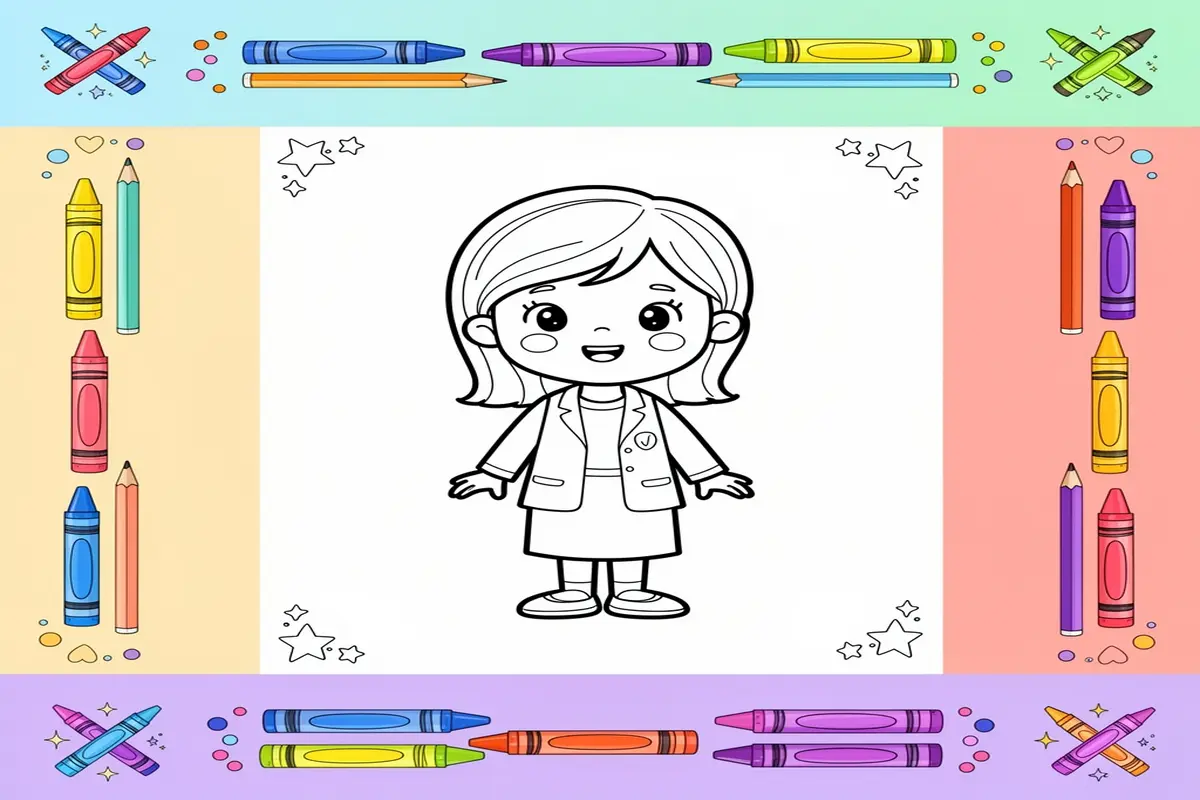
In the vibrant world of childhood education, few tools bridge the gap between learning and play as seamlessly as coloring. It’s a simple, accessible activity that unlocks a universe of developmental benefits, from fine motor skill refinement to emotional expression. For educators seeking to enrich their classrooms and parents looking to extend learning at home, teacher coloring pages for kids offer a uniquely powerful resource. These aren’t just random pictures; they are thoughtfully designed gateways to thematic lessons, character education, and moments of mindful calm. By integrating subjects like marine biology with our sea animals coloring pages, or exploring the alphabet with dedicated sheets, these resources transform a quiet activity into an engaging educational experience. The true magic of teacher coloring pages for kids lies in their versatility, serving as visual aids, discussion starters, and creative outlets all in one.
The Educator’s Palette: More Than Just Crayons & Paper
At first glance, coloring might seem like mere busy work. However, when deployed intentionally, teacher coloring pages for kids become a multifaceted pedagogical tool with profound impacts on a young learner’s cognitive and social development.
The Mindful Classroom: Fostering Focus and Emotional Regulation
In today’s fast-paced world, the classroom can be a hub of overstimulation. Introducing structured coloring time provides a vital pause. The focused attention required to color within lines and select hues activates the brain’s frontal lobe, enhancing concentration and executive function. This act of mindful creation lowers cortisol levels, offering students a legitimate, quiet strategy for emotional co-regulation. A page featuring a calm scene or a positive affirmation can serve as a reset button, helping children manage anxiety and return to academic tasks with renewed focus. This makes teacher coloring pages for kids an unsung hero in social-emotional learning curricula.
A Historical Canvas: From Cave Walls to Classroom Walls
The impulse to fill spaces with color is ancient, connecting modern children to a fundamental human tradition. While today’s pages feature alphabets and animals, the core act links back to humanity’s earliest expressions on cave walls. In an educational context, this historical thread can be woven into lessons about art, communication, and culture. Coloring pages depicting historical figures, traditional dress, or ancient symbols allow teachers to make abstract history tangible. This approach transforms a simple activity into a cultural exploration, giving depth and context that far surpasses a textbook description.
Designed for Differentiation: Meeting Every Learner Where They Are
The most effective educational tools are inclusive, and quality teacher coloring pages for kids excel here. They are inherently differentiated. A child developing fine motor skills can benefit from large, simple shapes, while another ready for a challenge can tackle intricate patterns or detailed scenes like a realistic animal coloring page. Themes can be tailored to individual interests—space for the aspiring astronaut, dinosaurs for the budding paleontologist—ensuring engagement across the board. This adaptability makes them perfect for mixed-ability classrooms, homeschool settings, and after-school programs, providing a successful, confidence-building activity for every student.
Part 2: Essential Materials & Preparation for Teacher Coloring Pages for Kids
To transform your teacher coloring pages for kids from a simple activity into a rich, educational, and enjoyable experience, the right materials and setup are crucial. Proper preparation not only enhances the final artwork but also fosters a focused and creative environment for children. This section details the professional supplies and preparatory steps needed to maximize the potential of any coloring session, whether at home or in the classroom.
The Foundation: Selecting Premium Paper for Teacher Coloring Pages for Kids
The paper you choose is the single most important factor in coloring success. Standard printer paper (20-24 lb/75-90 GSM) is prone to bleeding, buckling, and tearing, especially with wet media. For teacher coloring pages for kids, upgrade to a heavier weight. Cardstock (65-80 lb/176-216 GSM) is an excellent, affordable choice that provides a sturdy surface for pencils, crayons, and some markers. For advanced projects or when using alcohol-based markers, invest in marker paper (70-80 GSM) specifically designed to prevent bleed-through. Smooth Bristol paper (100+ GSM) offers a superior toothless surface for incredibly smooth blending with colored pencils, making it ideal for detailed pages like our realistic animal coloring pages. Always print a test page to check your printer’s ink compatibility before starting a full set.
Best Coloring Tools: A Detailed Medium Comparison
The choice of coloring medium dramatically affects the outcome and skill development.
Colored Pencils: The quintessential tool for control and detail. Student-grade pencils (wax-based) are affordable and good for beginners, but professional-grade pencils (oil-based) like Prismacolor Premier offer superior pigment density and blendability. They are perfect for teaching shading, gradients, and fine motor skills on teacher coloring pages for kids.
Markers: Provide vibrant, solid areas of color. Water-based markers (e.g., Crayola) are washable and best for young children. Alcohol-based markers (e.g., Copic, Ohuhu) offer professional, bleed-resistant blending but require specific paper. Use markers for bold, graphic projects.
Crayons & Gel Crayons: Traditional wax crayons build grip strength and are wonderfully tactile. Gel crayons, which are water-soluble, can be used dry for bold color or with a wet brush for a paint-like effect, adding a mixed-media dimension to the activity.
Finishing Touches: Enhancing Details with Specialty Tools
Elevate completed pages with tools that add pop and precision. Fine-line gel pens in metallic, glitter, or white are perfect for adding highlights, intricate patterns, or correcting small mistakes. A white colored pencil or gouache paint can be used to add highlights on darker colors. For a polished look, keep a quality pencil sharpener for fine points and a kneaded eraser for lifting pencil pigment without damaging the paper surface. These tools encourage children to pay attention to detail and take pride in their finished work.
Creating the Perfect Workspace: Ergonomics and Lighting
A well-prepared workspace is key to a successful coloring session. Ensure ample, natural light or a bright, neutral-white LED lamp to reduce eye strain and allow for accurate color perception. The seating should support good posture; feet should be flat on the floor, and the table height should allow forearms to rest comfortably. For organization, use flat trays or caddies to sort materials by type and color, which also teaches children organizational skills. Always protect the work surface with a large craft mat or newspaper. Having all materials prepared and organized before distributing the teacher coloring pages for kids minimizes disruptions and allows the focus to remain on creativity and learning.
Part 3: Elevating Your Classroom: Advanced Techniques for Teacher Coloring Pages for Kids
Ready to transform simple outlines into stunning artwork? Mastering a few key techniques can turn your teacher coloring pages for kids into a masterclass in creativity. These methods not only produce beautiful results but also teach children foundational art concepts in an accessible way.
Harmonious Palettes: Color Theory for Young Artists
Understanding basic color theory is the first step from random coloring to intentional design. Teach children about complementary colors (opposites on the color wheel, like blue and orange) to make elements pop, such as a bright fish against a deep sea background. For a more calming scene, like a peaceful landscape coloring page for kids, introduce analogous colors—those next to each other on the wheel, like blues, greens, and purples. Start your teacher coloring pages for kids session by having students plan a simple 3-color palette before they begin, turning the page into a deliberate exercise in harmony.
From Flat to 3D: Mastering Light and Shadow
Adding dimension is what brings a flat image to life. Guide students to imagine a single light source (like the sun) shining on their page. The sides facing the light are lighter, and the opposite sides are darker. Practice this on simple rounded objects. For example, on a realistic animal coloring page, demonstrate how to shade the underside of an elephant’s trunk or the curve of a lion’s mane. Start with light pressure and gradually build up layers of color in the shadow areas. This technique instantly adds a professional, three-dimensional feel to their work.
Adding Realism: Creating Texture with Strokes
Texture makes artwork tactile and believable. Show students how different stroke techniques can simulate various surfaces.
Fur or Hair: Use short, quick, overlapping strokes that follow the direction the hair grows. This works perfectly for the mane on lion coloring pages for kids.
Scales: Try small, curved “U” shapes or overlapping crescents, ideal for fish coloring pages.
Smooth Skin or Sky: Use long, continuous, circular strokes with the side of the pencil tip for a seamless blend.
Encourage them to dedicate a small area of their page as a “texture practice” zone before tackling the main image.
The Art of Correction: Graceful Fixes for Common Mistakes
Mistakes are part of the learning process. Teach students these graceful recovery techniques:
1. Over-coloring or Bleeding: If color goes outside the lines, don’t panic. Incorporate it! Turn a stray blue mark near a bird into a tiny butterfly or a wisp of cloud.
2. Color Too Dark, Too Soon: If an area becomes too dark too quickly, use a white colored pencil or crayon to gently layer over the top. This can lighten and blend the harsh color.
3. “I Used the Wrong Color!”: Layer the correct color on top. A layer of yellow can often tone down a too-bright purple, or a brown can mute an overly vibrant green. This layering technique often creates more interesting, complex colors.
The goal is to build resilience and creative problem-solving, showing that in art, there are no true errors, only opportunities for innovation.
Showcasing Your Teacher Coloring Pages for Kids: Creative Display Ideas
Once your child has poured their creativity into their teacher coloring pages for kids, it’s time to celebrate their artwork! Moving beyond the coloring book, these finished pieces can become cherished decor or heartfelt gifts that show appreciation.
Preserving Your Masterpiece: Archival Tips
To ensure these special creations last, consider using acid-free paper for printing. After coloring, you can protect the pages by placing them in clear sheet protectors within a binder, or for a more formal display, have them laminated. For a beautiful, framable finish, try mounting the page on a slightly larger piece of colorful cardstock to create a custom matte border.
Beyond Display: Creative DIY Projects
Transform a simple coloring page into a meaningful gift. Carefully cut out the colored image and glue it onto a folded cardstock blank to create a one-of-a-kind teacher appreciation card. Other ideas include making bookmarks, decorating a plain gift bag, or creating a “Best Teacher” plaque by framing the page in a small, inexpensive frame. A collection of completed pages can even be bound into a personalized thank-you book.
Your Teacher Coloring Pages for Kids Questions Answered
What are the benefits of coloring for kids?
Coloring is far more than just a quiet activity. It helps children develop fine motor skills and hand-eye coordination as they practice staying within lines. It also serves as a powerful tool for emotional expression and stress relief, fostering focus, patience, and creativity. When working on teacher coloring pages for kids, it adds a layer of gratitude and personal connection to these developmental benefits.
How to print coloring pages for free?
Many websites, including ours, offer vast libraries of free, printable coloring pages. Simply find a design you like, such as our adorable animal-themed pages, and click the print button. Ensure your printer has enough ink and paper. For best results, select “fit to page” in your printer settings to avoid any edges being cut off.
What to write in a teacher appreciation card?
Keep it sincere and specific. Mention a particular way the teacher has helped your child, like “Thank you for encouraging Sarah’s love of reading.” A simple “Your hard work does not go unnoticed” paired with a beautifully colored teacher coloring pages for kids from your child creates a perfect, heartfelt message.
Why is coloring important for students?
In an educational setting, coloring aids in cognitive development by reinforcing color recognition, pattern awareness, and topic understanding. It provides a calming, screen-free break that helps students reset their focus, making it easier to transition back to academic tasks. Themed pages can also complement lessons on letters, animals, or seasons.
What is the best paper for coloring pages?
For casual use with crayons or colored pencils, standard printer paper is fine. For more serious projects or when using markers, upgrade to heavier cardstock (around 65-80 lb) to prevent bleed-through and wrinkling. For a truly special teacher coloring pages for kids gift, consider smooth Bristol paper, which allows for beautiful blending.
Final Thoughts: Your Teacher Coloring Pages for Kids Journey Begins
The journey from a blank page to a vibrant masterpiece is filled with more than just color—it’s filled with growth, expression, and love. These teacher coloring pages for kids offer a unique bridge between a child’s creative world and their gratitude for an educator who shapes their mind. By displaying or gifting this artwork, you’re honoring both the artist and the inspiration behind it.
We hope this guide inspires you to create, share, and celebrate. Remember, every stroke of color is a step in your child’s creative development and a token of appreciation that a teacher will treasure forever.
Ready for your next adventure? Explore our entire collection of educational and fun coloring pages to keep the creativity flowing!