We offer a wide collection of free, high-quality printable coloring pages for kids and adults. From cute animals to intricate mandalas, our designs bring creativity and relaxation to everyone. Download, print, and start coloring today!

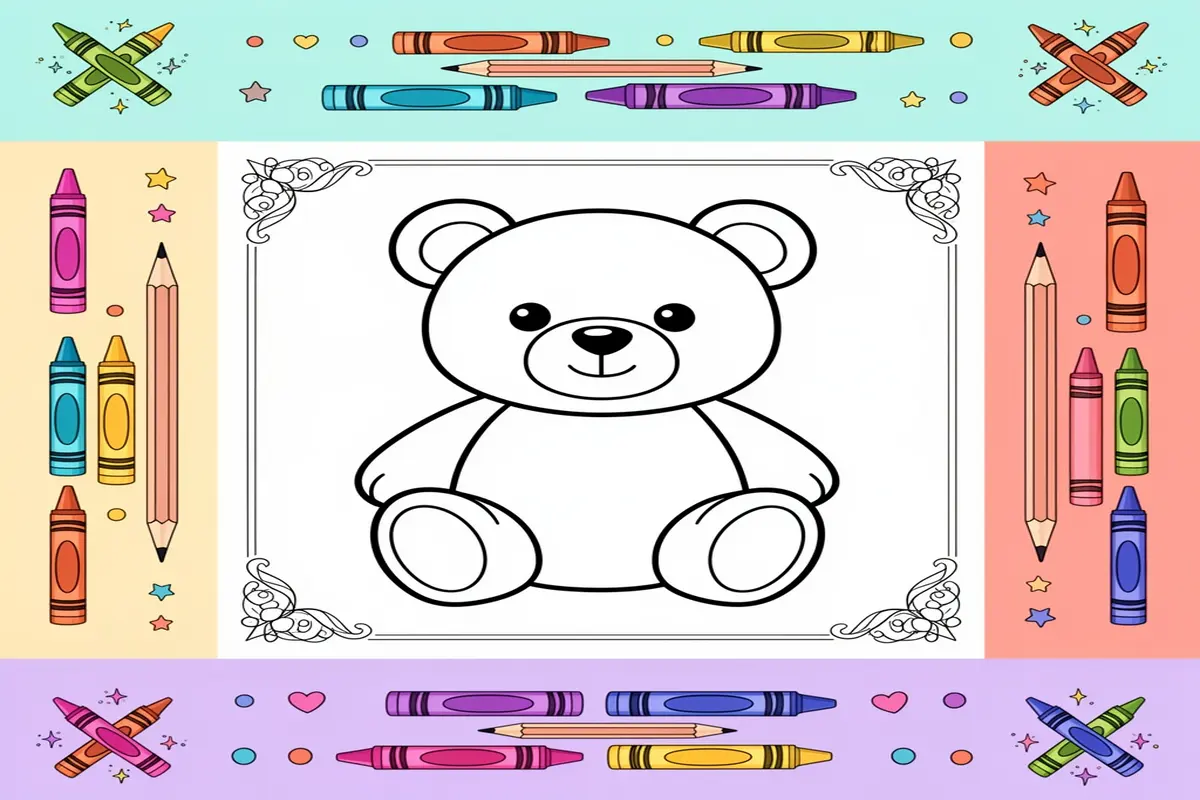
In a world of digital noise and fleeting distractions, there exists a quiet, tactile magic in the simple act of coloring. It’s a portal to mindfulness, a canvas for self-expression, and for children, a foundational tool for development. Among the vast menagerie of coloring themes, from the majestic elephants of the savanna to the playful dolphins of the deep, one subject holds a uniquely universal and comforting appeal: the teddy bear. Teddy bear coloring pages for kids are more than just outlines on paper; they are an invitation into a world of warmth, security, and boundless imagination. These pages connect children to a cherished companion, allowing them to project their own emotions and stories onto a familiar, friendly form. Whether aiming for realistic brown fur or a rainbow-hued fantasy friend, the process of bringing these gentle giants to life fosters fine motor skills, color recognition, and emotional calm. This exploration into the world of teddy bear coloring pages for kids celebrates how this classic activity nurtures creativity from the inside out.
The Enduring Embrace: Why Teddy Bears Captivate Young Hearts
The appeal of the teddy bear is woven into the very fabric of childhood. It’s a first friend, a confidant, and a source of unwavering comfort. This deep-seated emotional connection is precisely what makes teddy bear coloring pages for kids such a powerful and engaging activity. When a child colors a bear, they are not just filling in shapes; they are personalizing a symbol of safety and love.
The Psychology of Softness: Comfort in Every Stroke
Coloring, by its repetitive and focused nature, is a well-documented tool for reducing anxiety and promoting mindfulness. When the subject is as inherently soothing as a teddy bear, this effect is magnified. The rounded shapes, gentle expressions, and familiar form of a bear create a visual and psychological safe space. As a child selects a warm honey yellow or a cozy cocoa brown for their bear, they engage in a calming ritual that can regulate emotions and provide a sense of control and accomplishment in a gentle, non-threatening way.
From Roosevelt to Rainbows: A Stuffed History
The teddy bear itself is a figure rich with history, originating from a political cartoon of President Theodore “Teddy” Roosevelt in the early 1900s. This snippet of lore can be a wonderful starting point for a mini-history lesson, adding an educational layer to the art project. Teddy bear coloring pages for kids allow this historical icon to be reimagined through a modern, colorful lens. Children become part of the bear’s ongoing story, translating a century of comfort into their own vibrant palette.
A Canvas for Every Creator: From Toddler to Tween
The beauty of this theme lies in its incredible versatility, making it perfect for a wide range of ages and skill levels. For the youngest artists, simple, bold outlines with large areas are ideal for practicing grip and basic color filling. Older children can tackle pages with more detailed patterns on the bear’s fur, accessories like bows or scarves, or intricate background scenes. This scalability ensures that teddy bear coloring pages for kids remain a go-to resource, growing with the child and continually offering an appropriate and satisfying creative challenge.
Part 2: Essential Materials & Workspace Setup for teddy bear coloring pages for kids
To transform your teddy bear coloring pages for kids from a simple activity into a rich, skill-building experience, the right materials and preparation are key. This guide outlines the professional-grade supplies and setup that will enhance fine motor development, color blending, and overall enjoyment, ensuring every fluffy teddy bear is a masterpiece in the making.
The Foundation: Selecting Premium Paper for teddy bear coloring pages for kids
The paper you choose directly impacts the final result. For standard crayon or pencil work, a smooth, bright white paper (around 100-120 GSM) prevents wax buildup and allows for sharp lines, perfect for defining a teddy bear’s seams and facial features. If using markers or wet mediums like watercolor pencils for backgrounds, opt for heavyweight, bleed-proof paper (160+ GSM). This prevents frustrating soak-through and lets kids layer colors without fear of ruining the table or the next teddy bear coloring page for kids in their pad. For a special project, consider textured pastel paper, which adds a unique, soft dimension to the teddy’s fur.
Best Coloring Tools: A Detailed Medium Comparison
The choice between mediums defines the artistic style and developmental challenge.
Colored Pencils: Ideal for control and detail. Look for soft-core pencils with high pigment quality for vibrant, blendable colors. They are excellent for teaching pressure variation—light strokes for subtle fur shading, firm strokes for dark eyes and noses. A set with a wide range of browns, tans, and accent colors brings teddy bear coloring pages for kids to life.
Markers: Provide bold, saturated color. Fine-tip markers are crucial for outlining and small details, while brush tips allow for dynamic strokes that can mimic fur texture. Alcohol-based markers offer superior blendability for professional gradients, but high-quality water-based options are excellent and less messy for younger children. Always test on a corner first.
* Crayons & Gel Sticks: Fantastic for younger artists developing grip strength. Their broader stroke encourages larger areas of color and is less about precision, fostering confidence. For a fun twist, use metallic or glitter gel pens to add sparkle to a teddy’s bow or ribbon.
Finishing Touches: Enhancing Details with Specialty Tools
Elevate the finished page with tools that add pop and personality. White gel pens are invaluable for adding highlights to a teddy’s eyes or creating a shimmer effect on glossy noses. Fine-line black markers can redefine outlines that may have become blurred during coloring. For a mixed-media approach, kids can use small, rounded cotton swabs to gently blend pencil or pastel strokes, creating soft, realistic fur texture on their teddy bear coloring pages for kids. If they’re coloring a scene, consider linking this activity to other animal themes, like exploring our farm animal coloring pages to create a complete storybook setting.
Perfect Workspace: Optimizing Lighting and Ergonomics
A proper workspace prevents fatigue and lets creativity flow. Ensure the coloring area is well-lit with natural light or a bright, white LED lamp to reduce eye strain and allow true color perception. The seating should support good posture; feet should rest flat, and the table height should allow forearms to be parallel to the floor. Keep supplies organized in cups or trays—this not only minimizes clutter but also encourages children to plan their color choices. Lay down a protective mat or newspaper for worry-free experimentation. This dedicated, prepared space signals that their creative time is valued and important.
Mastering Teddy Bear Coloring Pages for Kids: Advanced Techniques for Stunning Results
Ready to transform your child’s simple coloring into a masterpiece? Moving beyond basic fills, these advanced techniques for teddy bear coloring pages for kids will unlock a new level of creativity and skill. This guide is designed for parents and teachers to coach young artists, turning flat drawings into vibrant, textured, and dimensional works of art.
Harmonious Palettes: Color Theory for Your Teddy Bear
Understanding basic color theory can make a teddy bear coloring pages for kids project truly special. Start with a complementary color scheme for high contrast and vibrancy. A classic brown teddy bear looks wonderfully dynamic when accessorized with a blue ribbon (blue is opposite orange on the color wheel, and brown contains orange tones). For a softer, more harmonious look, use an analogous scheme—colors next to each other on the wheel. Picture a golden-yellow bear with an orange scarf and a red heart button. This creates a warm, cohesive feel. Don’t forget to explore our cute bear coloring pages for kids for designs perfect for practicing these palettes.
From Flat to 3D: Mastering Simple Shading
Shading is the magic that adds roundness. Teach your child to imagine a light source, like a sun in the top corner of the page. The side closest to the light is lightest, the opposite side is darkest. For a teddy bear’s plush body, start by coloring the entire area with a base color (e.g., medium brown). Then, using a slightly darker shade of the same color, gently layer more pressure along the bear’s “shadow” side, under its arms, and along the bottom curve of its tummy. Finally, use a lighter shade or less pressure on the “highlight” areas. Blending can be done by gently overlapping colors or using a colorless blender pencil.
Adding Realism: Rendering Plush Fur Texture
The key to realistic fur on teddy bear coloring pages for kids is in the stroke, not just the color. Instead of coloring in smooth circles, use short, quick, directional strokes that follow the shape of the bear’s body. For longer fur, use slightly longer, curving strokes. Layer different shades of brown, tan, or grey using this stroke method to create depth. For a shiny nose or glassy eyes, leave a tiny white spot as a reflection and color smoothly around it. For more textural inspiration, our realistic animal coloring pages offer excellent practice for observing how light plays on different surfaces.
The Art of Correction: Gracefully Fixing Coloring Errors
Mistakes are part of the creative process! A common issue is coloring outside the lines. Instead of erasing (which can tear paper), incorporate the stray mark. Turn it into a floating fluff of fur or a tiny butterfly in the background. For a waxy crayon mistake, gently scrape away excess wax with a blunt edge, then color over it. With colored pencils, layering a new color on top can often cover a small error. Teach children that “happy accidents” can lead to unique creative choices, reducing frustration and fostering artistic resilience.
Showcasing Your Teddy Bear Coloring Masterpieces: Creative Display Ideas
Once your child’s teddy bear coloring pages for kids are complete, the fun doesn’t have to stop! Transforming their artwork from a simple page into a cherished keepsake is a wonderful way to celebrate their creativity and boost their confidence.
Preserving Your Masterpiece: Archival Tips
To ensure those colorful creations last, consider simple preservation methods. For long-term storage, place finished pages in acid-free sleeves within a binder, creating a personal art portfolio. For display, use UV-protective glass in frames to prevent fading from sunlight. Laminating pages is a great, durable option for artwork that will be handled often, turning them into placemats or even DIY bookmarks.
Beyond Display: Creative DIY Projects
Elevate the artwork into heartfelt gifts and practical items. A beautifully colored teddy bear can become a custom greeting card when glued to folded cardstock. Create unique room decor by decoupaging several colored pages onto a canvas or a plain storage box. For a playful twist, incorporate their art into a holiday ornament or a personalized gift tag, adding a special, handmade touch to any present.
Your Teddy Bear Coloring Pages for Kids Questions Answered
How to draw a teddy bear step by step?
Start with a large oval for the body and a smaller circle on top for the head. Add two half-circle ears, then draw the facial features: two dots for eyes, an upside-down triangle for the nose, and a smiling “W” shape for the mouth. Finish with simple oval arms and legs. It’s a perfect, friendly shape for kids to practice and then color!
What are the benefits of coloring for kids?
Coloring enhances fine motor skills and hand-eye coordination as children learn to grip crayons and color within lines. It fosters creativity and color recognition while also serving as a calming, focused activity that can reduce anxiety and improve concentration, making it a valuable tool for both development and relaxation.
How do you color a teddy bear to look realistic?
To achieve a realistic look on your teddy bear coloring pages for kids, use shades of brown, tan, or grey. Apply lighter colors as a base, then add darker shades in areas that would naturally have shadow, like under the arms, around the seams, and one side of the body. Use short, directional strokes to mimic fur texture instead of just filling in the space.
How to print coloring pages for free?
Many educational and parenting websites offer free, printable teddy bear coloring pages for kids. Simply find a design you like, ensure your printer has paper and ink, and click the print button or download the image to your computer first. Always use sites you trust to avoid malware. For a vast selection of free printables, explore our cute bear coloring pages for kids.
What are the best coloring tools for toddlers?
For toddlers, prioritize safety and ease of use. Chunky, triangular crayons or beeswax crayons are excellent for developing grip. Washable, broad-tip markers are also great for vibrant color with minimal pressure. Always supervise and choose non-toxic, AP-certified materials to ensure their art time is both fun and safe.
Final Thoughts: Your Teddy Bear Coloring Pages for Kids Journey Begins
The simple act of coloring a teddy bear opens a world of developmental benefits and joyful creativity for your child. From the first bold stroke of color to the proud display of their finished masterpiece, this activity nurtures essential skills, provides a calming outlet, and creates lasting memories. Each page is more than just art; it’s a snapshot of their growing imagination and a testament to their unique perspective.
We hope this guide inspires countless hours of colorful fun and bonding. Remember, every scribble and every carefully shaded area is a step in your child’s creative journey. Ready for your next adventure? Explore our adorable collection of rabbit coloring pages for kids and keep the artistic safari going!