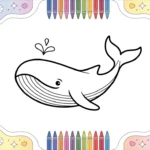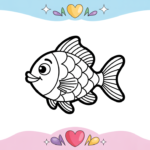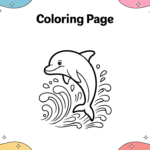
We offer a wide collection of free, high-quality printable coloring pages for kids and adults. From cute animals to intricate mandalas, our designs bring creativity and relaxation to everyone. Download, print, and start coloring today!

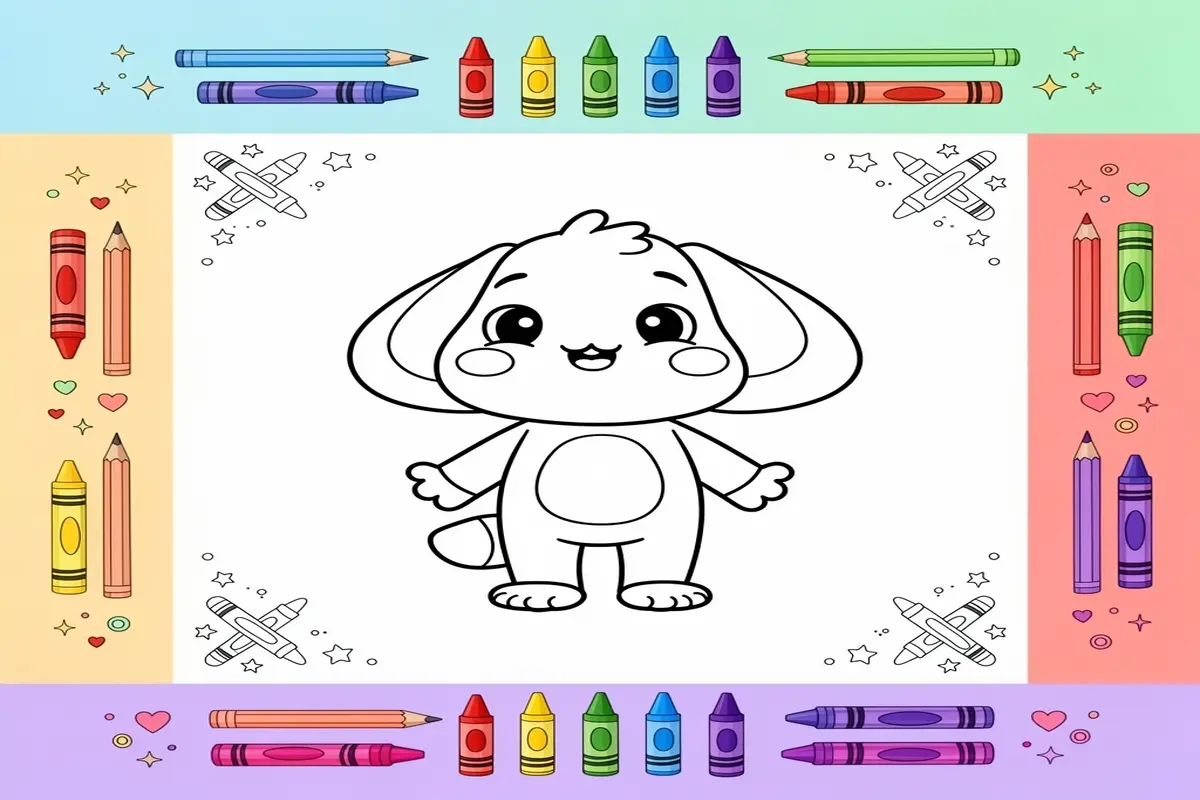
In a world of constant digital stimulation and fast-paced schedules, finding a simple, screen-free activity that genuinely nurtures a child’s well-being can feel like a rare treasure. Enter the humble coloring page, reimagined as a powerful tool for emotional regulation and creative expression. More than just a way to pass the time, therapeutic coloring pages for kids are designed with intention, offering a quiet sanctuary where focus is restored, anxiety is eased, and imagination is given free rein. The rhythmic motion of coloring within lines engages the brain’s focus centers while allowing the mind to wander peacefully, creating a perfect state of flow. This accessible art form provides a non-verbal outlet for processing big feelings, building fine motor skills, and fostering a sense of pride in creation. From the gentle giants of the sea found in our free whale coloring pages to the intricate patterns of abstract art, the right therapeutic coloring pages for kids can transform a moment of frustration into one of peaceful accomplishment, proving that healing and joy can be found in the simple act of adding color to a page.
The Mindful Magic: How Coloring Cultivates Inner Peace
The Science of Soothing Strokes
At its core, the therapeutic power of coloring is rooted in neuroscience. The activity demands just enough attention to occupy the brain’s prefrontal cortex—the area responsible for focus and problem-solving—which helps quiet the “default mode network” often associated with anxiety and rumination. This gentle cognitive shift is a form of active meditation, lowering heart rates and cortisol levels. For children who may not have the vocabulary to articulate stress, the focused, repetitive motion provides a tangible, calming rhythm, making therapeutic coloring pages for kids a practical tool for emotional self-regulation.
A Timeless Practice with Modern Purpose
While coloring is a timeless childhood pastime, its intentional use for wellness draws from a rich history of art therapy and mandala creation across cultures. Today, this practice has been expertly adapted for young minds. The themes are carefully curated; serene nature scenes, friendly animals, and positive affirmations are not chosen at random. They are designed to evoke feelings of safety, wonder, and positivity. This deliberate design transforms a simple activity into a guided journey toward calm, distinguishing modern therapeutic coloring pages for kids from their more generic counterparts.
Designed for Every Stage and Emotion
The beauty of this resource lies in its inclusivity. Whether for a preschooler learning to manage separation anxiety, a school-aged child navigating social complexities, or a child needing a quiet moment to decompress, there is a page that meets them where they are. Simpler designs with larger areas build confidence for little hands, while more detailed scenes offer a deeper, absorbing challenge for older children. Ultimately, these pages serve as a versatile, accessible toolkit for parents, educators, and therapists to support a child’s mental and emotional development through the universal language of creativity.
Professional Materials & Preparation for therapeutic coloring pages for kids
To maximize the calming and expressive benefits of therapeutic coloring pages for kids, the right materials and environment are crucial. This preparation transforms a simple activity into a focused, sensory-rich experience that supports emotional regulation and creative confidence. Investing in quality supplies ensures that children can fully engage with the process, whether they are working on intricate patterns or bold animal designs.
The Foundation: Choosing Paper for therapeutic coloring pages for kids
The paper is the canvas for your child’s emotional expression. Standard printer paper (20-24 lb) is sufficient for casual use, but for a more dedicated therapeutic practice, upgrade to heavyweight paper. Look for cardstock or mixed-media paper with a weight of 65-80 GSM or higher; this prevents bleed-through from markers and allows for layering and blending of colored pencils without tearing. A smooth surface (hot-press) is ideal for fine details and markers, while a slight tooth (cold-press) is better for pencil pigment adhesion. For projects meant to be displayed or gifted, consider archival-quality, acid-free paper to preserve the artwork. When printing your chosen designs, such as these intricate leopard coloring pages free printables, high-quality paper makes every detail stand out.
Best Coloring Tools: Markers vs. Pencils
The choice between markers and colored pencils significantly impacts the therapeutic experience. Colored pencils, particularly soft-core or oil-based varieties, offer superior control and are excellent for stress relief through detailed, repetitive shading. They encourage a slower, more mindful pace and are ideal for blending and creating gradients. Look for pencils with high pigment concentration for vibrant results without excessive pressure. Markers, such as fine-tip or brush-tip alcohol-based markers, provide immediate, saturated color and are wonderful for bold, expressive work. They can be more forgiving for children who find fine motor control challenging. However, water-based markers are a less-bleedy alternative for younger kids. A hybrid approach often works best: using pencils for detailed areas and markers for large, open spaces commonly found in therapeutic coloring pages for kids.
Finishing Touches: Gel Pens & Highlights
Elevate the completed artwork and add an extra layer of sensory satisfaction with specialty tools. Gel pens, especially in metallic, glitter, or neon inks, are perfect for adding highlights, tracing outlines, or filling in tiny details. They glide smoothly and can help a child add a personal, celebratory touch to their creation. White gel pens are indispensable for adding highlights on darker colors. Additionally, consider keeping a set of blending stumps (tortillons) for smoothing pencil work, a quality pencil sharpener, and a clean eraser for removing guide lines. These tools empower children to refine their work, fostering a sense of pride and accomplishment in their finished therapeutic coloring pages for kids.
Perfect Workspace: Lighting & Ergonomics
The physical setup is as important as the materials. Ensure the workspace is well-lit with natural light or a bright, neutral-white LED lamp to reduce eye strain and allow for accurate color perception. Ergonomics matter: choose a table and chair where the child’s feet can rest flat on the floor and their forearms can comfortably reach the work surface. A flat, hard surface underneath the paper is essential. Organize supplies within easy reach in cups or trays to minimize frustration and maintain the flow state. Finally, consider ambient elements—soft background music or quiet—to help create a consistent, calming ritual around the use of therapeutic coloring pages for kids.
Part 3: Elevating the Experience: Advanced Techniques for therapeutic coloring pages for kids
Moving beyond simple filling-in, advanced coloring techniques can transform a page from a flat image into a vibrant, textured masterpiece. These methods not only enhance the visual result but also deepen the mindful, therapeutic focus for the child. Mastering these skills with therapeutic coloring pages for kids turns a quiet activity into a powerful tool for building patience, attention to detail, and artistic confidence.
Harmonious Palettes: Color Theory for Calm and Energy
Understanding basic color relationships can guide a child’s choices to evoke specific moods, adding an intentional layer to the therapeutic process. For a calming session, suggest analogous colors—those next to each other on the wheel, like blues, blue-greens, and greens, perfect for serene scenes like our ocean coloring pages for kids. For energy and vibrancy, complementary colors (opposites on the wheel, like orange and blue) make elements pop. Encourage kids to plan a palette before starting, perhaps using a separate sheet to test combinations, fostering decision-making and foresight.
From Flat to 3D: Mastering Light and Shadow
Shading is the magic that brings dimension. Teach a simple three-step method:
1. Identify Your Light Source: Decide where the “sun” is. Everything facing it is lighter.
2. Layer Your Colors: Start with a base layer of your main color, applying light, even pressure.
3. Build Shadows: Using the same color or a slightly darker shade, apply gentle, additional layers on the sides opposite the light source. For rounded objects like a cute bear or an apple, shade in crescent shapes. This practice enhances fine motor control and observational skills.
Adding Realism: Creating Texture with Strokes
Texture makes a drawing feel tangible. Demonstrate how different stroke techniques can mimic real-world surfaces:
Fur or Grass: Use short, quick, overlapping strokes in the direction the hair grows.
Scales (like on a fish or leatherback sea turtle): Draw small, curved “U” shapes that overlap like shingles on a roof.
* Smooth Skin or Sky: Use small, tight, circular strokes to create an even, blended finish, avoiding visible lines.
This tactile focus is deeply absorbing, anchoring a child in the present moment—a core benefit of therapeutic coloring pages for kids.
The Art of Correction: Graceful Fixes for Coloring “Mistakes”
A perceived error can cause frustration. Reframe “mistakes” as creative opportunities. If color goes outside the line, suggest turning the stray mark into a new feature—a blade of grass, a sparkle, or a pattern border. For a heavily pressed, waxy area that won’t take new color, incorporate it as an intentional shadow. Using a white gel pen or crayon can add highlights on top of dark colors, effectively “correcting” by adding light. This problem-solving approach builds resilience and reinforces that the process, not just the product, holds value in their therapeutic coloring journey.
Showcasing Your Child’s Therapeutic Coloring Journey
Once your child has completed their therapeutic coloring pages for kids, the journey doesn’t have to end! Celebrating and displaying their artwork validates their effort and reinforces the positive feelings associated with the activity. It transforms a personal moment of calm into a shared source of joy and pride for the whole family.
Preserving Your Masterpiece: Archival Tips
To protect these special creations, consider simple preservation methods. For long-term display, use acid-free photo albums or archival-quality sheet protectors in a binder. You can also laminate favorite pieces to make them durable for play or as placemats. For a gallery wall, opt for UV-protective glass in frames to prevent fading from sunlight, ensuring your child’s colorful expressions of calm remain vibrant.
Beyond Display: Creative DIY Projects
Turn completed pages into meaningful gifts and keepsakes. A colored page can be carefully mod-podged onto a wooden box, a tray, or a bookmark. You can also cut out beautifully colored elements, like a serene whale from our free whale coloring pages, and glue them onto blank greeting cards or gift tags. This not only recycles the art but teaches children about giving and sharing the calm they’ve cultivated.
Your Guide to Therapeutic Coloring Pages for Kids
What are the benefits of coloring for kids?
Coloring offers a multitude of benefits for child development. It strengthens fine motor skills and hand-eye coordination as children learn to control crayons and stay within lines. It also boosts creativity, color recognition, and focus. On an emotional level, it provides a quiet, screen-free activity that encourages patience and self-expression, laying a foundation for therapeutic coloring pages for kids.
Does coloring help a child with anxiety?
Yes, coloring can be a powerful tool for managing anxiety in children. The rhythmic, repetitive motion of coloring has a calming effect on the amygdala, the brain’s fear center. It acts as a form of active meditation, pulling a child’s focus away from anxious thoughts and into the present moment, reducing stress hormones and creating a sense of peaceful control.
How does coloring help a child emotionally?
Coloring helps children process and express emotions they might not have words for. The choice of colors and the intensity of their strokes can reflect their inner state—calm blues or energetic yellows. It provides a safe, non-verbal outlet for feelings, builds confidence through task completion, and fosters mindfulness, which is why mindful therapeutic coloring pages are so valuable for emotional literacy.
What is the psychology behind coloring?
Psychologically, coloring induces a “flow state,” similar to meditation, where the mind is fully immersed in an activity. This state lowers brain wave patterns from active Beta to calmer Alpha states, reducing stress and anxiety. It also engages the logical left brain (with patterns and boundaries) and the creative right brain, promoting whole-brain integration and mental relaxation.
Why is coloring important for child development?
Coloring is a foundational activity for early childhood development. It directly supports pre-writing skills, grip strength, and dexterity. Cognitively, it teaches planning (color choice), problem-solving, and concentration. Socially and emotionally, it can be a shared activity that builds patience and pride, making it a holistic tool for growth beyond just creating pretty pictures.
The Lasting Impact of a Colorful Calm
The simple act of coloring is far more than just a way to pass the time. It’s a gateway for children to explore their creativity, build essential developmental skills, and, most importantly, discover a personal toolkit for emotional regulation. By integrating therapeutic coloring pages for kids into their routine, you offer them a lifelong resource for finding focus and tranquility amidst a busy world. Each finished page is not just art; it’s a testament to their growing abilities and inner peace.
Ready for your next adventure? Explore our cute calming coloring pages to continue nurturing your child’s serene creativity!