We offer a wide collection of free, high-quality printable coloring pages for kids and adults. From cute animals to intricate mandalas, our designs bring creativity and relaxation to everyone. Download, print, and start coloring today!

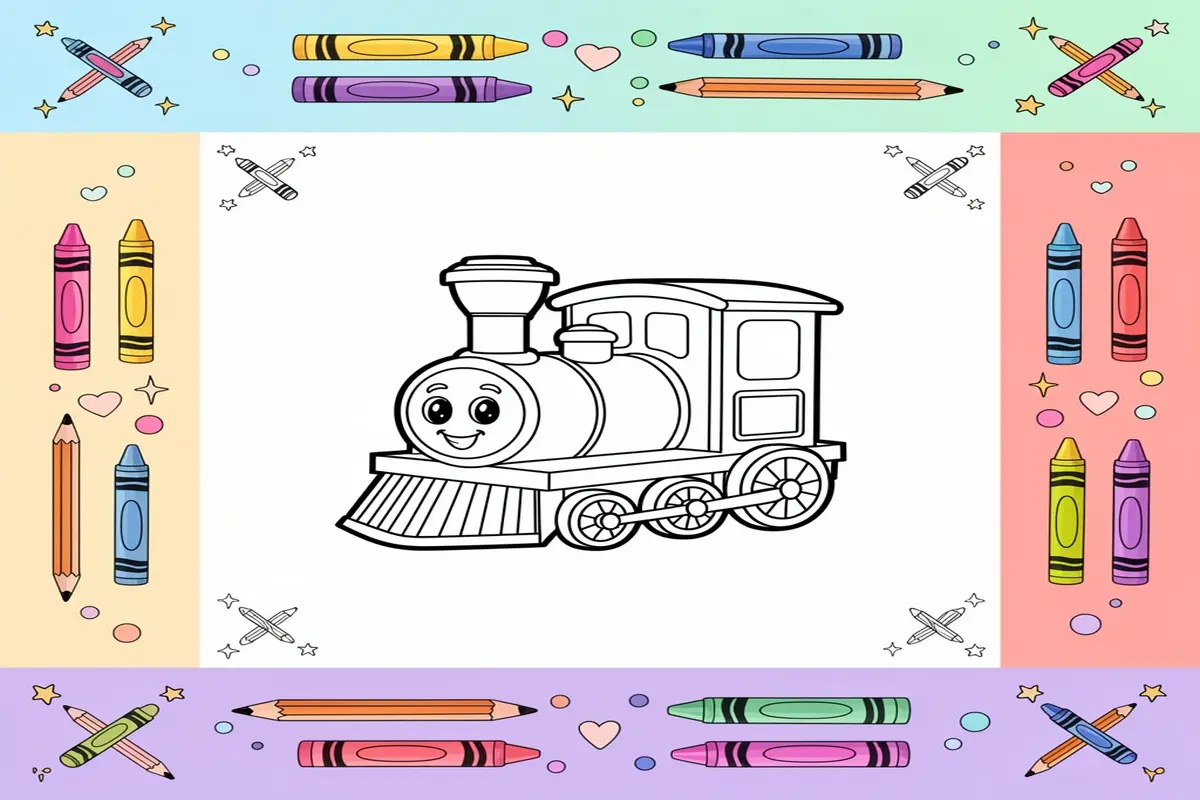
In a world saturated with digital noise, the simple act of coloring offers a profound sanctuary for young minds. It’s a tactile, imaginative journey where focus is honed and creativity is given the conductor’s hat. Among the vast landscape of artistic themes, train coloring pages for kids hold a unique and timeless appeal, chugging straight into the heart of childhood fascination. These pages are more than just outlines on paper; they are portals to adventure, engineering marvels in miniature, and a delightful challenge of color and design. The rhythmic chug-chug-choo-choo is almost audible as crayons meet the page, bringing powerful locomotives, quaint carriages, and scenic railways to vibrant life. For parents and educators seeking to expand a child’s artistic horizons beyond the rails, our collection of free dolphin coloring pages offers another wonderful avenue for underwater exploration. Yet, there’s something uniquely compelling about the mechanical charm and narrative potential of train coloring pages for kids that continues to captivate generation after generation.
The Psychology & Universal Appeal: More Than Just a Picture
Why does the image of a train hold such power in a child’s imagination? The answer lies at the intersection of psychology, history, and pure creative fun. Train coloring pages for kids tap into a deep-seated curiosity about how things work and the romance of travel to far-off places.
The Mindfulness of the Journey: Focus on the Tracks
Coloring, at its core, is a mindfulness exercise for children. The structured lines of a train engine, the repeating patterns of wheels and carriages, and the expansive scenery around the tracks provide a perfect framework for practicing concentration. As a child decides which car is the dining car (perhaps colored in warm yellows) or what landscape the train is passing through (a blue river, green mountains), they are fully immersed in the present moment. This focused engagement is a calming antidote to overstimulation, building patience and fine motor skills with every stroke of color.
A Cultural Canvas: From Steam Giants to Bullet Trains
The history of the train is the history of modern civilization, and coloring pages offer a child-friendly lens through which to view it. A simple sheet can spark conversations about the steam-powered giants of the Industrial Revolution, the sleek diesel engines of the mid-century, or the futuristic maglev trains of today. This thematic diversity makes train coloring pages for kids an unexpectedly rich educational tool. They are a cultural canvas where art meets history and engineering, allowing children to color their way through technological evolution.
Curated for Every Young Engineer
The beauty of this theme is its incredible accessibility. For the youngest toddlers, a big, chunky, smiling train with few details is a perfect start. Older children can tackle intricate illustrations of complex locomotives with realistic shading, detailed passenger cars, and elaborate backgrounds featuring tunnels, bridges, and station scenes. This scalability ensures that every child, regardless of skill level, can find a train coloring pages for kids project that feels both achievable and engaging, fostering a sense of pride and accomplishment with each completed masterpiece.
Part 2: Professional Materials & Preparation for Stunning Train Coloring Pages for Kids
To transform your child’s train coloring pages for kids from a simple activity into a masterpiece of focus and creativity, the right materials and setup are essential. This preparation not only enhances the final artwork but also improves the coloring experience, making it more enjoyable and developmentally beneficial. Investing in quality tools shows children that their creative efforts are valued.
The Foundation: Selecting Premium Paper for Train Coloring Pages for Kids
The paper you choose is the most critical, yet often overlooked, component. Standard printer paper (20-24 lb) is prone to bleeding and tearing, especially with markers. For train coloring pages for kids, upgrade to a heavier weight. Look for “marker paper” (around 70-80 lb) or mixed-media paper (90-100+ GSM). This heavier stock prevents bleed-through, allows for blending, and can handle erasing without pilling. If you plan to use wet mediums like watercolor pencils, a cold-press watercolor paper (140 lb) is ideal. For a fun thematic link, consider printing your train designs on paper with a slight texture to mimic the feel of steam or railway grit.
Best Coloring Tools: A Detailed Medium Comparison
The choice between markers, colored pencils, and crayons dramatically affects the outcome of your locomotive scenes.
Colored Pencils (Professional Grade): The top choice for detail and control. Wax-based pencils (like Prismacolor Premier) offer vibrant, blendable layers perfect for creating metallic sheens on train engines. Oil-based pencils provide a harder lead for finer details like rivets, track ties, and intricate wheel designs. They are excellent for teaching pressure control and shading techniques.
Markers (Alcohol vs. Water-Based): Alcohol-based markers (e.g., Copic, Ohuhu) provide seamless, bleed-free blends ideal for large, smooth surfaces like train car bodies and skies. Water-based markers (like Crayola Super Tips) are more affordable and kid-friendly but can bleed on lighter paper. Use them for bold, flat areas of color.
Crayons & Gel Crayons: Traditional crayons are great for young children for their durability and ease of use. Gel crayons offer an opaque, paint-like finish that can layer over other mediums, useful for adding smoke or steam effects.
Finishing Touches: Gel Pens, Highlights, and Outlines
Elevate the completed train coloring pages for kids with detailing tools. White gel pens (Sakura Gelly Roll) are indispensable for adding highlights to windows, creating steam plumes, or drawing reflections on wet-looking tracks. Metallic gel pens in silver and gold can bring lanterns, bells, and metal trim to life. Fine-line archival ink pens (like Micron) are perfect for redefining outlines that may have become obscured during coloring or for adding intricate patterns to train cars. A colorless blender marker can smooth pencil or marker gradients for a professional look.
Perfect Workspace: Optimizing Lighting and Ergonomics
A proper workspace ensures comfort and allows for prolonged focus, which is key for detailed projects like coloring a complex steam engine or a detailed safari train scene. Lighting is paramount; a bright, white LED desk lamp that eliminates shadows and reduces eye strain is ideal. Ensure the chair and table height allow the child’s feet to rest flat and their elbows to be at a 90-degree angle. Use a clipboard or tape the paper down to prevent slipping. Keep tools organized in cups or trays—this not only maintains order but also teaches responsibility for materials. Having a dedicated space for train coloring pages for kids signals that creative time is important and respected.
Mastering train coloring pages for kids: Advanced Techniques for Stunning Results
Ready to transform those simple outlines into vibrant masterpieces? Moving beyond basic filling, these advanced techniques will help kids (and adults!) achieve professional-looking results with their train coloring pages for kids. This section focuses on color theory, depth, and texture to bring locomotives, landscapes, and scenes to life. For more detailed animal companions to add to your train’s journey, explore our farm animal coloring pages or the wildlife in our safari coloring pages for kids.
Harmonious Palettes: Color Theory for Dynamic Trains
Understanding basic color relationships can elevate any project. For train coloring pages for kids, try these schemes:
Complementary Colors: Use opposites on the color wheel for high-energy contrast. A bright blue steam engine with pops of orange in the wheels or details creates exciting visual tension.
Analogous Colors: Choose colors next to each other for a harmonious, realistic look. A green locomotive with blue and yellow accents feels cohesive and natural, perfect for a countryside scene.
Monochromatic Magic: Explore different shades and tints of a single color. A grey train, from light silver highlights to deep charcoal shadows, can look incredibly sophisticated and teach valuable lessons in shading.
From Flat to 3D: Mastering Shading and Depth
The key to making a train look solid is shading. Guide your artist through this simple step-by-step process:
1. Identify Your Light Source: Decide where the sun is. Everything facing that light will be brightest.
2. Apply Base Colors: Fill in each section with its main, medium-tone color.
3. Add Shadows: Using a slightly darker shade of your base color, apply gentle pressure to the sides of the train cars opposite the light, under the roof, and beneath details like rivets.
4. Create Highlights: With a lighter shade or by leaving small white areas, add shine to the tops of wheels, along the boiler, and on curved surfaces facing the light.
Adding Realism: Texture Techniques for Trains and Landscapes
Different materials require different coloring strokes:
Shiny Metal (Engine Boiler): Use smooth, long strokes with strong contrast between very light highlights and dark shadows. Leave a thin, white “shine line” for a polished effect.
Rustic Wood (Train Cars): Use short, slightly uneven strokes in varying browns and oranges. Overlap them to create a wood-grain texture.
Smoke and Sky: For billowing steam or clouds, use a cotton swab or your fingertip to softly blend light greys and blues outward, keeping the edges soft and wispy. This technique is also perfect for creating beautiful skies in any scene, much like those in our landscape coloring pages for kids.
The Art of Correction: Gracefully Fixing Coloring Mistakes
Mistakes are part of the creative process! Here’s how to handle them:
Waxy Crayon Smudges: Gently scrape off excess wax with a blunt edge, then place a plain paper over the area and iron on low heat. The wax will transfer to the top sheet.
Colored Pencil Outside the Lines: Use a white eraser or a specialized colored pencil eraser to clean up edges. For small, intricate areas, a kneaded eraser can be shaped to a point.
Turning a Mistake into a Feature: An accidental dark mark on a train car can become a shadow, a rust spot, or a painted-on detail. Encourage creative problem-solving—it’s how unique artistic styles are born.
Showcasing Your Train Coloring Pages for Kids: Creative Display Ideas
Once your young engineer has completed their masterpiece, it’s time to celebrate their creativity! Moving beyond the coloring book, displaying their work builds confidence and transforms their art into a cherished part of your home.
Preserving Your Masterpiece: Archival Tips
To ensure those vibrant locomotives stay looking fresh, consider simple preservation methods. For long-term keepsakes, use acid-free glue sticks to mount pages on construction paper before framing. Laminating sheets are perfect for frequently handled art, making pieces durable and smudge-proof. A simple portfolio or large binder with clear sleeves creates a growing gallery of their work, beautifully documenting their artistic journey over time.
Beyond Display: Creative DIY Projects
Turn completed train coloring pages for kids into functional art and heartfelt gifts. Carefully cut out the colored train and glue it onto a folded cardstock to create a unique greeting card. For a fun bookmark, laminate a thin strip of the artwork and punch a hole at the top for a ribbon. You can also decoupage several pages onto a small wooden box or picture frame, creating a custom, train-themed treasure chest for small toys or special mementos. For more animal-themed crafting fun, check out our free Zoo Coloring Pages.
Your Train Coloring Pages for Kids Questions Answered
How do you draw a train step by step?
Start with simple shapes: a rectangle for the main body (boiler) and a smaller one for the cabin. Add circles for wheels and a chimney. Connect them with lines, then add details like windows, a cowcatcher, and tracks. Encourage kids to look at pictures of real trains or other coloring pages for inspiration on details and colors.
Where can I find free printable train coloring pages?
You can find a wonderful variety of free, high-quality printable train coloring pages for kids right here on our site! We offer everything from simple cartoon engines to detailed steam trains, all available for instant download and printing. Libraries and educational websites are also excellent resources for free printables.
What are the benefits of coloring for children?
Coloring boosts fine motor skills and hand-eye coordination as children learn to stay within lines. It fosters creativity, color recognition, and focus. It’s also a fantastic, screen-free activity for emotional expression and stress relief, providing a calm and mindful break in a busy day.
What colors are trains usually painted?
Trains come in many colors! Classic steam engines are often black, with red or brass accents. Modern diesel locomotives can be blue, yellow, red, or green. Freight cars are famously varied—silver, brown, red, or blue. When using train coloring pages for kids, encourage creativity; maybe their train is rainbow-colored or sparkly purple!
At what age should a child start coloring?
Children can start exploring with chunky crayons around 18 months to 2 years old, focusing on scribbling and sensory experience. By ages 3-4, they begin to make more controlled marks and can enjoy simple, large-image coloring pages. Always follow the child’s interest and motor skill development, making it a fun, pressure-free activity.
Final Thoughts: Your Train Coloring Pages for Kids Journey Begins
The journey with train coloring pages for kids is about so much more than filling in lines. It’s an adventure in creativity, a lesson in patience, and a joyful way to connect. Each page completed is a testament to your child’s growing skills and imagination, a tiny masterpiece with its own story. We hope this guide has inspired you with new ideas for displaying, preserving, and celebrating these wonderful creations.
Remember, every artist starts with a single stroke of color. So, provide the pages, offer the crayons, and watch as your child’s confidence chugs full steam ahead. Ready for your next creative adventure? Explore our Tractor Coloring Pages for Kids for more vehicle-themed fun!