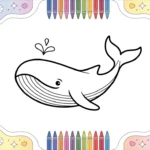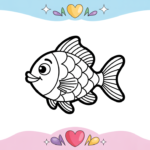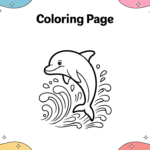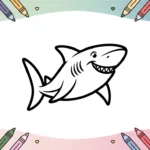
We offer a wide collection of free, high-quality printable coloring pages for kids and adults. From cute animals to intricate mandalas, our designs bring creativity and relaxation to everyone. Download, print, and start coloring today!

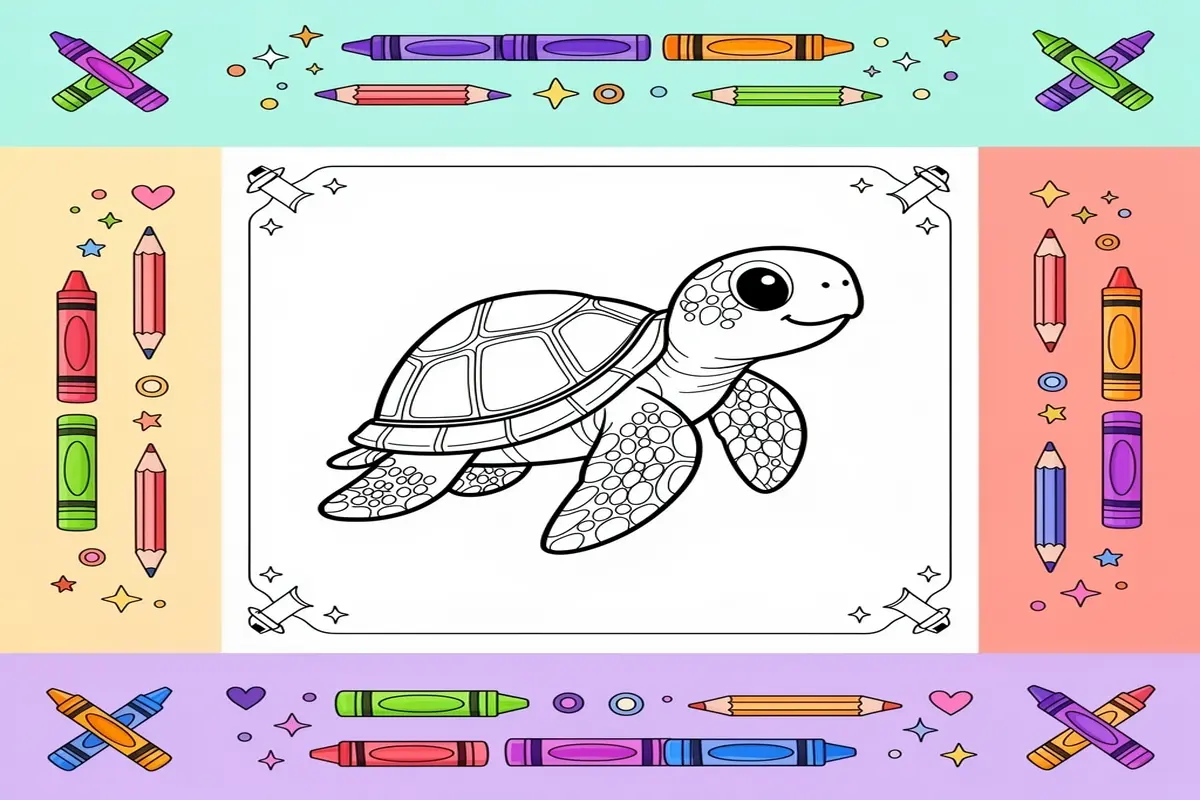
In a world of constant digital stimulation, the simple act of coloring offers a profound sanctuary for young minds. It’s a tactile, screen-free adventure where imagination sets the rules and every stroke of color builds confidence. Among the most captivating subjects for this creative exploration are turtles—ancient, gentle creatures that symbolize wisdom, patience, and resilience. Introducing children to turtle coloring pages for kids is more than just a pastime; it’s an invitation to explore underwater worlds, learn about fascinating reptiles, and develop fine motor skills in a joyful, pressure-free environment. These pages serve as a perfect gateway into the broader universe of animal-themed art, much like our collection of free dolphin coloring pages, offering endless opportunities for artistic expression and quiet focus. Whether depicting a sea turtle gliding over coral or a tiny hatchling scurrying to the ocean, turtle coloring pages for kids provide a unique blend of education and enchantment.
The Timeless Allure: Why Turtles Captivate Young Artists
The Psychology of Shells and Stories: Engagement Through Symbolism
Turtles are inherently storytelling creatures. Their iconic shells, textured skin, and serene demeanor provide a rich visual and narrative canvas that immediately engages a child’s curiosity. Coloring a turtle isn’t just about filling in shapes; it’s about deciding the pattern of a carapace, the hue of the ocean depths, or the expression in a wise, old eye. This process fosters decision-making and creative storytelling. The very act of focusing on the intricate details of a turtle coloring page for kids promotes mindfulness, helping to quiet the busy mind and improve concentration. It’s a meditative exercise disguised as play, where the repetitive motion of coloring within lines can be incredibly soothing and satisfying.
From Ancient Reptiles to Artistic Inspiration: A Natural History Connection
Turtles have roamed the earth for over 200 million years, making them a living link to the prehistoric past. This fascinating natural history provides a built-in educational component when a child picks up their crayons. Are they coloring a leatherback sea turtle, the largest of its kind? Or perhaps a colorful pond terrapin? Each turtle coloring page for kids can spark conversations about habitats, conservation, and biodiversity. This seamless blend of art and science transforms a coloring session into an immersive learning experience, nurturing a child’s respect for nature and its incredible inhabitants.
A Spectrum for Every Skill Level: Inclusivity in Creativity
The beauty of turtle coloring pages for kids lies in their incredible versatility. For the youngest artists, simple, bold outlines of friendly cartoon turtles build confidence and pencil grip. For older children and even adults seeking a shared activity, more detailed and realistic illustrations offer a challenging and rewarding artistic endeavor. This range ensures that every child, regardless of age or ability, can find a page that meets them at their skill level, ensuring a positive and frustration-free creative experience. The subject matter is universally appealing, making these pages a perfect tool for family bonding, classroom activities, or peaceful solo play.
Professional Materials & Preparation for Turtle Coloring Pages for Kids
Before your young artist dives into the wonderful world of turtle coloring pages for kids, having the right materials and a prepared workspace is crucial for a successful and enjoyable experience. Proper preparation not only enhances the final artwork but also fosters a sense of care and respect for the creative process. This section will guide you through selecting professional-grade supplies and setting up an ideal coloring environment.
The Foundation: Selecting Paper for Turtle Coloring Pages for Kids
The paper you choose is the single most important material decision. For standard crayon or colored pencil work on turtle coloring pages for kids, a smooth, bright white paper around 100-120 GSM (grams per square meter) is ideal. It provides enough tooth for pencil layering without causing excessive wear on tips. For markers, especially alcohol-based ones, heavyweight marker paper (around 160 GSM) or bleed-proof paper is essential to prevent colors from soaking through and ruining the page or the surface beneath. If you’re printing at home, consider investing in a ream of premium inkjet paper for sharper lines and better color hold. For a special project, such as creating a sea-themed display, you might pair your turtle artwork with complementary sea animals coloring pages printed on the same high-quality paper for a cohesive look.
Best Coloring Tools: Markers vs. Pencils for Detailed Shells
The choice between markers and colored pencils often depends on the desired outcome and the child’s skill level. Colored pencils, particularly wax-based ones, offer superior control for intricate details on a turtle’s shell scutes. They are excellent for layering and blending colors to create realistic textures and gradients. Look for pencils with soft, pigmented cores. Markers, on the other hand, provide vibrant, solid blocks of color perfect for bold, graphic designs. For turtle coloring pages for kids, water-based markers are less messy, but alcohol-based markers (used with supervision and ventilation) offer seamless blending capabilities. A hybrid approach is often best: using pencils for detailed shell work and markers for the surrounding ocean or sand.
Finishing Touches: Gel Pens, White Highlights, and Outliners
Elevate the artwork from simple to stunning with a few specialized tools. Gel pens, especially in metallic silver, gold, or white, are perfect for adding shimmering details to underwater scenes or highlighting bubbles and light reflections on the turtle’s shell. A white gel pen or a white colored pencil is indispensable for creating highlights on the turtle’s eyes and wet-looking skin, adding dimension and life. For children who want to define their shapes more clearly, a black fine-liner or a specialized “outliner” marker can be used to trace over the printed lines, making them bolder and more resistant to color bleed from adjacent areas.
Perfect Workspace: Ergonomic Setup and Optimal Lighting
A proper workspace maximizes comfort and minimizes frustration. Ensure the coloring surface is stable and at an appropriate height to prevent hunching. For younger children, a tilted desk surface can improve posture and visibility. Lighting is critical; natural daylight is best, but a bright, white LED desk lamp that eliminates shadows and reduces eye strain is an excellent alternative. Organize supplies within easy reach using cups for pencils and markers. Placing a scrap sheet of paper under the child’s hand can prevent smudging, especially when working with pencil-heavy turtle coloring pages for kids. Finally, protect your table surface with a large craft mat or a simple piece of cardboard, creating a dedicated zone where creativity can flow without worry.
Part 3: Elevating Your Art: Advanced Techniques for Turtle Coloring Pages for Kids
Ready to transform those simple outlines into stunning works of art? This section moves beyond basic coloring to explore professional techniques that will bring your turtle coloring pages for kids to life. These methods are perfect for parents and teachers guiding young artists toward more detailed and satisfying results.
Harmonious Palettes: Color Theory for Aquatic Scenes
Understanding basic color relationships can make your turtle’s world pop. For a turtle’s shell, try an analogous palette—colors next to each other on the wheel, like greens, blue-greens, and yellows. This creates a natural, harmonious look. For a more dynamic scene, use complementary colors (opposites on the wheel). Imagine a vibrant orange sea star or a purple jellyfish next to a green turtle; the contrast makes both elements stand out. Don’t forget the beautiful blues and teals found in our ocean coloring pages for inspiring underwater backgrounds.
From Flat to 3D: Mastering Simple Shading
Shading adds instant depth and realism. First, choose a light source direction (e.g., the top left). Then, apply lighter pressure with your pencil or crayon on the areas the light would hit directly, like the top curve of the turtle’s shell and head. Gradually increase pressure to create darker tones in shadowed areas, such as under the shell’s rim, the neck, and the side flippers farthest from the light. Blend the transition between light and dark with a gentle, circular motion or a blending tool for a smooth, rounded effect.
Adding Realism: Texture Techniques for Shell and Skin
A turtle’s texture is key to its character. For the scaly skin on legs and head, use tiny, overlapping “U” shapes or dots with a sharp-colored pencil. For the iconic shell, start by lightly outlining the scutes (the individual plates). Within each scute, try stippling (small dots) or cross-hatching (fine intersecting lines) to suggest a rough, bony texture. For a wet, slick look, like on a leatherback sea turtle, use long, smooth, uninterrupted strokes with a waxy crayon or layer colored pencils thinly to create a glossy shine.
The Art of Correction: Gracefully Fixing Coloring Errors
Mistakes are part of the process! For small slips outside the lines, a white gel pen can be a miracle worker for precise cover-ups. If an area becomes too dark or muddy, try gently lifting color with a kneaded eraser—it can be molded to a point for accuracy. Sometimes, the best fix is to incorporate the error: a stray mark can become a bubble, a seaweed strand, or a pebble on the ocean floor. Encourage young artists to see “happy accidents” as creative opportunities, building confidence with every turtle coloring page for kids they complete.
Showcasing Your Turtle Coloring Pages for Kids: Creative Display Ideas
Once your young artist has completed their turtle coloring pages for kids, it’s time to celebrate their work! Moving beyond the coloring book, displaying their art boosts confidence and turns their effort into a source of daily pride. Here are inspiring ways to honor their creativity.
Preserving Your Masterpiece: Archival Tips
To ensure those colorful turtles last, consider simple preservation methods. For special pieces, use acid-free sheet protectors in a binder to create a growing art portfolio. You can also carefully laminate pages for durability, making them spill-proof for the fridge or playroom wall. For a classic look, mount the finished page on slightly larger construction paper with a colorful border for an instant, framed effect.
Beyond Display: Creative DIY Projects
Transform completed coloring pages into meaningful gifts and keepsakes. Create custom greeting cards by folding a colored page in half and writing a message inside. For a fun reading companion, laminate and cut out a small turtle to make a unique bookmark. You can also decoupage several pages onto a plain wooden box or picture frame, creating a beautiful, personalized treasure chest for small toys. For more ocean-themed crafting inspiration, explore our collection of fish coloring pages.
Your Turtle Coloring Pages for Kids Questions Answered
How do you color a realistic turtle?
Start with reference photos! Use layered colors: a base of olive green or brown, then add darker shades in the shell’s center and limb crevices for depth. Lightly blend yellow or tan on the shell’s high points and limbs. Fine-tipped markers or colored pencils are perfect for adding the intricate patterns on a turtle’s scutes and skin texture.
What are the benefits of coloring for kids?
Coloring is a powerhouse activity. It develops fine motor skills and hand-eye coordination, essential for writing. It fosters creativity, color recognition, and focus. It also serves as a calming, screen-free outlet that reduces anxiety and builds patience. Completing a page provides a great sense of accomplishment, boosting self-esteem.
Where can I find free turtle coloring pages?
You can find a wonderful variety of free, high-quality turtle coloring pages for kids right here on our website! We offer everything from simple outlines for toddlers to detailed turtle coloring pages for kids featuring different species. Simply browse, download, and print for endless creative fun.
What colors are sea turtles?
Sea turtle colors vary by species. The iconic green sea turtle has a heart-shaped shell in shades of olive, brown, and black. Loggerheads are typically reddish-brown. Hawksbills have stunning, overlapping scutes in amber, brown, and gold. Leatherbacks are dark grey or black with white or pale spots. Remember, creativity is key with turtle coloring pages for kids!
Is coloring good for fine motor skills?
Absolutely. Coloring strengthens the small muscles in the hands and fingers as children learn to grip and control crayons or pencils. The precise movements required to stay within lines and apply varying pressure directly enhance dexterity and pencil control, providing a foundational skill for handwriting and other detailed tasks.
Final Thoughts: Your Turtle Coloring Pages for Kids Journey Begins
The journey with turtle coloring pages for kids is about so much more than filling in lines. It’s an adventure in creativity, a quiet moment of focus, and a tangible way to celebrate your child’s growing skills. Each page completed is a story told in color, a boost of confidence, and a cherished memory in the making. We hope these ideas for display, DIY projects, and learning have inspired you to see every finished turtle as a masterpiece worthy of celebration.
Ready for your next adventure? Explore our ocean coloring pages to dive deeper into the wonders of the sea!