We offer a wide collection of free, high-quality printable coloring pages for kids and adults. From cute animals to intricate mandalas, our designs bring creativity and relaxation to everyone. Download, print, and start coloring today!

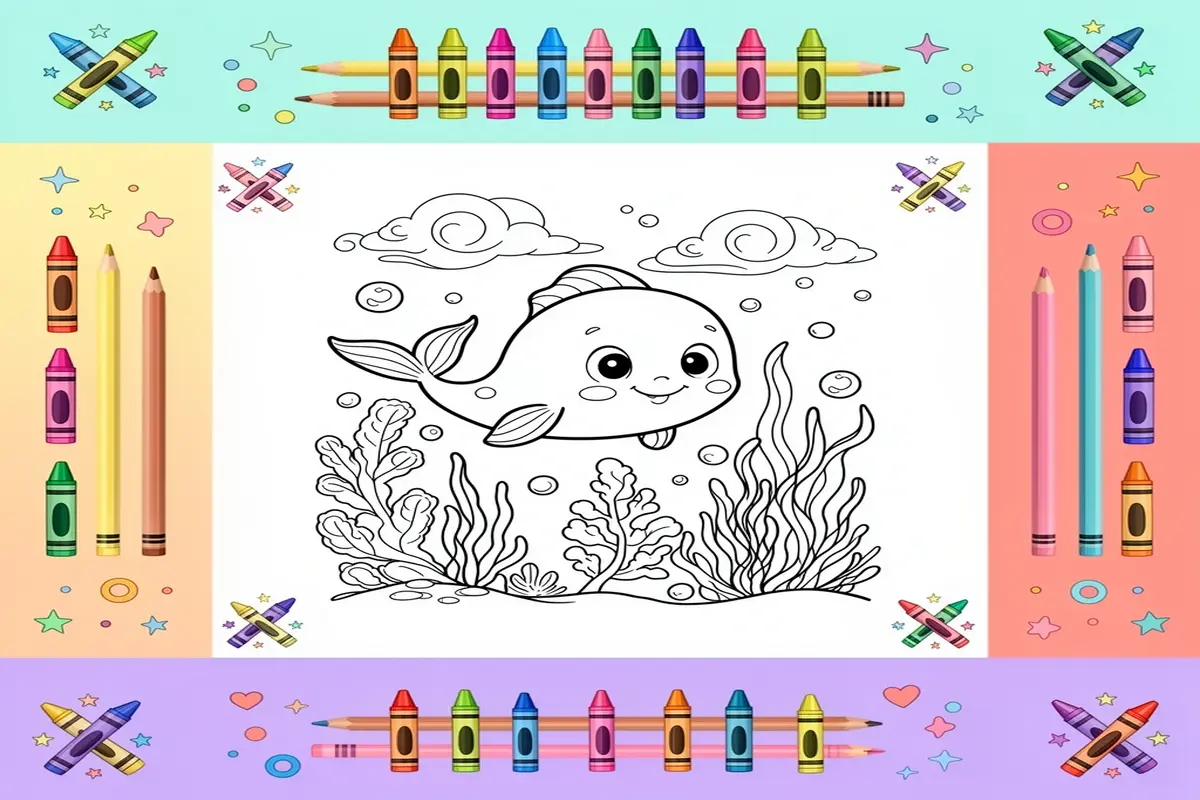
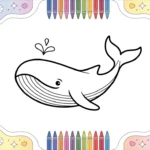
Dive into a world of serene creativity and boundless imagination. In our fast-paced lives, the simple act of coloring offers a rare sanctuary—a moment of calm focus where the mind can wander as freely as a dolphin through the waves. This is the unique magic offered by under the sea coloring pages for kids. More than just a pastime, these intricate scenes of coral kingdoms and graceful marine life provide a portal to an underwater universe, fostering both artistic expression and a deep sense of tranquility. From the gentle arc of a humpback whale to the intricate tentacles of a curious octopus, each page is an invitation to explore, learn, and relax. Whether you’re seeking a mindful escape or a fun, educational activity for a young explorer, our collection of under the sea coloring pages for kids serves as your creative compass. Begin your oceanic adventure with our majestic collection of free whale coloring pages, where giants of the deep await your palette.
Part 1: The Ocean’s Allure: Psychology & Timeless Appeal
What is it about the aquatic world that captivates us so completely? The appeal of under the sea coloring pages for kids is rooted in a powerful blend of psychology, natural wonder, and artistic challenge. This theme transcends age, offering layers of engagement for the casual colorist and the dedicated artist alike.
The Blue Mind: Why Water Scenes Soothe the Soul
Science points to the ‘Blue Mind’ effect—a meditative state triggered by proximity to water, characterized by calm, peace, and a sense of general happiness. Coloring intricate seascapes taps directly into this phenomenon. The fluid lines of fish, the organic shapes of coral, and the vast, open backgrounds mimic the peaceful, rhythmic qualities of the ocean itself. Focusing on filling a school of tropical fish or the patterned shell of a sea turtle induces a flow state, quieting mental chatter and reducing stress. It’s a form of visual therapy, where the choice between azure, teal, and cerulean becomes a mindful practice in presence.
A Dive Through History: Humanity’s Enduring Oceanic Fascination
The sea has always been a canvas for human myth and exploration. From ancient mariners’ maps adorned with sea monsters to the breathtaking scientific illustrations of the Victorian era, depicting marine life has been a way to understand and marvel at the unknown. Modern under the sea coloring pages for kids continue this tradition, democratizing the beauty of marine biology and oceanography. They serve as a cultural bridge, connecting colorists to the timeless human quest to explore the depths, making every colored page a personal contribution to this long-standing artistic voyage.
From Tide Pools to the Abyss: Curated for Every Explorer
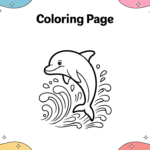
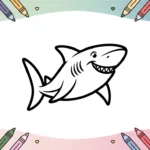
The true genius of this theme lies in its incredible range. For young children, friendly, smiling dolphins and simple clownfish scenes build confidence and fine motor skills. For older kids and adults, hyper-detailed illustrations of coral reef ecosystems or the powerful silhouette of a great white shark present a satisfying challenge. There are pages showcasing the ethereal glow of jellyfish, the armored elegance of a lobster, and the prehistoric wonder of a leatherback sea turtle. This diversity ensures that everyone, from the novice holding their first crayon to the expert with a set of artist-grade pencils, can find a page that calls to them, making the world of under the sea coloring pages for kids universally inviting and endlessly engaging.
Part 2: Essential Materials & Preparation for Stunning under the sea coloring pages for kids
To transform your child’s under the sea coloring pages for kids from a simple activity into a vibrant, engaging, and educational art project, the right materials and setup are key. Proper preparation not only enhances the final artwork but also improves the coloring experience, fostering better focus and creativity. This guide outlines the professional-grade supplies and preparatory steps that parents and educators should consider to help young artists bring their oceanic scenes to life.
The Foundation: Selecting Premium Paper for under the sea coloring pages for kids
The paper you choose is the single most important factor in coloring success. Standard printer paper (20-24 lb/75-90 GSM) is prone to bleeding and warping with most wet mediums. For under the sea coloring pages for kids, which often feature large areas of blue and intricate details like coral or fish scales, upgrade to a heavier weight. Look for smooth Bristol paper (100+ GSM) or marker-specific paper, which has a slight coating to prevent bleed-through. For a mixed-media approach, a medium-tooth drawing paper (98-110 GSM) is ideal for colored pencils, allowing for better pigment layering and blending to create realistic ocean depth and texture.
Best Coloring Tools: A Detailed Medium Comparison
The choice between markers, pencils, and crayons dramatically affects the outcome of sea life scenes.
Alcohol-Based Markers: (e.g., Copic, Ohuhu) Provide seamless, bleed-free blends perfect for creating the fluid gradients of ocean water or a whale’s sleek skin. They are professional-grade but require the heavier paper mentioned above.
Colored Pencils: Wax-based (Prismacolor) pencils offer rich, blendable color for detailed work on seahorses or turtle shells, while oil-based (Faber-Castell Polychromos) provide fine points for sharp details on shark teeth or fish scales. They are excellent for teaching pressure control and layering.
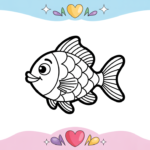
* Water-Based Markers & Crayons: These are the most child-friendly and low-mess options. Water-based markers can be used with a wet brush to create beautiful watercolor effects for the ocean backdrop, while high-pigment crayons allow for bold, expressive coloring. For a vast selection of sea creature templates, explore our dedicated collection of fish coloring pages, perfect for testing different mediums.
Finishing Touches: Gel Pens, Highlights, and Details
The magic of an underwater scene is often in the details. A set of white and metallic gel pens is indispensable for adding bubbles, light reflections on the water’s surface, and shiny details on scales or a lobster’s shell. For a truly luminous effect, consider a light-reflecting medium like iridescent or pearlescent crayons to mimic the otherworldly glow of a jellyfish or anglerfish. A fine-tip black pen can also be used to redefine outlines that may get lost during vigorous coloring, ensuring every octopus tentacle and dolphin fin remains crisp.
Creating the Perfect Workspace: Ergonomics and Lighting
A proper workspace prevents fatigue and allows children to focus on the intricate details of their under the sea coloring pages for kids. Ensure the coloring surface is stable and at a comfortable height to promote good posture. Natural, north-facing light is ideal, but if that’s not available, a bright, white LED desk lamp that minimizes glare and eye strain is an excellent alternative. Keep supplies organized in cups or trays—this not only makes the process smoother but also teaches valuable organizational skills. Lay down a protective mat or newspaper to safeguard your table, especially when using permanent markers or wet techniques to create those deep, immersive ocean blues.
Part 3: Elevating the Ocean: Advanced Techniques for Under the Sea Coloring Pages for Kids
Ready to transform a simple page into a stunning underwater masterpiece? Moving beyond basic fills, these professional techniques will help kids (and adults!) add incredible depth, realism, and vibrancy to their under the sea coloring pages for kids. This is where creativity truly comes to life.
Harmonious Palettes: Color Theory for Underwater Worlds
Understanding basic color relationships can make artwork pop. For ocean scenes, two schemes work wonders. Analogous colors (those next to each other on the wheel, like blues, greens, and teals) create serene, realistic water and backgrounds. Complementary colors (opposites, like orange and blue) are perfect for making a bright clownfish or a vibrant coral stand out against the blue sea. Encourage young artists to plan a palette before starting—will their scene be a cool, deep abyss or a warm, sunlit reef?
From Flat to 3D: Mastering Light and Shadow
Shading is the secret to making a whale look massive or a seahorse look rounded. First, imagine a light source, like the sun at the water’s surface. The sides of creatures facing the light are lighter; the opposite sides are darker. Start with a base color, then apply gentle, layered pressure to add a medium tone in shadow areas, and finally a deep tone along the darkest edges. Use a blending tool, a white colored pencil, or even a gentle finger-smudge to soften transitions for a truly three-dimensional effect.
Adding Realism: Creating Aquatic Textures
Different sea creatures demand different textural techniques. For the smooth, rubbery skin of a dolphin, use even, smooth strokes. For the rough, craggy shell of a lobster, use small, sharp, scribbled circles. To create the gelatinous, translucent body of a jellyfish, try light, overlapping circular motions with a lighter color, leaving strategic white spaces for highlights. Experiment with stippling (tiny dots) for sandy ocean floors or short, quick strokes to suggest the scaly skin of a fish.
The Art of Graceful Correction: Fixing Coloring Mistakes
Even professional artists make “happy accidents,” but knowing how to fix a slip is empowering. If a color goes outside the lines, gently use a white gel pen or a sharpened white colored pencil to redefine the edge. For lightening a color that was applied too dark, carefully layer a lighter color on top—yellow can soften a too-dark green, for instance. If blending becomes muddy, let the page rest, then come back and add a fresh, clean layer of the dominant color on top to revive its brightness. Remember, in the ocean, many textures are irregular, so a small “mistake” can often be incorporated as a unique pattern or shadow!
Showcasing Your Under the Sea Coloring Pages for Kids: Creative Display Ideas
Once the vibrant blues, greens, and corals have filled the page, the fun doesn’t have to stop! Transforming your child’s artwork into a source of pride and joy is the perfect next step. These creative ideas will help you celebrate their oceanic masterpieces and inspire them to keep exploring their artistic talents.
Preserving Your Masterpiece: Archival Tips
Protecting your child’s artwork ensures it can be enjoyed for years. For a professional finish, consider using acid-free paper when printing your under the sea coloring pages for kids. Store flat, finished pages in a portfolio or between sheets of parchment paper to prevent smudging and creasing. For a more permanent display, a simple, inexpensive frame can turn any coloring page into gallery-worthy wall art for their bedroom or playroom.
Beyond Display: Creative DIY Projects
Take the artwork off the fridge and into the world of crafts! Laminate a colored page and punch a hole in the top to create a beautiful, durable bookmark. You can also cut out individual sea creatures, like the friendly ones from our free dolphin coloring pages, and glue them onto folded cardstock to make unique, personalized greeting cards. For a grand project, create an underwater mural by arranging several colored pages together on a large backdrop.
Your Under the Sea Coloring Pages for Kids Questions Answered
Where to find free under the sea coloring pages?
You can find a wonderful variety of free, high-quality pages on dedicated educational and creative websites like Safari Coloring. We offer numerous printable options, from gentle sea turtles to majestic whales, all designed specifically for young artists. Simply browse, download, and print to start your underwater adventure.
How do you color an underwater scene?
Start with a light blue wash for the water background. Use varying shades of blue and green to create depth. For sea creatures, reference real-life colors or encourage imaginative, bright palettes. Add details like bubbles, seaweed, and sandy ocean floors with browns and greens. Don’t forget to color the coral reefs in vibrant pinks, oranges, and purples!
What are the benefits of coloring for kids?
Coloring enhances fine motor skills and hand-eye coordination. It serves as a calming, mindful activity that reduces stress and improves focus. It also boosts creativity, color recognition, and confidence as children complete their artwork. It’s a fantastic screen-free way to learn about themes like ocean life.
What sea animals are best for coloring pages?
The best sea animals for coloring pages have distinctive shapes and interesting textures. Great choices include dolphins, whales, sharks, octopuses, sea turtles, and jellyfish. These creatures offer a mix of simple outlines for beginners and more detailed patterns for advanced colorists, making them perfect for a collection of under the sea coloring pages for kids.
What is the best paper for coloring pages?
For crayons and colored pencils, a slightly textured medium-weight paper (like standard printer paper or drawing paper) works well. For markers, use a smoother, heavier paper (like cardstock) to prevent bleeding. If you plan to use wet mediums like watercolors, always opt for thick watercolor paper to avoid wrinkling.
Final Thoughts: Your Under the Sea Coloring Pages for Kids Journey Begins
Diving into the world of under the sea coloring pages for kids is more than just an activity; it’s a launchpad for creativity, learning, and quality time. From the first stroke of a crayon to the proud display of a finished masterpiece, this journey nurtures your child’s development and provides a peaceful escape to a vibrant, imaginary ocean. The benefits ripple far beyond the page, fostering skills and memories that will last a lifetime.
We hope this guide has inspired you with new techniques, display ideas, and answers to make every coloring session magical. Now, gather your supplies, print your favorite pages, and watch as a wonderful underwater world comes to life through your child’s eyes.
Ready for your next adventure? Explore our collection of fish coloring pages to continue the aquatic fun!