We offer a wide collection of free, high-quality printable coloring pages for kids and adults. From cute animals to intricate mandalas, our designs bring creativity and relaxation to everyone. Download, print, and start coloring today!

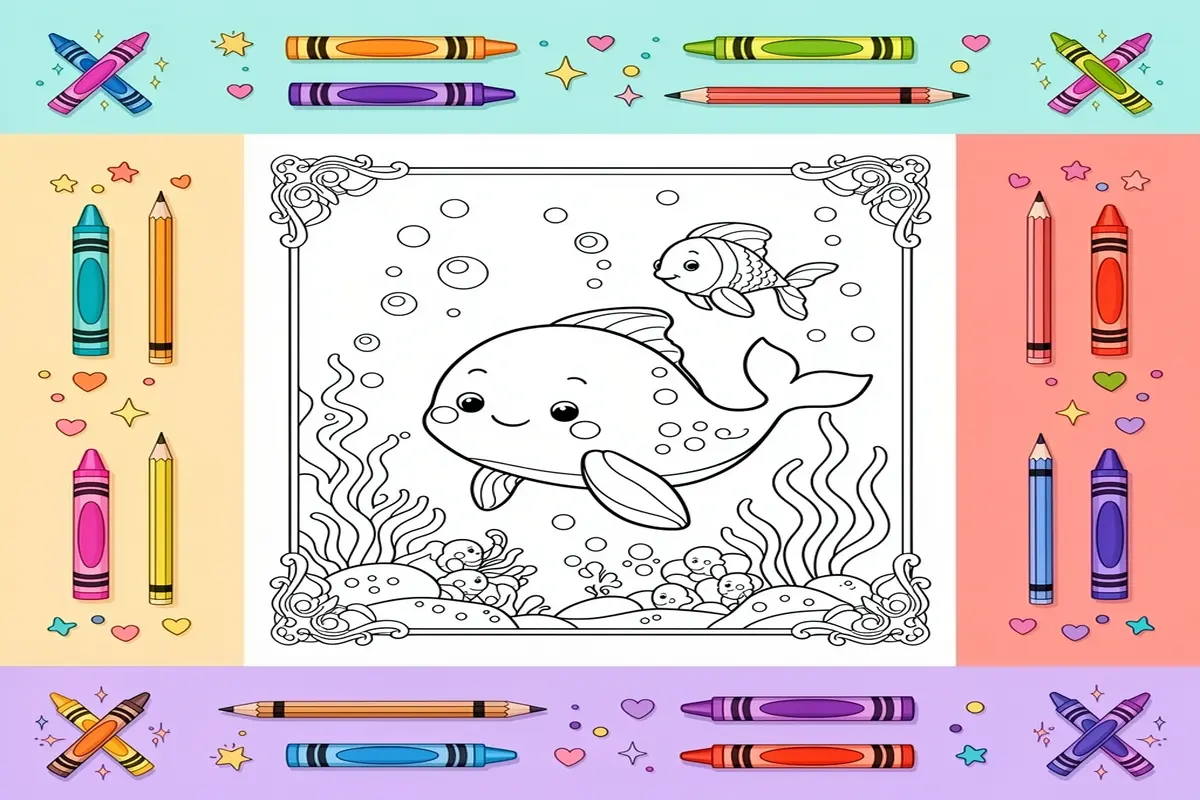
Imagine a portal to a world of silent grace, where gentle giants glide through sun-dappled waters and coral cities teem with life. This is the captivating realm unlocked by underwater coloring pages for kids, a creative medium that does far more than pass the time. It invites young artists on a sensory journey, transforming a simple page into a vibrant, personal seascape. From the intricate patterns of a majestic octopus to the sleek silhouette of a dolphin, these activities are a springboard for imagination, education, and calm. As children select hues for a whale’s vast expanse or a jellyfish’s delicate tendrils, they’re not just coloring—they’re connecting with an ecosystem, building fine motor skills, and experiencing the therapeutic focus that art provides. This exploration of underwater coloring pages for kids is where playful creativity meets a sense of oceanic wonder.
Part 1: Beneath the Surface: The Psychology & Universal Appeal
What is it about the aquatic world that so profoundly captures our imagination and soothes our minds? The allure of underwater coloring pages for kids taps into deep-seated psychological and aesthetic currents, making them a uniquely engaging artistic pursuit.
The Blue Mind: Why Water Scenes Captivate and Calm
The concept of the “Blue Mind”—a state of mild meditation characterized by calm, peace, and unity—is powerfully evoked by marine environments. Coloring these scenes allows children (and adults) to access this tranquility indirectly. The rhythmic, flowing lines of seaweed, the rounded forms of sea creatures, and the vast, open backgrounds minimize visual stress, encouraging a mindful state. Focusing on filling a detailed leatherback sea turtle with color becomes an exercise in present-moment awareness, pushing aside distractions. This meditative quality is a core reason why underwater coloring pages for kids are recommended not just for fun, but as a tool for emotional regulation and stress relief.
A Canvas of Biodiversity: Education Through Engagement
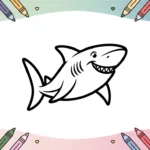
Unlike abstract patterns, underwater scenes are a vibrant introduction to marine biology. Each page is a storytelling opportunity. Is the shark a fearsome predator or a misunderstood guardian? Will the coral reef be a realistic ecosystem or a fantastical rainbow city? As children make these choices, they engage with the subject matter on a personal level, often prompting questions about the real creatures. This seamless blend of art and science transforms the activity from passive coloring into an interactive discovery of our planet’s oceans, fostering early conservation awareness and curiosity.
From Simple Strokes to Complex Currents: Art for Every Age
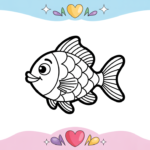
The genius of this theme lies in its scalability. For tiny hands, a friendly, cartoonish smiling fish with large, simple areas builds confidence. For older kids and even adults, the complexity available is immense—think of the intricate texture on a lobster’s shell, the geometric patterns of a stingray, or the detailed landscape of a deep-sea vent. This range ensures that underwater coloring pages for kids are a perennial resource, growing with the artist’s skill. They offer a satisfying challenge for the advanced colorist seeking realism while remaining an accessible and joyful first artistic victory for the beginner.
Professional Materials & Preparation for Underwater Coloring Pages for Kids
To ensure a smooth and enjoyable coloring session, proper preparation is key. Having the right materials on hand can transform the experience of coloring underwater coloring pages for kids from a simple activity into a rich, educational, and creative adventure. This section details the essential toolkit and setup to help young artists bring their aquatic scenes to life with vibrancy and ease.
The Foundation: Selecting Premium Paper for Underwater Coloring Pages for Kids
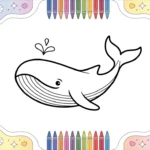
The paper you choose is the canvas for the ocean’s depth. For standard crayons and colored pencils, a smooth, bright white paper around 100-120 GSM (grams per square meter) prevents bleed-through and allows for easy blending. If your young artist prefers markers, especially water-based or alcohol-based varieties, seek out heavyweight marker paper (around 160 GSM) or even bleed-proof paper specifically designed to prevent colors from seeping through. For a mixed-media approach with paints or heavy layering, a cold-press watercolor paper provides a textured surface that holds pigment beautifully. When printing your chosen designs, such as these stunning free whale coloring pages, always use the highest quality print setting for crisp, clear lines.
Best Coloring Tools: A Detailed Comparison of Mediums
The choice of coloring medium dramatically affects the final result of your underwater coloring pages for kids. Here’s a professional comparison:
Colored Pencils: Ideal for control and detail, perfect for adding scales on fish or intricate patterns on shells. Wax-based pencils (e.g., Crayola) offer vibrant colors and are excellent for beginners. For more advanced blending and realistic effects, oil-based pencils (e.g., Faber-Castell) layer seamlessly, allowing children to create gradients for ocean depth and light effects.
Markers: Provide bold, saturated color perfect for making a vibrant coral reef pop. Water-based markers are easier to clean and generally non-toxic, while alcohol-based markers (blendable) offer professional-grade blending for older kids. Always test markers on a spare sheet to check for bleed-through.
Crayons: The classic tool offers a wonderful tactile experience and is superb for covering large areas like the sea or a whale’s body. They encourage a looser, more expressive style and can be layered for texture.
Finishing Touches: Gel Pens, Highlights, and Special Effects
Elevate the artwork with details that make the underwater scene shimmer. White or metallic gel pens are indispensable for adding bubbles, light rays, and highlights on wet-looking surfaces. A clear glitter glue pen can be used sparingly on jellyfish tentacles or fish scales for a magical, textured effect. For a truly professional touch, consider a colorless blender pencil (for colored pencils) or a blender marker to smooth gradients and create soft water currents. These tools empower kids to add those final details that make their underwater coloring pages for kids truly unique.
Perfect Workspace: Optimizing Lighting and Ergonomics
A well-prepared workspace prevents fatigue and lets creativity flow. Ensure the area is well-lit with natural light or a bright, white LED lamp to reduce eye strain and allow for accurate color perception. The seating should support good posture; feet should rest flat on the floor or a stool, with the table at elbow height. Protect the work surface with a large craft mat or newspaper. Organize materials within easy reach—a simple muffin tin or divided tray works perfectly for sorting pencils and markers by color family, making it easy for children to find the perfect shade for their octopus or sea turtle.
Part 3: Elevating Your Art: Advanced Techniques for Underwater Coloring Pages for Kids
Ready to transform a simple page into a stunning underwater scene? Moving beyond basic fills, these advanced techniques will help you and your young artists add depth, realism, and professional flair to your underwater coloring pages for kids. This section is your guide to turning flat images into vibrant, three-dimensional aquatic worlds.
Harmonious Palettes: Color Theory for Ocean Scenes
Understanding basic color theory can make your underwater scenes come alive. For a cohesive look, try these approaches:
Analogous Colors: Use colors next to each other on the color wheel for a serene, harmonious feel. Think blues, blue- greens, and greens for calm water, or oranges, reds, and purples for a vibrant coral reef. This technique is perfect for creating a unified background or a school of fish.
Complementary Colors: Colors opposite each other on the wheel (like blue and orange or purple and yellow) create dynamic contrast and make elements “pop.” Use this to make a bright seahorse coloring page stand out against a blue-green water background or to add vivid details to a fish coloring page.
From Flat to 3D: Mastering Shading for Depth
Shading is the key to making your sea creatures look round and your ocean look deep. Teach a simple three-step method:
1. Identify Your Light Source: Decide where the “sun” (light) is coming from—usually the top corner of the page.
2. Apply Base Color: Color the entire object with your main, medium tone.
3. Add Shadows and Highlights: On the side away from the light, add a darker shade of your color. On the side closest to the light, apply a lighter shade or leave a tiny white streak. For a dolphin’s belly or a whale’s underside, use light blues or grays to suggest filtered sunlight from above.
Adding Realism: Creating Aquatic Textures
Different materials require different strokes. Encourage kids to experiment with these texture techniques:
Scaly Skin (Fish, Sea Turtles): After coloring the base, use a sharp pencil or a darker crayon to draw small, overlapping “U” shapes or half-circles. Don’t cover every scale—just suggest them in shadowed areas.
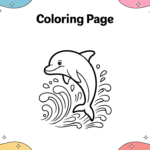
Smooth & Sleek (Dolphins, Whales): Use long, smooth, overlapping strokes in one direction. To create a wet, glossy look, leave strategic white streaks along the curve of the body where light would reflect.
Bumpy & Textured (Corals, Lobsters): Use small, tight circular motions or dots with the tip of your crayon or colored pencil. Layer different shades of the same color to create a sense of rough, intricate surfaces.
The Art of Correction: Gracefully Fixing Coloring Mistakes
Mistakes are part of the creative process! Here’s how to handle them gracefully:
Embrace the Ocean: A stray mark can become a tiny bubble, a piece of floating seaweed, or a small pebble on the seafloor. Incorporate it into the scene.
Layer to Cover: For small errors, gently coloring over the area with a slightly darker shade can often blend and hide the mistake.
* Turn it into Texture: A color that went outside the lines can be softened by blurring the edge with a similar color from the background, making it look like part of the water or shadow.
By practicing these techniques, every underwater coloring pages for kids project becomes an opportunity to explore art fundamentals and create truly breathtaking oceanic art.
Showcasing Your Underwater Coloring Pages for Kids: Creative Display Ideas
Once the ocean scene is complete, the fun doesn’t have to stop! Transforming your child’s artwork into home décor or gifts celebrates their effort and boosts their confidence. Here are inspiring ways to give those masterpieces a second life.
Preserving Your Masterpiece: Archival Tips
To ensure the artwork lasts, consider using acid-free paper for printing. For display, laminate the pages or place them in inexpensive frames from a craft store. A clear spray fixative (used in a well-ventilated area) can prevent crayon or pastel smudging. Creating a dedicated “gallery wall” in their bedroom or playroom with clipboards or string lights and clothespins allows for easy rotation of new underwater coloring pages for kids.
Beyond Display: Creative DIY Projects
Turn colored pages into functional art. Laminate and hole-punch them to make unique bookmarks. Cut out beautifully colored sea creatures, glue them onto folded cardstock, and create personalized greeting cards. For a larger project, decoupage several pages onto a small tabletop or storage box with Mod Podge for a custom ocean-themed furniture piece. These projects make heartfelt gifts for family members.
Your Underwater Coloring Pages for Kids Questions Answered
How do you draw an underwater scene step by step?
Start with a wavy line for the ocean surface at the top. Add a sandy bottom with a bumpy line at the bottom. Draw simple seaweed with curved lines. Then, place your sea creatures: start with basic shapes like ovals for fish bodies. Add bubbles (circles) rising to the surface. Finally, include details like coral shapes on the sand. It’s a perfect primer before diving into underwater coloring pages for kids.
What are the benefits of coloring for kids?
Coloring enhances fine motor skills and hand-eye coordination as children grip crayons and work within lines. It fosters creativity and color recognition while also serving as a calming, focused activity that can reduce anxiety and improve concentration. It’s a wonderful screen-free way to engage their minds.
How to teach a child to color inside the lines?
Start with larger, simpler shapes found in beginner-friendly underwater coloring pages for kids. Use thicker crayons or markers for easier control. Demonstrate slowly, and encourage them to turn the paper for better angles. Most importantly, praise the effort, not perfection. The goal is enjoyment and gradual skill development.
What is the best way to color water?
Use layers of blues and greens. Start with a light base color over the entire water area. Then, gently add slightly darker shades in horizontal, wavy streaks to suggest movement and depth. Leaving some white space or using a very light blue can create highlights and the illusion of light filtering down from the surface.
Where can I download free coloring pages?
You can find a vast collection of high-quality, free printable coloring pages at Safari Coloring. They offer a wide range of sea creatures, from gentle dolphins and sea turtles to fascinating octopuses, all ready for your artistic adventure.
Final Thoughts: Your Underwater Coloring Pages for Kids Journey Begins
The world beneath the waves is a gateway to endless creativity and quiet focus for your child. From the first stroke of blue on a whale’s back to the final display of their gallery wall, this journey with underwater coloring pages for kids is about more than just coloring. It’s about building skills, expressing imagination, and sharing joyful, unplugged moments together. Each finished page is a testament to their growing abilities and a snapshot of childhood wonder.
We hope this guide inspires countless colorful underwater expeditions. Remember, every artist starts somewhere, and every page is a masterpiece in its own right. Ready for your next adventure? Explore our entire ocean of sea animal coloring pages!