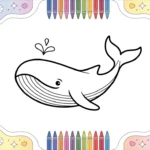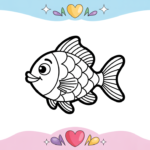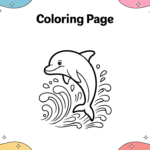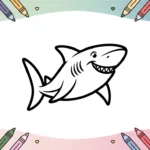
We offer a wide collection of free, high-quality printable coloring pages for kids and adults. From cute animals to intricate mandalas, our designs bring creativity and relaxation to everyone. Download, print, and start coloring today!

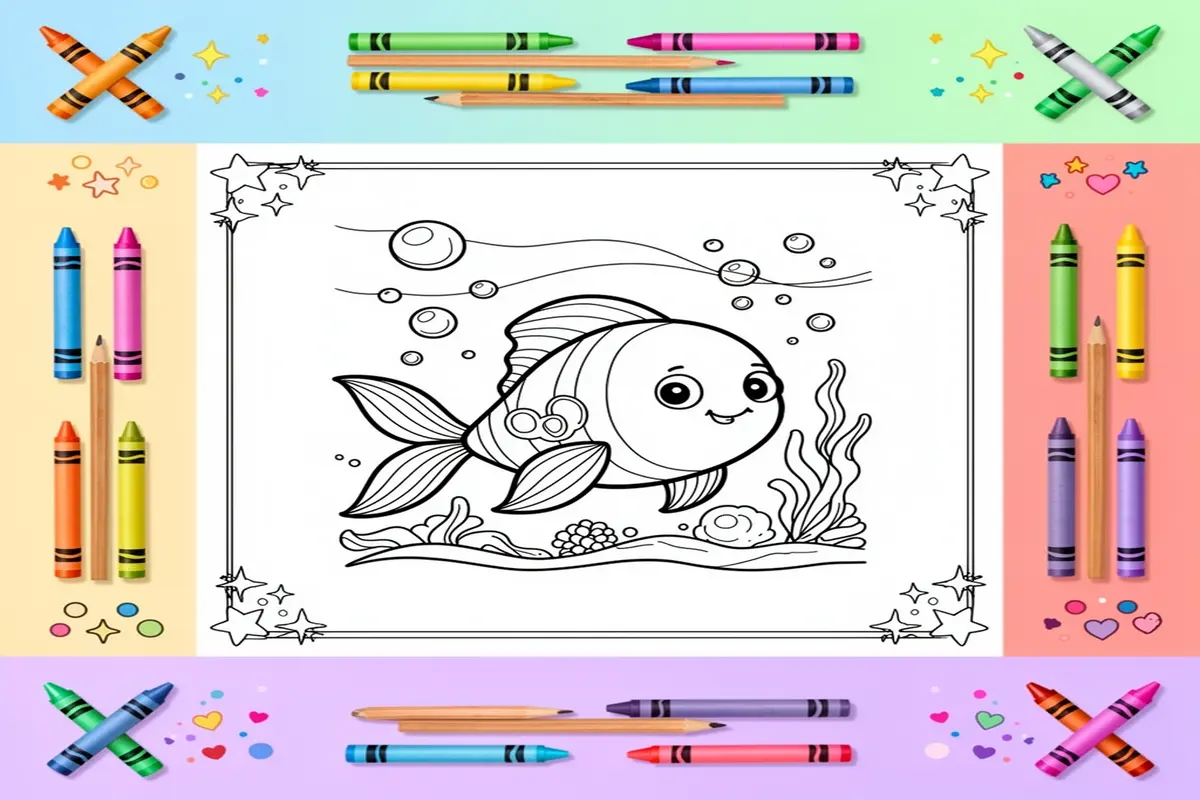
Imagine a child’s face, lit with concentration and wonder, as they bring a majestic humpback whale to life with a sweep of blue crayon. This is the magic of underwater coloring pages for kids—a portal to an enchanting, silent world teeming with life and color. More than just a quiet activity, these pages are a springboard for imagination, education, and emotional calm. They transform a simple sheet of paper into a vibrant coral reef, a mysterious deep-sea trench, or a sun-dappled ocean surface, all from the comfort of your kitchen table. By engaging with underwater coloring pages for kids, young artists not only develop fine motor skills and color recognition but also cultivate a sense of awe for our planet’s most vast and vital ecosystem. It’s a creative journey that begins with a single page, perhaps one featuring the gentle giants of the sea from our collection of free whale coloring pages.
Beneath the Surface: The Psychology & Universal Appeal
What is it about the ocean’s depths that so captivates the human spirit, especially a child’s? Underwater coloring pages for kids tap into a deep-seated fascination with the unknown, offering a safe and structured way to explore a world that is both alien and beautiful. This thematic choice is far from random; it’s a curated experience designed to engage, educate, and soothe.
The Calm of the Deep: Mindfulness in Every Stroke
The very act of coloring is a well-documented mindfulness practice, reducing anxiety and improving focus. When the subject is a serene seascape or a graceful sea turtle gliding through kelp, the calming effect is amplified. The rhythmic motion of coloring within the lines, the soft sounds of pencils on paper, and the immersive blue-green palette work in harmony to quiet a busy mind. For children navigating big emotions, these pages become a tool for self-regulation, a quiet underwater retreat where they can anchor themselves in the present moment.
An Educational Voyage: Learning Disguised as Fun
Every page is a stealth lesson in marine biology. Is a dolphin a fish? What colors might a camouflaging octopus use? How does a jellyfish move? As children select hues for clownfish, coral, and sharks, natural curiosity is sparked. Parents and educators can use these underwater coloring pages for kids as launching points for discussions about ocean conservation, animal habitats, and biodiversity. It transforms art time into a discovery session, building knowledge and empathy for our oceans’ inhabitants.
Designed for All Hands: From Toddlers to Tweens
The beauty of this theme lies in its scalability. For tiny hands, simple outlines of friendly fish or bubbly seahorses build confidence. For older children and even adults, intricate scenes of detailed reef ecosystems or realistic shark portraits offer a satisfying challenge. This inclusivity ensures that underwater coloring pages for kids are a resource that grows with the child, continually offering new levels of engagement and complexity, making them a perennial favorite in any creative arsenal.
Part 2: Professional Materials & Preparation for Underwater Coloring Pages for Kids
To transform your underwater coloring pages for kids from a simple activity into a vibrant, engaging, and educational art session, the right materials and setup are crucial. Proper preparation not only enhances the final artwork but also makes the experience more enjoyable and less frustrating for young artists. This guide details the essential toolkit and environment needed to bring the wonders of the ocean to life.
The Foundation: Selecting Premium Paper for Underwater Coloring Pages for Kids
The paper you choose is the single most important factor in coloring success. For detailed underwater coloring pages for kids, which often feature intricate scales, coral textures, and flowing seaweed, standard printer paper is insufficient. It bleeds easily and can tear under pressure. Opt for a dedicated coloring book with thick pages or print your pages, such as these stunning free whale coloring pages, on high-quality paper. Look for “marker paper,” “mixed-media paper,” or “cardstock” with a weight of at least 120 GSM (grams per square meter). This heavier weight prevents bleed-through from markers, allows for layering with colored pencils, and provides a sturdy surface for erasing without damage.
Best Coloring Mediums: A Detailed Comparison for Ocean Scenes
The choice between markers, colored pencils, and crayons dramatically affects the outcome of your underwater scenes.
Colored Pencils (Recommended for Detail): The ideal tool for most underwater coloring pages for kids. They offer superior control for small areas like fish eyes, shell patterns, and coral branches. Look for pencils with soft, pigmented cores (like wax- or oil-based) that blend easily. They allow for layering colors to create depth—perfect for shading a dolphin’s back or the dark recesses of a sunken ship.
Markers (For Bold, Vivid Colors): Markers provide brilliant, flat color that is excellent for large areas like open water or a whale’s body. Use alcohol-based markers for seamless blending (with adult supervision due to fumes) or high-quality water-based markers to avoid bleed-through on your chosen paper. They are less ideal for minute details but fantastic for impact.
Crayons (For Texture & Younger Artists): While less precise, crayons can create wonderful waxy, textured effects that mimic underwater light shimmer. They are excellent for younger children working on simpler pages.
Finishing Touches: Enhancing Details with Gel Pens & Highlights
Elevate the artwork with specialized tools that add brilliance and realism. White gel pens are indispensable for creating bubbles, light reflections on scales, and highlights in a shark’s eye. Metallic gel pens in silver, gold, and blue can add a magical sheen to fish scales or treasure chests. For a truly professional touch, consider a clear blender marker (for alcohol-based sets) to smooth gradients, or use a colorless colored pencil to blend layers seamlessly. A good quality eraser and a fine-tip black pen for reinforcing outlines are also valuable additions to your toolkit.
Creating the Perfect Workspace: Ergonomics & Lighting
A well-prepared space ensures focus and comfort. Prioritize bright, natural light or a daylight-simulating lamp to reduce eye strain and allow children to see true colors. Ensure the seating supports good posture; the table should be at elbow height when sitting. Protect the work surface with a large piece of cardboard or a dedicated craft mat. Organize materials within easy reach—a simple muffin tin or small cups are perfect for sorting pencils by color family. Having a dedicated, clutter-free area signals that this is a special creative time, setting the stage for a successful and immersive coloring session focused on underwater exploration.
Part 3: Transforming Underwater Coloring Pages for Kids with Pro Techniques
Ready to see your child’s underwater coloring pages for kids go from simple sketches to stunning, vibrant seascapes? This guide moves beyond basic filling-in, introducing techniques that build artistic skill, confidence, and breathtaking results. By mastering a few key concepts, parents and teachers can guide young artists in creating artwork that truly captures the magic of the deep blue.
Harmonious Palettes: Color Theory for Ocean Scenes
Understanding simple color relationships can instantly elevate an underwater scene. For a harmonious look, teach kids to use analogous colors—those next to each other on the color wheel. A page featuring a majestic leatherback sea turtle could use shades of blue, green, and teal for a calm, realistic feel. For exciting contrast, introduce complementary colors. Orange and blue are opposites, making a clownfish pop brilliantly against blue coral or water. Start by discussing the mood: cool blues and purples for a deep, mysterious ocean, or warm yellows and pinks for a cheerful, sunlit reef.
From Flat to 3D: Mastering Shading for Depth
Shading is the secret to making flat shapes look round and lifelike. Guide young artists with these steps:
1. Identify the Light Source: Decide where the “sun” is (e.g., top corner of the page).
2. Add Base Colors: Color the creature or plant normally first.
3. Apply Shadows: Using a slightly darker shade of the same color, add shading on the side opposite the light source. For a shark, this means darkening its lower belly and one side.
4. Add Highlights: Leave a tiny strip or dot of the paper white (or use a very light color) on the side facing the light. This makes the shark’s skin look wet and shiny.
Adding Realism: Texture Techniques for Sea Life
Each underwater creature has a unique texture. Show kids how to mimic these effects with their tools:
Smooth & Sleek: For dolphins or whales, use long, smooth, overlapping strokes with crayons or colored pencils to create a glossy, wet look.
Bumpy & Textured: For crabs or lobster shells, use small, tight circular motions or tiny dots to create a rough, hard surface.
Flowy & Translucent: For jellyfish tentacles, use very light pressure and layer colors softly. Letting some white paper show through creates a see-through, glowing effect.
* Speckled & Patterned: For sandy ocean floors or starfish, the tip of a marker or a sharp pencil can create fine speckles.
The Art of Correction: Graceful Fixes for Coloring Errors
Mistakes are part of the process! Turn them into learning moments. If color goes outside the lines, don’t erase—embrace it as ocean bubbles or floating plankton. For a waxy crayon mistake, gently scrape away excess wax with a blunt edge, then color over it. With colored pencils, layering a new color on top can often blend and cover a small error. For larger areas, transform the “oops” into a new underwater plant or a hidden treasure chest. The key is to stay creative and positive, reinforcing that art is about exploration, not perfection.
Showcasing Your underwater coloring pages for kids: Creative Display Ideas
Once the final splash of color is added, the fun doesn’t have to stop! Transforming finished pages into decor or gifts adds a wonderful sense of pride and accomplishment for young artists. Here are some inspiring ways to celebrate their creativity.
Preserving Your Masterpiece: Archival Tips
Protect those vibrant underwater scenes from fading or damage. For long-term display, consider using acid-free photo corners in a shadow box, which adds depth and allows for easy swapping of artwork. Laminating pages creates durable placemats or coasters. A simple, inexpensive frame from a craft store can turn any page into gallery-worthy wall art for a bedroom or playroom, celebrating their hard work daily.
Beyond Display: Creative DIY Projects
Turn colored pages into functional art and heartfelt gifts. Create unique greeting cards by cutting out colored sea creatures and gluing them onto folded cardstock. Laminated and hole-punched, they become beautiful bookmarks. For a grand project, assemble multiple finished pages into a custom “Ocean Explorer” storybook, bound with ribbon. These activities extend the creative journey and make wonderful presents for family members.
Your underwater coloring pages for kids Questions Answered
How do you draw an underwater scene step by step?
Start with a wavy line across the page for the ocean’s surface. Add a sandy bottom with squiggly lines and some oval rocks. Draw simple seaweed with curvy lines. Then, populate your scene with basic shapes for sea creatures—an oval for a fish body, triangles for fins. Finally, add bubbles (circles) rising to the surface. Let your child color it in with their favorite underwater coloring pages for kids palette!
What are the benefits of coloring for kids?
Coloring boosts fine motor skills and hand-eye coordination as children practice gripping crayons and staying within lines. It fosters creativity and color recognition while providing a calming, focused activity that can reduce anxiety. It’s also a fantastic screen-free way for kids to express themselves and build confidence in their artistic abilities.
How to teach a child to color inside the lines?
Start with larger, simpler shapes found in many beginner-friendly underwater coloring pages for kids. Use broken crayons or short pencils to promote a proper grip. Demonstrate by coloring slowly near the edge, and encourage them to turn the paper for better control. Most importantly, praise the effort, not perfection. The goal is enjoyable practice, and skills will naturally improve over time.
What is the best way to color water?
For water, use layers of blues and greens. Start with a light base color over the entire area. Then, gently shade with darker blues along the edges of objects (like fish or coral) to create depth. Leaving some white spaces or using a white crayon resist technique can mimic light shimmering and bubbles, making the scene feel dynamic and liquid.
Where can I download free coloring pages?
You can find a vast collection of high-quality, free printable coloring pages at SafariColoring.com. They offer a huge variety of themes, including an amazing selection of sea life like dolphins, sharks, and turtles, perfect for your next undersea adventure. Simply pick your favorites, download, and print!
Final Thoughts: Your underwater coloring pages for kids Journey Begins
The world beneath the waves is a boundless source of wonder, and through underwater coloring pages for kids, that magic comes to life in the most personal way. This journey is about so much more than filling in shapes; it’s a gentle dive into developing essential skills, a calming harbor for busy minds, and a shared adventure in creativity for the whole family. Each page completed is a celebration of focus, imagination, and joyful discovery.
We hope this guide inspires countless colorful underwater expeditions. Remember, every masterpiece starts with a single splash of color. Ready for your next adventure? Explore our entire ocean of sea animals coloring pages for endless creative fun!