We offer a wide collection of free, high-quality printable coloring pages for kids and adults. From cute animals to intricate mandalas, our designs bring creativity and relaxation to everyone. Download, print, and start coloring today!

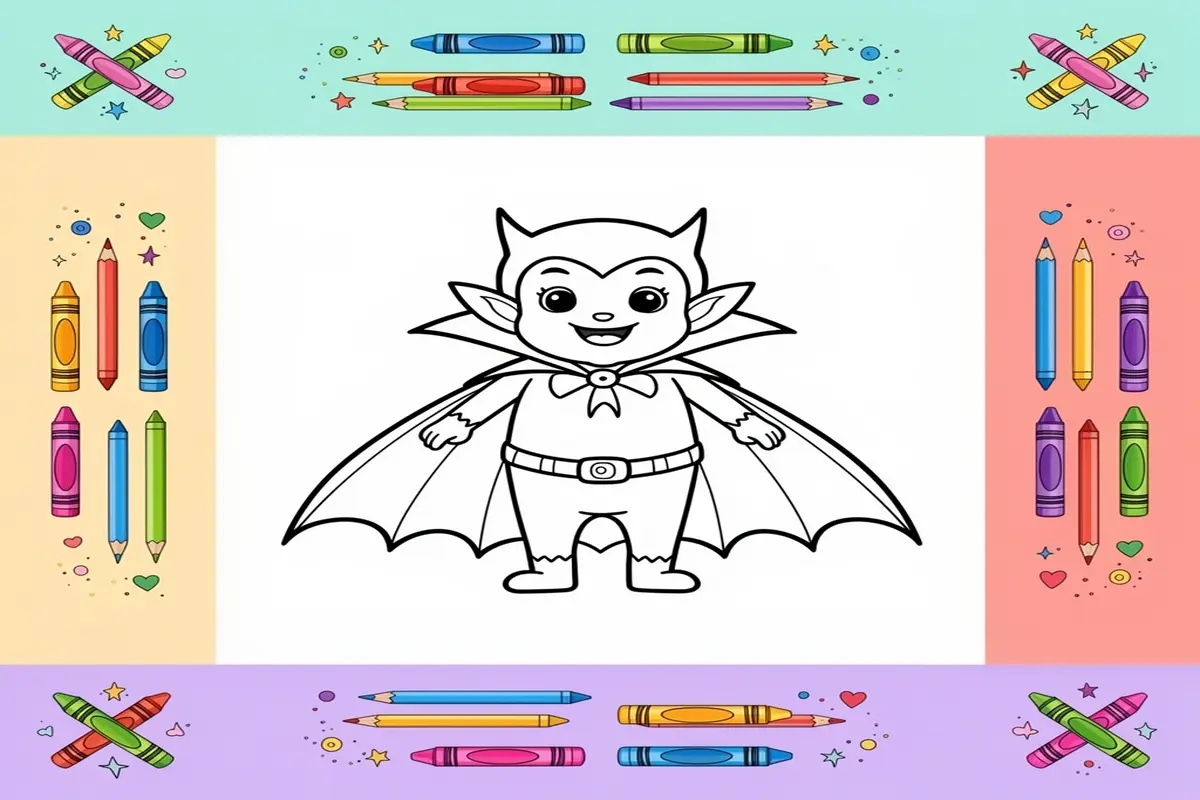
In the quiet hush of focused concentration, a child’s imagination takes flight. The simple act of coloring, often seen as mere child’s play, is in fact a powerful gateway to creativity, fine motor skill development, and emotional expression. When this universal activity meets the captivating world of mythical creatures, something magical happens. Vampire coloring pages for kids transform a potentially spooky subject into a delightful artistic adventure, allowing young minds to explore themes of fantasy, history, and character design in a safe, controlled environment. Far from being frightening, these pages often feature friendly, cartoonish vampires in amusing scenarios, turning the legendary figure into a relatable character for storytelling and color play. This unique niche bridges the gap between the allure of Halloween fun and year-round creative engagement, offering a perfect alternative to more traditional subjects like our collection of realistic animal coloring pages. By engaging with vampire coloring pages for kids, children don’t just fill in lines; they author their own narratives, decide if their vampire prefers a classic black cape or a surprising rainbow hue, and ultimately conquer any mild fears through the empowering medium of art.
Beyond the Bite: The Surprising Benefits of Monster-Themed Art
Engaging with vampire coloring pages for kids offers a multifaceted developmental experience that extends far beyond the page. This specific theme cleverly leverages children’s natural fascination with the mysterious and the supernatural to foster a range of cognitive and emotional skills.
The Psychology of Play: Conquering Fears with Color
Why are children drawn to monsters, ghosts, and vampires? Psychologists suggest that engaging with mildly scary themes in a safe context, like coloring, is a form of mastery play. It allows a child to confront the concept of “the unknown” or “the scary” from a position of complete control. By deciding the colors, the expression, and the background of their vampire, the child tames the myth. The vampire becomes their creation, shifting from a figure of potential fear to one of personal storytelling and artistic expression. This process can build resilience and emotional intelligence, providing a healthy outlet for exploring broader themes of good versus evil, night versus day, and other classic dichotomies.
A Historical Palette: From Folklore to Friendly Faces
The vampire as a coloring subject is a fantastic entry point into a rich tapestry of global folklore and literary history. While the pages themselves are designed for fun, they open doors for curious conversations. Parents and educators can briefly touch upon the origins of vampire myths from different cultures, or discuss how the character has evolved from folk tales to classic novels and modern, often comedic, film portrayals. This contextual backdrop adds an educational layer to the activity, transforming it from simple coloring into a cultural exploration. The vampire coloring pages for kids available today reflect this evolution, predominantly showcasing whimsical, friendly, and even cute interpretations that are perfectly suited for a young audience.
Designed for Developing Hands: Accessibility and Skill Building
The best vampire coloring pages for kids are thoughtfully curated for varying skill levels. For younger artists, pages feature bold, simple outlines with larger spaces perfect for practicing broad strokes and color recognition. For older children or those developing advanced fine motor skills, more intricate designs are available—detailed castle backgrounds, elaborate capes with patterns, or scenes with multiple characters. This range ensures that every child, from the toddler just learning to grip a crayon to the pre-teen seeking a detailed artistic challenge, can find a page that engages them appropriately. This inclusivity reinforces confidence, encourages patience, and provides a tangible sense of accomplishment as the spooky scene comes to life under their unique creative direction.
Professional Materials & Preparation for vampire coloring pages for kids: A Curator’s Guide
Before your young artist begins their creative journey with our vampire coloring pages for kids, proper preparation is key. Having the right materials on hand transforms a simple activity into an engaging, skill-building experience that yields beautiful results. This section outlines the essential toolkit and setup to ensure every session with vampire coloring pages for kids is both fun and successful. For a thematic extension into other mystical creatures, consider pairing this activity with our dragon coloring pages for kids.
The Foundation: Premium Paper for vampire coloring pages for kids
The paper you choose directly impacts the final artwork. For standard printing of vampire coloring pages for kids, a bright white, smooth paper with a weight of 100-120 GSM (grams per square meter) is ideal. This weight is thick enough to prevent bleed-through from markers and can handle light layering with colored pencils without tearing. For artists who love using wet mediums like markers, consider investing in marker-specific paper or cardstock (160+ GSM). If you plan to use watercolor pencils or light washes, a cold-press watercolor paper will add a beautiful textured finish to the spooky scenes and intricate cape details.
Best Coloring Tools: Markers vs. Pencils for Detailed Art
The choice between markers and colored pencils often depends on the desired effect and the child’s age and skill level.
Colored Pencils: Excellent for control and detail, crucial for the fine lines often found in vampire-themed art, such as fangs, facial expressions, and ornate clothing. Wax-based pencils (like Crayola or Prismacolor) offer vibrant colors and smooth blending, perfect for creating shadows in a vampire’s cloak or a gradient in a night sky. They are less messy and allow for easy correction, making them a parent-friendly choice.
Markers: Provide bold, solid areas of color that make artwork pop. Alcohol-based markers (e.g., Copic, Ohuhu) offer seamless blending for professional-looking gradients on capes and backgrounds but can bleed through standard paper. Water-based markers (like Stabilo or Crayola) are more child-friendly and affordable, with less bleed-through. A hybrid approach—using markers for large areas and pencils for details—often yields the best results for vampire coloring pages for kids.
Finishing Touches: Gel Pens & Highlighting Techniques
Elevate the artwork from great to spectacular with specialty tools. Metallic silver or gold gel pens are perfect for adding accents to jewelry, crown details, or magical auras. A white gel pen is indispensable for creating highlights in eyes, adding a spooky mist, or drawing stars in a dark sky. For a truly professional touch, consider a colorless blender marker (for alcohol-based sets) to smooth pencil or marker gradients. These tools encourage creativity and attention to detail, allowing children to add their own unique sparkle to their vampire creations.
Perfect Workspace: Optimizing Lighting & Ergonomics
A well-prepared workspace maximizes comfort and focus. Ensure the coloring area is well-lit with natural light or a bright, white LED desk lamp to reduce eye strain and allow for accurate color perception. The seating should support good posture; feet should rest flat on the floor or a stool, with the table at elbow height. Keep materials organized in cups or trays for easy access. Placing a scrap sheet of paper under the child’s hand can prevent smudging, especially when working with pencil. This dedicated, ergonomic setup signals that their artistic time is valued and helps them engage deeply with the activity.
Part 3: Transforming vampire coloring pages for kids with Pro-Level Techniques
Ready to take your child’s vampire coloring pages for kids from simple to spectacular? This section moves beyond basic filling to introduce artistic techniques that build fine motor skills, teach color theory, and boost confidence. With a few simple methods, those spooky characters will leap off the page with depth and personality. For more fantastical creatures to practice on, explore our dragon coloring pages for kids and fairy coloring pages for kids.
Harmonious Palettes: Color Theory for vampire coloring pages for kids
A thoughtful color scheme sets the mood. Teach kids the basics of color relationships to make their vampire scenes pop. For a classic, eerie look, use an analogous scheme—colors next to each other on the wheel, like deep purples, blood reds, and shadowy blues. This creates harmony. For dramatic contrast, use complementary colors (opposites on the wheel). Imagine a vampire’s green eyes (green) against a crimson cape (red) or a purple night sky behind a moonlit yellow castle. Encourage experimenting with “cool” (blues, purples) colors for shadows and “warm” (reds, oranges) for glowing elements like candlelight or eyes.
From Flat to 3D: Mastering Shading & Depth
Shading is the magic trick that adds form. Guide your young artist with this simple step-by-step approach:
1. Identify Your Light Source: Decide where the moonlight or lantern light is coming from (e.g., top left).
2. Lay Base Colors: Color the entire area with a medium tone.
3. Add Shadows: On the sides opposite the light source, apply a darker shade of the same color. For a vampire’s cloak, use dark purple or black in the folds.
4. Apply Highlights: With a lighter color or by pressing gently, add bright spots on areas facing the light, like the top of a cape’s shoulder or a cheekbone.
This technique instantly transforms a flat bat into a creature with rounded wings.
Adding Realism: Creative Texture Techniques
Texture brings a scene to life. Different elements on vampire coloring pages for kids require different strokes:
Stone & Castle Walls: Use small, circular, scribbly motions with gray or brown to create a rough, uneven surface.
Fur or Hair: Color in the direction the hair grows, using quick, short strokes. A werewolf’s fur or a vampire’s luxurious collar comes alive this way.
Night Sky: Use smooth, heavy pressure to create a rich, dark blue or black base, then lightly dot with a white gel pen for stars.
Silky Capes: Use long, smooth, continuous strokes in one direction to simulate shiny fabric.
The Art of Correction: Gracefully Fixing Coloring Mistakes
Mistakes are part of the process! Teach these recovery strategies:
Embrace the Cover-Up: Turn a stray mark into a bat, a spider, or a floating cobweb. This encourages creative problem-solving.
Layer It On: If a color is too light, gently layer a darker shade over it. This often adds interesting depth.
Define with Outline: If colors bleed, use a fine-tip black or dark colored pencil to redefine the line, making the bleed look like intentional shadow.
Start Anew: Sometimes, the best fix is a fresh copy. Print another page and celebrate the first attempt as a practice run. This removes pressure and keeps the activity fun.
Mastering these techniques with vampire coloring pages for kids not only produces impressive artwork but also builds foundational art skills that translate to any subject, from realistic animal coloring pages to original drawings.
Showcasing Your Vampire Coloring Pages for Kids: Creative Display Ideas
Once the final fang is colored, the fun doesn’t have to stop! Transforming your child’s artwork into home décor or heartfelt gifts celebrates their creativity and builds lasting confidence. Here are inspiring ways to give their vampire coloring pages for kids a second life.
Preserving Your Masterpiece: Archival Tips
Before displaying, consider protecting the artwork. For a simple, clean look, use acid-free photo corners in a shadow box. For pieces you want to handle, a quick spray with a clear, matte art sealant (used in a well-ventilated area) can prevent smudging. Laminating is a durable option for placemats or bookmarks. Store flat, finished pages in a large portfolio or under a flat, heavy book to prevent curling.
Beyond Display: Creative DIY Projects
Turn colored pages into personalized gifts and seasonal decorations. Create spooky window clings by laminating the art and using double-sided tape. For a fun party activity, glue the page to cardstock, cut out the vampire shape, and attach a craft stick for a puppet. You can also make unique greeting cards by folding construction paper and mounting the colored vampire inside. These projects extend the creative journey and make wonderful keepsakes.
Your Vampire Coloring Pages for Kids Questions Answered
How do you draw a simple vampire for kids?
Start with a friendly oval face. Add two pointy triangles on top for ears and two more on the sides for a dramatic collar. Draw big, round eyes and a small “U” for a smile, with two tiny fangs poking down. Finish with a simple batwing shape for the cape. This basic formula is perfect for kids to trace or use as inspiration for their own vampire coloring pages for kids.
What are the benefits of coloring for children?
Coloring boosts fine motor skills and hand-eye coordination as children practice staying within lines. It fosters creativity, color recognition, and focus. The calming, repetitive motion is excellent for emotional regulation and stress relief, providing a quiet, mindful activity that builds patience and a sense of accomplishment.
What colors should I use for a vampire?
Classic vampires feature black capes, white shirts, and pops of red for lips, lining, or eyes. Encourage creativity! Maybe a vampire has a purple cape, green skin, or a polka-dotted cravat. There are no rules—exploring unconventional palettes makes vampire coloring pages for kids uniquely theirs. Silvers and greys work great for moonlight accents.
How to print coloring pages at home?
Ensure your printer has ink and paper. Download or open your chosen page file. Select “Print” and in the settings dialog box, choose “Best Quality” for crisp lines and “Fit to Page” to ensure no edges are cut off. Use standard printer paper for practice or cardstock for a sturdier result that handles markers better.
Is coloring good for fine motor skills?
Absolutely. The precise grip and controlled movements required to color small areas strengthen the small muscles in the hands, fingers, and wrists. This development is crucial for future tasks like writing, buttoning clothes, and using utensils, making coloring a foundational and enjoyable skill-building activity.
Final Thoughts: Your Vampire Coloring Pages for Kids Journey Begins
From the first stroke of a crayon to the proud display of a finished masterpiece, the journey with vampire coloring pages for kids is filled with developmental wins and creative joy. These activities are more than just play; they are building blocks for fine motor skills, emotional expression, and imaginative storytelling. Whether your child creates a spooky castle scene or a friendly, colorful vampire, they are developing confidence with every color they choose.
We hope this guide inspires countless hours of creative fun and bonding. Remember, the goal is never perfection, but the joy found in the process. Ready for your next adventure? Explore our spooky and fun ghost coloring pages for kids to continue the Halloween-themed creativity!