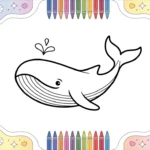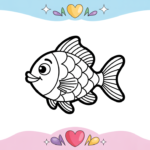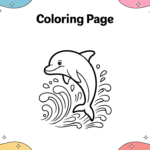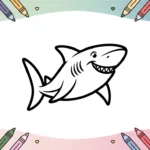
We offer a wide collection of free, high-quality printable coloring pages for kids and adults. From cute animals to intricate mandalas, our designs bring creativity and relaxation to everyone. Download, print, and start coloring today!

Imagine a quiet afternoon, the gentle scratch of colored pencils, and the serene focus of a child bringing a blank page to life. In our fast-paced digital world, the simple act of coloring offers a precious sanctuary—a tactile, mindful escape that nurtures creativity and calm. This is the timeless magic of water coloring pages for kids, a gateway to artistic exploration and developmental growth. More than just a pastime, these pages invite young minds to engage with the fluid beauty and diverse inhabitants of aquatic environments, from the gentle arc of a dolphin’s leap to the intricate patterns of a coral reef. By focusing on scenes of water—be it ocean depths, tranquil ponds, or flowing rivers—these coloring activities naturally promote a sense of peace and wonder. They serve as a fantastic starting point for conversations about marine biology, ecology, and the importance of our planet’s waterways. For a deep dive into one of the ocean’s most majestic creatures, be sure to explore our collection of free whale coloring pages. Whether used for quiet time, educational enrichment, or pure artistic joy, water coloring pages for kids provide a universally accessible canvas for imagination to flourish.
The Psychology of the Palette: Why Water Scenes Captivate Young Minds
The Soothing Science of Blue Spaces
The thematic focus on water is no accident. Psychologically, the color blue and imagery associated with water are consistently linked to reduced stress and enhanced mental clarity. When children engage with water coloring pages for kids, they are not just filling in shapes; they are immersing themselves in a visual metaphor for tranquility. The act of coloring itself induces a meditative state, lowering heart rates and quieting the mind’s chatter. By combining this mindful activity with serene aquatic scenes—think gentle waves, floating jellyfish, or peaceful sea turtles—the calming benefits are amplified. This makes such pages an excellent tool for managing big emotions, transitioning from high-energy play, or simply cultivating a moment of focused relaxation in a child’s day.
A Cultural & Historical Voyage
Artistic depictions of water span the entirety of human history, from ancient cave paintings to the masterpieces of the Renaissance. Introducing children to water coloring pages for kids connects them to this vast cultural canvas. It’s an accessible entry point to discuss how different civilizations have lived with and revered oceans, rivers, and lakes. Parents and educators can use these pages as springboards to stories of maritime exploration, myths of sea creatures, or the vital role of water in ecosystems worldwide. This layer of context transforms a simple activity into a rich, interdisciplinary learning experience, fostering both creativity and cultural awareness.
Designed for Every Stage of Development
The beauty of these resources lies in their inherent scalability. For a toddler, a simple page with a friendly fish or a bold seashell helps develop grip strength and color recognition. An older child might relish the challenge of a detailed underwater seascape teeming with diverse life, which hones fine motor skills and patience. Teenagers and even adults can find sophisticated value in intricate mandalas based on ocean waves or realistic animal portraits. Therefore, water coloring pages for kids are truly curated for every skill level, offering a lifelong tool for artistic expression and stress relief that grows with the individual.
Part 2: Essential Materials for Stunning water coloring pages for kids
To transform your water coloring pages for kids from simple outlines into vibrant masterpieces, the right materials are crucial. Proper tools not only enhance the final artwork but also make the coloring process more enjoyable and less frustrating for young artists. This section details the professional-grade supplies that will help children achieve beautiful results, whether they’re working on a detailed leatherback sea turtle coloring page or a whimsical underwater scene.
The Foundation: Selecting Premium Paper for water coloring pages for kids
The paper is the single most important factor in a successful coloring project. Standard printer paper is too thin and will warp, pill, or bleed through with most wet media. For water coloring pages for kids, seek out heavyweight paper specifically designed for mixed media or marker use. Look for a GSM (grams per square meter) rating of 160 or higher; this thickness prevents bleed-through and can handle light layering of water-based inks. Smooth, bright white paper provides the best color vibrancy and sharp detail, allowing the intricate lines of animal scales or ocean waves to truly pop. For a premium experience, consider lightly textured watercolor paper, which adds a professional feel and teaches children about how different surfaces interact with their tools.
Best Coloring Tools: A Detailed Comparison of Mediums
Choosing between markers, colored pencils, and watercolor pencils depends on the desired effect and the child’s skill level.
Alcohol-Based Markers: These are the professional’s choice for seamless, bleed-free blending and intense color saturation. They dry quickly and layer without damaging the paper. Brands like Copic or Ohuhu offer brush tips for versatile line work. They are ideal for older children focused on achieving a polished, graphic look on their water coloring pages for kids.
Water-Based Markers & Brush Pens: These are excellent and less permanent options. Children can color and then use a clean, wet brush to spread the pigment, creating beautiful watercolor washes. This technique is perfect for creating ocean gradients or soft sky backgrounds on pages featuring dolphins or whales.
Colored Pencils: For unparalleled control and fine detail, high-quality wax- or oil-based colored pencils are unmatched. They allow for precise shading and texture, ideal for rendering animal fur on a lion or the intricate patterns on a fish. Look for pencils with soft, pigmented cores that blend smoothly.
Finishing Touches: Gel Pens, Liners, and Highlighters
Elevate the artwork with tools that add precision and sparkle. Fine-line pigment ink pens (such as Sakura Pigma Micron) in sizes 01-05 are essential for redefining outlines that may have blurred during coloring or for adding tiny details like fish scales or bubbles. Metallic and opaque white gel pens are magical for adding highlights to eyes, creating ocean spray, or drawing stars in a night sky scene. A set of these can turn a simple page into a luminous piece of art, encouraging children to add their own creative flourishes.
Creating the Perfect Workspace: Ergonomics and Lighting
A proper setup prevents fatigue and allows colors to be seen accurately. Ensure the workspace is well-lit with natural or full-spectrum LED light to reduce eye strain and reveal true color relationships. The chair and table should be at a height where the child’s feet rest flat and their forearms can comfortably reach the page. Protect the table surface with a large cutting mat or board, which also provides a slight cushion for smoother pencil work. Keep a scrap piece of the same paper used for the water coloring pages for kids nearby for testing colors and techniques before applying them to the final artwork. Organize tools within easy reach in cups or trays to maintain a tidy, focused environment.
Part 3: Elevating Your Art: Pro Techniques for Water Coloring Pages for Kids
Ready to transform those beautiful water coloring pages for kids from simple outlines into stunning works of art? This guide moves beyond basic filling to introduce professional techniques that build confidence and skill. By mastering a few key concepts, you and your young artists can achieve impressive, gallery-worthy results that celebrate the beauty of aquatic life and beyond.
Harmonious Palettes: Color Theory for Water Scenes
Understanding basic color theory is like having a secret map for creating mood and harmony. For water coloring pages for kids, this is especially powerful.
Complementary Colors: These are opposites on the color wheel (like blue & orange or green & red). Use them to make elements pop! A bright orange clownfish against deep blue water is vibrant and exciting.
Analogous Colors: These are neighbors on the wheel (like blue, blue-green, and green). They create serene, natural-looking scenes—perfect for a peaceful underwater reef or a tranquil lake landscape. For a vast collection of sea life to practice on, explore our ocean coloring pages.
From Flat to 3D: Mastering Light and Shadow
Shading is the magic trick that adds volume and makes your subject look real. Here’s a simple step-by-step approach:
1. Identify Your Light Source: Decide where the light is coming from (e.g., the top of the page). Every shadow will be cast opposite this point.
2. Start with a Base Layer: Color your entire shape with a light, even layer.
3. Add Mid-Tones: Apply a slightly darker shade to areas facing away from the light. On a dolphin’s body, this would be along the lower curve.
4. Apply Darkest Shadows: Use your darkest color in the deepest crevices—under the fins, along the very bottom edge. Blend the edges gently.
5. Highlight: Leave the area directly facing the light source the lightest, or add a touch of white gel pen for a wet, reflective shine.
Adding Realism: Texture Techniques for Water & Wildlife
Texture brings your page to life. Here’s how to render different surfaces:
Water: Use long, smooth, horizontal strokes for calm water. For waves, layer curved lines of varying blues. White space or a white crayon resist can create foamy splashes.
Scales (Fish/Reptiles): Instead of coloring scales individually, lay down a base color. Then, lightly draw a small grid or overlapping “U” shapes with a darker pencil, leaving the top edges of each scale lighter.
Fur/Feathers (Nearby Animals): Use short, quick strokes in the direction the fur grows. Layer different shades of the same color. For animals by the water, like those found in our safari coloring pages for kids, this technique adds incredible realism to manes and coats.
The Art of Correction: Gracefully Fixing Coloring Mistakes
Mistakes are part of the process! Here’s how to handle common issues:
Color Outside the Lines: Turn it into a feature! Softly blend the stray color outward to create a gentle glow or shadow effect.
Too Much Pressure (Waxy Build-up): Gently scrape off excess wax with a blunt toothpick or the edge of a craft knife (adults only). Then, you can layer a new color on top.
Muddy Colors: This happens when colors are over-blended. Let the page be, and next time, try layering colors more lightly and allowing some of the paper’s texture to show through for vibrancy.
Wrong Color Choice: Incorporate it. If a dolphin accidentally gets a green streak, layer blues over it to create a interesting, mottled, realistic skin variation.
Showcasing Your water coloring pages for kids: Creative Display Ideas
The fun doesn’t stop when the paint dries! Transforming your child’s artwork into a cherished part of your home decor is a wonderful way to celebrate their creativity and build their confidence. Here are some inspiring ways to move those beautiful water coloring pages for kids from the table to the spotlight.
Preserving Your Masterpiece: Archival Tips
Before displaying, consider protecting the artwork. Use acid-free spray fixatives or clear laminating sheets to prevent colors from fading and paper from yellowing. For a classic look, mount the page on a slightly larger piece of colored cardstock before framing. Simple clip frames or floating frames are excellent, budget-friendly options that allow for easy rotation of new masterpieces, keeping your gallery wall fresh and exciting.
Beyond Display: Creative DIY Projects
Turn artwork into meaningful gifts and keepsakes. Laminate a favorite page and trim it to create unique bookmarks or gift tags. You can also scan the artwork to print onto cardstock, folding it into a one-of-a-kind greeting card for family. For a larger project, decoupage several themed pages onto a small side table or storage box. For a continuous source of inspiration, explore our vast collection of Ocean Coloring Pages for a cohesive underwater theme.
Your water coloring pages for kids Questions Answered
What are the benefits of coloring for kids?
Coloring is a powerhouse activity for development. It enhances fine motor skills and hand-eye coordination as children learn to control their strokes. It also fosters creativity, color recognition, and focus. On an emotional level, it provides a calming, screen-free outlet for self-expression and can be a wonderful tool for mindfulness and stress relief for kids of all ages.
How do you make watercolor paint for kids?
You can create safe, non-toxic watercolor paint at home with simple ingredients. Mix four tablespoons of baking soda, two tablespoons of white vinegar, and one tablespoon of light corn syrup. Once the fizzing stops, divide the mixture into a muffin tin or small cups. Add a generous amount of food coloring or liquid watercolor to each section to create vibrant, kid-friendly paints perfect for your water coloring pages for kids.
Is watercolor painting good for toddlers?
Yes, with supervision and the right setup! Watercolor painting is excellent for toddlers as it introduces them to color mixing and cause-and-effect with minimal mess compared to other paints. Use large, easy-grip brushes and thick paper. Focus on the sensory experience rather than a final product. It’s a fantastic way to develop their pincer grip and early artistic confidence.
What is the best paper for coloring pages?
For water-based mediums, the best paper is specifically labeled “watercolor paper.” Its thicker weight and textured surface prevent buckling and allow colors to blend beautifully. For everyday printing and use with markers or crayons, standard cardstock (around 100 lb text weight) is a durable, affordable choice that resists bleed-through and holds up to enthusiastic coloring.
How do I print free coloring pages?
Printing free coloring pages is simple! First, find a trusted website like ours offering high-quality PDFs. Click on your chosen design and download the file to your computer. Open the PDF, select your printer, and ensure you’re using the correct paper size (usually US Letter or A4). For best results with water coloring pages for kids, select “Best” or “High Quality” in your print settings before clicking print.
Final Thoughts: Your water coloring pages for kids Journey Begins
Embarking on the world of water coloring pages for kids opens a door to more than just art; it’s a pathway to connection, calm, and cherished memories. From the first brushstroke that brings a character to life to the proud moment a masterpiece is hung on the wall, this simple activity nurtures growth, imagination, and joy. It reminds us that the most beautiful creations often come from a place of playful exploration and shared time.
We hope this guide inspires you to create, display, and celebrate every splash of color. Remember, the goal is never perfection, but the joyful process itself. Ready for your next adventure? Explore our Dolphin Coloring Pages for Kids to dive into a new underwater world of creativity!