We offer a wide collection of free, high-quality printable coloring pages for kids and adults. From cute animals to intricate mandalas, our designs bring creativity and relaxation to everyone. Download, print, and start coloring today!

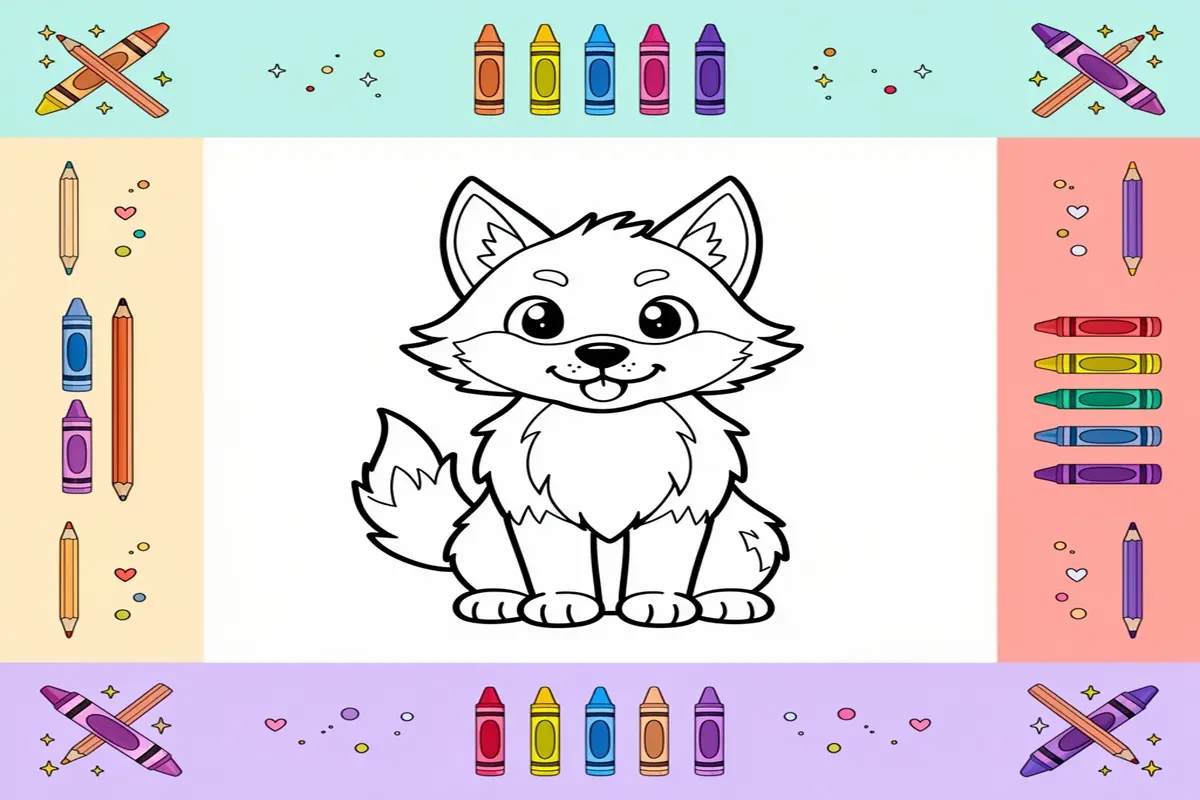
In the quiet hush of a creative afternoon, a simple page can become a portal to a world of imagination and wonder. For children, coloring is more than just a pastime; it’s a journey of self-expression, a calming ritual, and a delightful challenge. Among the vast menagerie of creatures that captivate young minds, the werewolf stands apart—a figure of thrilling transformation, untamed wilderness, and moonlit mystery. Exploring werewolf coloring pages for kids offers a unique artistic adventure, blending the familiar with the fantastical. It’s an opportunity to navigate the line between human and beast, to play with shadows and light, and to tell a story with every stroke of color. Whether your child is drawn to the gentle giants of the savanna, like those found in our free elephant coloring pages, or the creatures of myth and legend, these activities build fine motor skills, encourage focus, and provide a safe space to explore more complex emotions and narratives through art. Diving into werewolf coloring pages for kids is an invitation to embrace the wild side of creativity.
The Allure of the Howl: Psychology & Creative Appeal
What is it about the figure of the werewolf that so captivates the imagination, making it a compelling subject for children’s art? The answer lies in its powerful symbolism and the rich creative possibilities it unlocks.
Embracing the Inner Wilderness: A Safe Exploration
At its heart, the werewolf represents transformation and the duality within us all. For a child, coloring a werewolf isn’t about fear; it’s about mastering it. It’s a chance to engage with the concept of change and powerful emotions in a controlled, artistic environment. Choosing colors for its fur—will it be classic greys and browns, or fantastical blues and silvers?—becomes an exercise in decision-making and personal storytelling. This process can be incredibly empowering, allowing kids to navigate feelings of strength, wildness, and even vulnerability on their own terms.
From Folklore to Fun: A Mythological Journey
The werewolf is a creature steeped in global folklore, from ancient European legends to modern cinematic tales. Introducing werewolf coloring pages for kids opens a door to these stories. It’s a tactile starting point for conversations about mythology, different cultural traditions, and the timeless human fascination with the natural world. This context enriches the coloring experience, transforming it from a simple activity into a mini-adventure in learning and cultural exploration, much like engaging with our collection of Greek mythology coloring pages.
Designed for Every Young Artist: Accessibility & Engagement
The beauty of werewolf coloring pages for kids lies in their versatility. Designs can range from simple, cartoon-style werewolf pups perfect for small hands and budding confidence, to more detailed scenes of a howling figure against a full moon for older children seeking a challenge. This ensures that whether your child is a preschooler just learning to stay within the lines or a tween honing their shading techniques, there is a page that meets them at their skill level, fostering a sense of accomplishment and joy in their artistic journey.
Part 2: Professional Materials & Preparation for werewolf coloring pages for kids
To transform your werewolf coloring pages for kids from a simple activity into a captivating artistic experience, the right materials and setup are crucial. Proper preparation not only enhances the final artwork but also makes the process more enjoyable and skill-building for young artists. This section details the essential toolkit and environment needed to tackle the intricate fur, dramatic moonlight scenes, and spooky details often found in these mythical creature designs.
The Foundation: Selecting Premium Paper for werewolf coloring pages for kids
The paper you choose is the single most important factor in coloring success. For werewolf coloring pages for kids, which may involve heavy layering for dark forests or subtle blending for misty backgrounds, standard printer paper is insufficient. Opt for a dedicated coloring book with thick pages or print your pages on heavyweight paper. Look for smooth Bristol board (around 100-110 lb/160-200 GSM) for pencils and markers, as it prevents bleed-through and allows for seamless blending. A slightly textured mixed-media paper can add depth to the werewolf’s fur when using colored pencils. For a fun thematic link, consider using parchment-style paper for an aged, mysterious look perfect for a legendary creature scene.
Best Coloring Tools: Markers vs. Pencils for Mythical Details
The choice between markers and colored pencils defines the artwork’s style. For vibrant, graphic werewolves with bold contrasts, alcohol-based markers (like Copic or budget-friendly alternatives) offer seamless blends for moonlight gradients and deep, rich blacks. However, for detailed work on the werewolf’s fur texture, claws, and the gnarled trees of its habitat, professional-grade colored pencils are superior. Prismacolor Premier or Faber-Castell Polychromos pencils have soft, pigmented cores that allow for layering—starting with light grays and browns, building up to dark shadows, and adding highlights with whites or creams. A hybrid approach often yields the best results: markers for large background areas and pencils for intricate creature details.
Finishing Touches: Gel Pens, Highlights, and Special Effects
Elevate your werewolf coloring pages for kids with strategic accents. Metallic silver or white gel pens are indispensable for creating moonbeams, highlighting glinting eyes, and adding details to claws and fangs. They can also draw fine hairs on the werewolf’s mane for a realistic touch. For a spooky, ethereal glow, consider using a light touch of glitter glue (applied sparingly) on the eyes or a full moon. If your young artist is exploring mixed media, a soft pastel or chalk background can quickly create a foggy, atmospheric forest setting. These tools empower kids to add professional-level effects that make their mythical scene pop off the page.
Perfect Workspace: Ergonomics and Lighting for Focused Creativity
A proper workspace prevents fatigue and fosters concentration. Ensure the coloring surface is stable and at a comfortable height to promote good posture. Natural daylight is the ideal light source for true color perception; supplement with a bright, white LED desk lamp to eliminate shadows and reduce eye strain, especially when working on fine details like the werewolf’s snarling teeth. Keep supplies organized in cups or trays—having pencils sorted by color family (all grays together, browns together) speeds up the creative process. For extended sessions, incorporate short breaks to maintain focus. Preparing a dedicated, well-lit space signals that this is a valued creative endeavor, much like the care one would take with more detailed projects like realistic animal coloring pages.
Part 3: Unleashing Creativity: Professional Techniques for werewolf coloring pages for kids
Ready to transform your child’s werewolf coloring pages for kids from simple outlines into stunning, dynamic artwork? This guide moves beyond basic filling to introduce professional techniques that build confidence and artistic skill. By mastering a few key methods, young artists can add incredible depth, realism, and drama to their mythical creatures.
Harmonious Palettes: Color Theory for Fearsome Beasts
Understanding simple color relationships can make a werewolf scene pop. For a classic, eerie look, use an analogous palette of blues, blue-greens, and purples for the night sky and shadows, making the werewolf the warm focal point. For a more dramatic, supernatural effect, try complementary colors—imagine a werewolf with fur in shades of burnt sienna or gray, set against a background of eerie, deep blue-green. This contrast creates instant energy. For inspiration on natural animal colors, explore our realistic animal coloring pages.
From Flat to 3D: Mastering Shading and Depth
The secret to a werewolf that looks like it could leap off the page is shading. First, decide on your light source (e.g., the moon). Then, use a three-step approach:
1. Base Layer: Apply the main fur color evenly.
2. Mid-Tones: Add a slightly darker shade to areas facing away from the light—like the underside of the muzzle, the back of the legs, and one side of the body.
3. Shadows & Highlights: Use your darkest color in deep crevices (between muscles, under the jaw) and gently add a light color (like a pale yellow or white) to the very tips of fur catching the moonlight.
Adding Realism: Texturing Fur, Claws, and Night Skies
Texture brings your werewolf to life.
Fur: Instead of coloring in smooth lines, use short, quick, overlapping strokes that follow the direction the fur grows (out from the snout, down the legs). Layer different browns, grays, and blacks for a rich, shaggy look.
Claws and Teeth: Leave a thin, white highlight along the curve of each claw and tooth to suggest a hard, glossy surface.
* Environment: Create a spooky night sky by lightly blending blues and purples, and add a textured forest using our detailed forest coloring pages for kids as a reference for tree bark and leafy canopies.
The Art of Correction: Gracefully Fixing Coloring Mistakes
Mistakes are part of the process! If color goes outside the lines, don’t panic. Carefully use a white gel pen or a sharpened white colored pencil to redefine the border. For small smudges, a kneaded eraser can gently lift color without damaging the paper. If an area becomes too dark, sometimes the best fix is to incorporate it—turn that dark blotch into a deeper shadow or a rock in the scene. The key is to stay creative and flexible, ensuring the journey of coloring werewolf coloring pages for kids remains fun and stress-free.
Showcasing Your Werewolf Coloring Pages for Kids: Creative Display Ideas
Once the artistic howls have quieted and the last crayon is down, it’s time to celebrate your child’s masterpiece. Moving beyond the refrigerator door, these creative ideas turn their werewolf coloring pages for kids into lasting keepsakes and thoughtful gifts.
Preserving Your Masterpiece: Archival Tips
To ensure those vibrant colors last, consider simple preservation methods. For special pieces, use acid-free spray fixatives to prevent wax bloom from crayons. Laminating sheets offer a durable, wipeable finish perfect for frequently handled art. Alternatively, place the artwork in an inexpensive frame with a mat border for a gallery-wall feel. Storing flat portfolios or large envelopes protects pages from creases, creating a time capsule of their creative growth.
Beyond Display: Creative DIY Projects
Transform completed pages into unique crafts. Cut out the colored werewolf and glue it onto a folded cardstock for a spooky, homemade greeting card. Create custom bookmarks by laminating a narrow strip of the artwork and adding a tassel. For a fun party decoration, string multiple pages together as a Halloween banner. You can even mod-podge them onto a wooden box or journal cover, making a personalized gift that showcases their talent.
Your Werewolf Coloring Pages for Kids Questions Answered
Navigating the world of mythical creatures and crafts can spark curiosity. Here are answers to some common questions about werewolf coloring pages for kids.
How do you draw a werewolf step by step?
Start with basic shapes: an oval for the head and a larger one for the torso. Add snout, pointed ears, and furry limbs. Define muscular legs and large paws with claws. Finally, draw a bushy tail and add details like sharp teeth and menacing eyes. Remember, practice makes perfect, and using simple werewolf coloring pages for kids as a reference can be a great help!
What colors are werewolves usually?
Werewolves are typically depicted in shades of gray, brown, black, and dark tan to mimic a wolf’s natural fur. Eyes often glow yellow, amber, or eerie green. However, creativity is key! There’s no rule against a purple or blue werewolf in your child’s imaginative world, making these werewolf coloring pages for kids a fantastic outlet for personal expression.
What are the benefits of coloring for child development?
Coloring enhances fine motor skills and hand-eye coordination. It fosters creativity, color recognition, and focus. The activity also provides a calming, screen-free outlet for emotional expression and stress relief, building patience and a sense of accomplishment with each completed page.
How do I print coloring pages from the internet?
Find a high-quality image or PDF on a trusted site. Open the file and select “Print” from your browser or software menu. In print settings, ensure you’re printing at full size or “Fit to Page.” Use standard printer paper for practice or heavier cardstock for a better finish with markers. Always supervise children around printers.
Where can I find free Halloween coloring pages?
Many educational and crafting websites offer free, printable Halloween-themed collections. You can find everything from friendly ghosts to spooky pumpkins. For a fantastic selection of seasonal and animal pages, explore our library of free Halloween coloring pages and other fun themes to keep the creativity flowing all year.
Final Thoughts: Your Werewolf Coloring Pages for Kids Journey Begins
The adventure with werewolf coloring pages for kids is about so much more than staying inside the lines. It’s a journey into a world of imagination, where creativity roams freely and fine motor skills are honed with every colorful stroke. These activities provide a wonderful, shared opportunity for bonding, storytelling, and celebrating your child’s unique artistic voice. As they bring these mythical creatures to life, they’re not just coloring—they’re building confidence, focus, and joyful memories.
We hope this guide inspires countless hours of creative fun. Remember, every masterpiece starts with a single splash of color. Ready for your next adventure? Explore our dragon coloring pages for kids and let the mythical creativity continue!