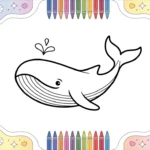
We offer a wide collection of free, high-quality printable coloring pages for kids and adults. From cute animals to intricate mandalas, our designs bring creativity and relaxation to everyone. Download, print, and start coloring today!

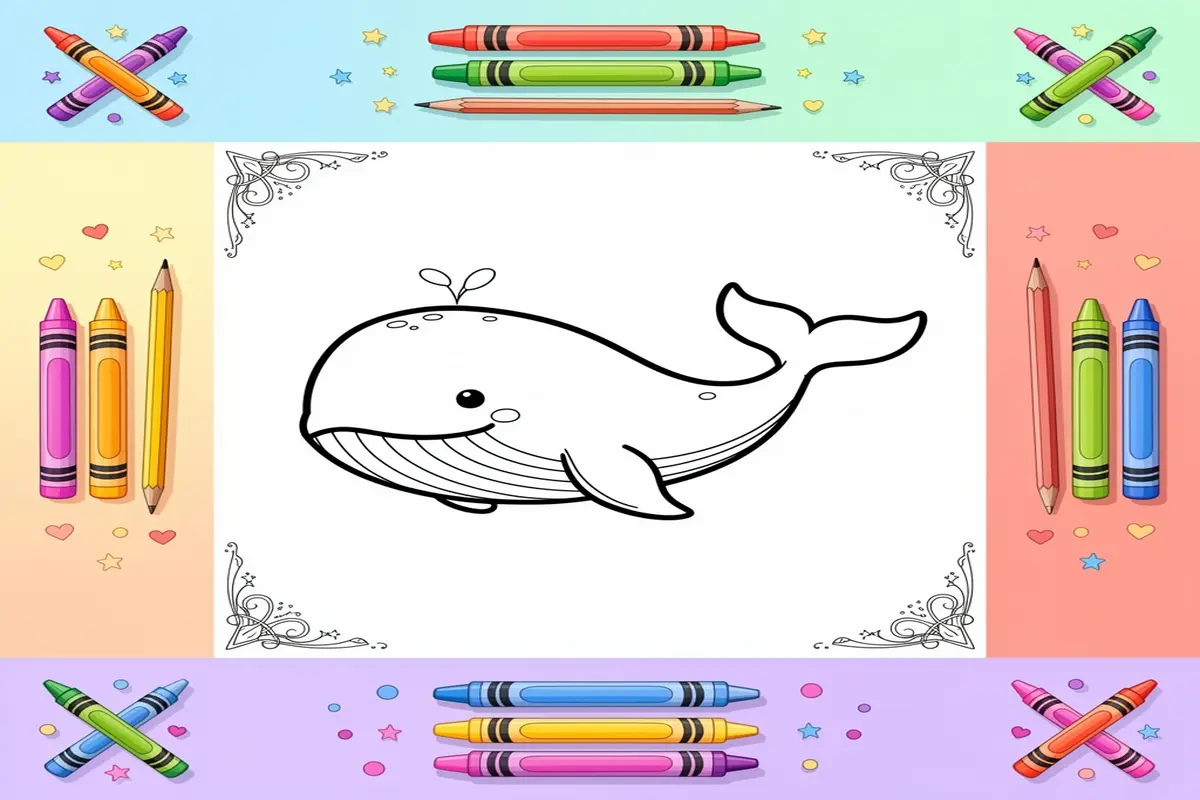
Imagine the quiet focus of a child, crayon in hand, as they bring a magnificent blue whale to life on the page. This simple act is more than just play; it’s a portal to imagination, learning, and calm. whale coloring pages for kids offer a unique blend of artistic expression and educational discovery, captivating young minds with the grandeur of the ocean’s gentle giants. From the sleek silhouette of an orca to the colossal form of a humpback breaching, these pages invite children on an undersea adventure where creativity knows no bounds. The appeal lies not only in the fascinating subject but in the developmental journey—enhancing fine motor skills, color recognition, and a budding appreciation for marine life. As a cornerstone of oceanic themes, these activities pair beautifully with other sea creature explorations, such as our delightful dolphin coloring pages, to create a comprehensive underwater saga. Engaging with whale coloring pages for kids transforms a quiet afternoon into an enriching experience, building a foundation for both artistic confidence and environmental wonder.
The Deep Blue Allure: Psychology & Timeless Appeal
The Calm of the Creative Current: Mindfulness in Motion
In our fast-paced digital age, the focused tranquility of coloring is a welcome respite. The act of selecting colors and filling intricate spaces on whale coloring pages for kids demands a present-moment awareness that naturally quietens a busy mind. This mindful engagement reduces anxiety and improves concentration, offering a therapeutic outlet for children. The rhythmic motion of coloring, combined with the serene imagery of whales gliding through peaceful waters, creates a powerful calming effect. It’s a simple yet effective tool for emotional regulation, helping children navigate their feelings through a non-verbal, creative process.
Giants of Story and Symbol: A Cultural Canvas
Whales have sailed through human mythology and history for millennia, symbolizing everything from deep wisdom to monumental strength. By coloring these majestic creatures, children unconsciously connect with a rich cultural tapestry. They aren’t just coloring an animal; they’re engaging with a symbol of the ocean’s mystery and might. This context can spark curiosity about marine biology, conservation, and the stories different cultures tell about these mammals. Introducing whale coloring pages for kids becomes a springboard for deeper conversations about nature, science, and our planet’s incredible biodiversity, making art a gateway to learning.
Designed for Every Young Explorer: Curated for All Skill Levels
The beauty of this activity lies in its universal accessibility. Whether your child is a toddler gripping their first crayon or a budding artist refining their shading techniques, there is a whale illustration to match their ability. Simple, bold outlines are perfect for developing hand-eye coordination, while more detailed scenes with underwater landscapes challenge older children to experiment with color blending and texture. This inclusivity ensures that every child can experience the joy and satisfaction of completing their masterpiece, building confidence with every page they bring to vibrant life. It’s a personalized creative journey, proving that whale coloring pages for kids truly offer something for every young explorer at sea.
Professional Materials & Preparation for whale coloring pages for kids
To ensure a smooth and enjoyable coloring session, proper preparation is key. Having the right materials on hand before printing your whale coloring pages for kids can elevate the activity from a simple pastime to a rich, creative, and educational experience. This section details the essential supplies and setup considerations to help parents and educators create an optimal environment for young artists.
The Foundation: Selecting Premium Paper for whale coloring pages for kids
The paper you choose is the canvas for your child’s masterpiece and significantly impacts the final result. For standard whale coloring pages for kids, a bright white, medium-weight paper (around 80-100 GSM) is ideal. It provides a smooth surface for fine details like a humpback’s pleated throat or an orca’s distinctive eye patch, while being thick enough to prevent bleed-through from markers. If using wet mediums like paint or heavy markers, upgrade to cardstock (120-160 GSM) or dedicated marker paper. For a thematic extension, consider pairing your whale project with other marine life sheets, such as these engaging shark coloring pages free printable kids, to create an entire ocean scene on sturdy paper.
Best Coloring Tools: A Detailed Medium Comparison
The choice of coloring tool defines the artistic outcome and caters to different skill levels and desired effects.
Colored Pencils: Excellent for control and detail, making them perfect for older children. Look for soft-core pencils with high pigment levels for vibrant, blendable colors. They allow for layering to create depth in the ocean waters or subtle shading on the whale’s massive body.
Wax Crayons: A classic for younger hands, offering bold, opaque coverage. They are best for larger areas and creating textured effects, though they lack fine-point precision for tiny details.
Markers: Provide brilliant, uniform color. Fine-tip markers are superb for outlining and details, while broad tips are great for filling vast ocean backgrounds. Opt for alcohol-based markers for professional, bleed-free blending on thicker paper, or water-based varieties for easier cleanup with younger children.
Finishing Touches: Enhancing Details with Specialty Tools
Once the base coloring is complete, specialty tools can add impressive finishing touches to your whale coloring pages for kids.
Gel Pens and Metallic Markers: These are perfect for adding shimmering highlights to water droplets, creating a sunbeam effect through the waves, or making the whale’s eye gleam. White gel pens are invaluable for adding ocean foam or correcting small over-colors.
Blending Tools: For colored pencils, paper blending stumps or a touch of odorless mineral spirits (for adults to supervise) can create smooth gradients, ideal for realistic shading on the whale’s underbelly.
Fine Liners: A black fine-liner pen can be used to redefine any lines that may have become obscured during coloring, ensuring the majestic whale illustration remains crisp.
Perfect Workspace: Optimizing Lighting and Ergonomics
A well-prepared workspace prevents fatigue and keeps the focus on creativity.
Lighting: Ensure the area is well-lit with natural light or a bright, white LED lamp to reduce eye strain and allow for accurate color perception. This is crucial when working on the subtle blue and gray hues of different whale species.
Surface & Posture: Provide a hard, flat surface for coloring. For extended sessions, ensure the child’s feet are flat on the floor and the table height allows for a relaxed arm position. Protecting the table with a large cardboard sheet or a dedicated craft mat simplifies cleanup.
Organization: Use cups or trays to organize coloring tools. Having a simple damp cloth for sticky fingers and a scrap sheet of paper for testing colors keeps the main whale coloring pages for kids clean and allows for hassle-free experimentation.
Part 3: Elevating Your Art: Advanced Techniques for Whale Coloring Pages for Kids
Ready to transform your child’s whale coloring pages for kids from simple outlines into stunning, gallery-worthy masterpieces? This section delves into professional techniques that build artistic skill and confidence. By mastering a few key concepts, you can help young artists bring incredible depth and life to their oceanic scenes. For a broader collection of marine life to practice on, explore our free dolphin coloring pages and shark coloring pages.
Harmonious Palettes: Color Theory for Whale Coloring Pages for Kids
Understanding basic color relationships can make a whale coloring page pop. Teach kids about complementary colors (opposites on the color wheel), like blues and oranges. A blue whale with subtle orange plankton in the background creates vibrant contrast. For a calmer, more realistic ocean scene, use analogous colors—colors next to each other, like different shades of blue, green, and turquoise. This technique is perfect for creating a serene underwater gradient that makes the whale the focal point.
From Flat to 3D: Mastering Shading Techniques
Shading is the magic that adds volume. Start by choosing a light source direction (e.g., the top left). Then, practice these steps on a whale’s body:
1. Base Layer: Apply the main color evenly.
2. Mid-Tones: Add a slightly darker shade on the side opposite the light source, like along the whale’s lower belly and tail.
3. Shadows: Use an even darker color in the deepest areas, like under the flippers or the crease where the tail meets the body.
4. Highlights: Leave the area closest to the light source (the top of the whale’s back) the lightest, or add a touch of white or very light blue.
This step-by-step approach turns a flat shape into a massive, three-dimensional creature.
Adding Realism: Creating Oceanic Textures
Different parts of the scene call for different textural tricks. For the whale’s skin, use small, overlapping circular strokes with a blunted pencil or crayon to suggest a bumpy, barnacle-speckled surface. For ocean water, use long, smooth, horizontal strokes in varying blues and greens. To show movement, add gentle swirls or bubbles around the whale. For a splashing tail, use short, directional dashes radiating outward. These methods help separate the whale from its environment, adding incredible realism to your whale coloring pages for kids.
The Art of Correction: Gracefully Fixing Coloring Errors
Mistakes are part of the process! Here’s how to fix them without frustration:
Waxy Crayon Smudges: Place a plain paper over the smudge and gently rub with a warm spoon. The wax will often transfer to the top sheet.
Colored Pencil Outside the Lines: Use a white eraser for small errors. For larger areas, creatively incorporate the stray mark into the background—turn it into a fish, a bubble, or a cloud of krill.
Overly Dark Shadows: Lighten them by gently layering a lighter color on top. A white or light blue colored pencil can blend and soften a shadow that’s too intense.
The key is to stay flexible and creative, showing kids that “mistakes” can often lead to new artistic discoveries.
Showcasing Your Whale Coloring Pages for Kids: Creative Display Ideas
Once your young artist has completed their whale coloring pages for kids, it’s time to celebrate their work! Moving beyond the coloring book, displaying their masterpieces boosts confidence and transforms their art into a cherished part of your home.
Preserving Your Masterpiece: Archival Tips
To ensure those vibrant blues and greys last, consider simple preservation methods. For long-term display, use acid-free tape or photo corners to mount the page in a frame without damaging it. Laminating is a fantastic, kid-friendly option that protects against spills and tears, making the art durable enough for repeated admiration. You can even create a rotating “gallery wall” in a playroom to showcase the latest oceanic creations.
Beyond Display: Creative DIY Projects
Turn completed coloring pages into meaningful projects. Help your child make personalized greeting cards by gluing their colored whale onto folded cardstock. Create unique bookmarks by laminating a strip cut from the page. For a grand gift, decoupage several whale coloring pages onto a wooden box or picture frame. These activities extend the creative fun and teach the value of repurposing art. For more marine life inspiration, check out our delightful dolphin coloring pages.
Your Whale Coloring Pages for Kids Questions Answered
How do you draw a whale step by step?
Start with a simple curved line for the whale’s back. Add a parallel, slightly wavy line underneath for the belly, connecting at the tail. Draw a triangle for the tail fin and a smaller one for the dorsal fin. Finish with a gentle curve for the mouth and a dot for the eye. It’s a perfect, simple shape for kids to practice before they dive into their whale coloring pages for kids.
What are the benefits of coloring for children?
Coloring enhances fine motor skills and hand-eye coordination. It serves as a calming, focused activity that boosts concentration and reduces anxiety. It also fosters creativity, color recognition, and provides a wonderful opportunity for self-expression and pride in creating something beautiful.
What colors are whales?
While many whales appear in shades of gray, blue, and black, they can have surprising variations. Humpback whales often have white patches on their fins and bellies. Some, like the blue whale, have a mottled blue-gray appearance. Remember, whale coloring pages for kids are a launchpad for creativity—encourage your child to use any colors that spark their imagination!
How to print coloring pages from the internet?
Find a high-quality image or PDF on a trusted site. Click the print icon or use your browser’s print function. In the print settings, ensure “Fit to page” is selected and choose the best paper quality for your printer. Standard printer paper works, but cardstock prevents bleed-through with markers and makes displays sturdier.
Where to find free whale coloring pages?
You can find a wonderful collection of free, printable whale coloring pages right here at Safari Coloring. Our pages feature a variety of whale species and friendly designs perfect for all ages. Simply visit our dedicated section to download and start your oceanic adventure today!
Final Thoughts: Your Whale Coloring Pages for Kids Journey Begins
The journey with whale coloring pages for kids is about so much more than staying inside the lines. It’s a gentle voyage into a world of creativity, learning, and quiet, focused joy. From discovering fascinating ocean giants to developing essential skills and finally showcasing their artwork with pride, each step is a building block for confidence and happy memories.
We hope this guide inspires countless hours of colorful, imaginative play. Remember, every page colored is a story told and a skill nurtured. Ready for your next adventure? Explore our entire underwater world with our fish coloring pages!