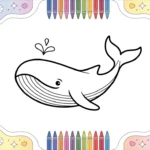
We offer a wide collection of free, high-quality printable coloring pages for kids and adults. From cute animals to intricate mandalas, our designs bring creativity and relaxation to everyone. Download, print, and start coloring today!

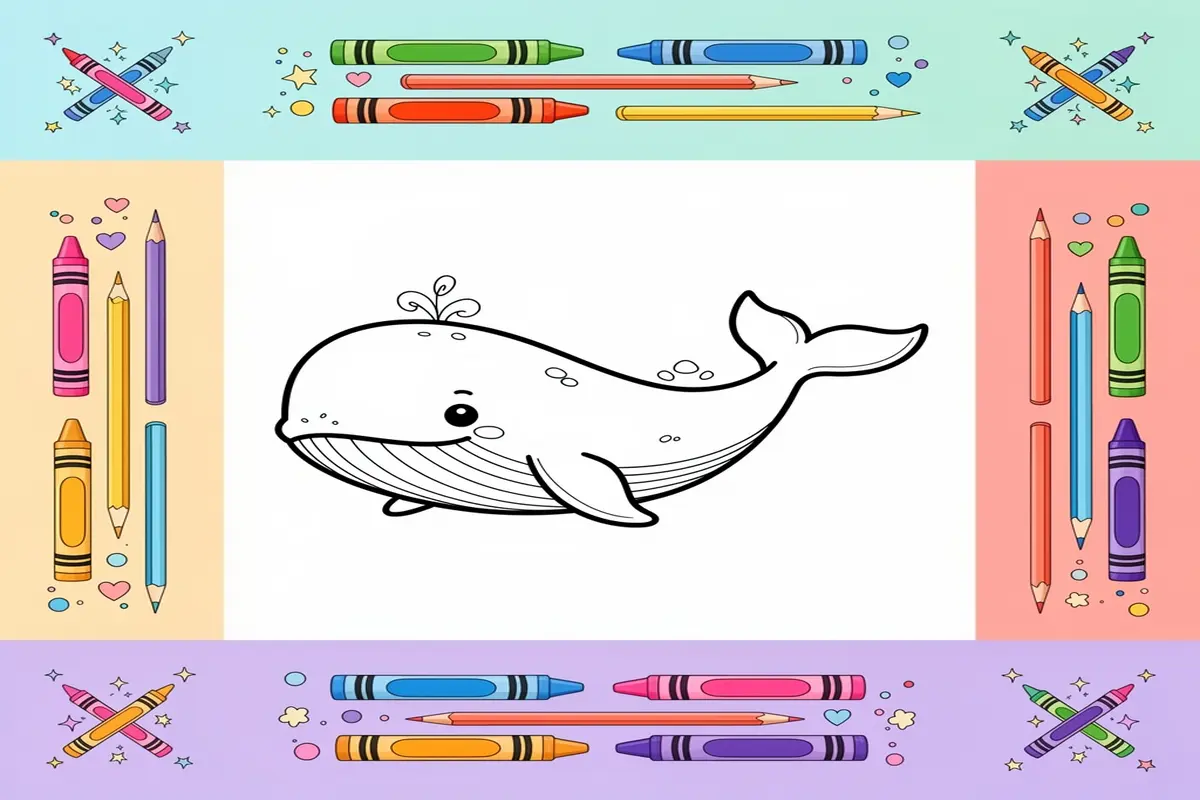
Imagine the quiet focus of a child, crayon in hand, as they bring to life the majestic curve of a humpback’s tail or the gentle smile of a beluga. This simple act is more than just play; it’s a portal to imagination, fine motor skill development, and serene mindfulness. whale coloring pages for kids offer a unique blend of education and artistry, transforming a love for the ocean’s gentle giants into a tangible, creative adventure. These pages aren’t merely outlines to be filled; they are invitations to explore marine biology, discuss ocean conservation, and experiment with a spectrum of blues and greys. From the intricate patterns of a killer whale to the colossal silhouette of a blue whale, each page presents a new opportunity for discovery and calm. For a vast collection to begin this aquatic journey, explore our treasure trove of free whale coloring pages, or expand the undersea expedition with companions like playful dolphin coloring pages and mysterious shark coloring pages. Engaging with whale coloring pages for kids is a delightful way to anchor a rainy day or create a peaceful family moment, making a splash in the world of creative learning.
The Deep Blue Appeal: Psychology & Enduring Charm
What is it about these leviathans of the deep that captures our collective imagination so completely? The appeal of whale coloring pages for kids is multifaceted, rooted in both psychological comfort and awe-inspiring natural wonder.
The Mindfulness of the Monochrome Sea
At first glance, a whale’s color palette seems limited—shades of grey, black, and white. Yet, this very constraint is its psychological strength. For a child (or an adult), facing a vast, blank, detailed whale outline reduces the anxiety of infinite choice. The focus shifts from “what color?” to “what shade?” and “what texture?” This mindful engagement with subtle gradients and patterns induces a state of flow, quieting the mind and building concentration. The repetitive motion of coloring within the grand, smooth lines of a whale’s body is inherently calming, mimicking the gentle, rhythmic waves of the ocean itself.
Giants of Story and Symbolism
Whales are not just animals; they are cultural icons. They swim through our myths, from the biblical Jonah to the epic Moby-Dick, representing everything from profound depth and emotion to unstoppable nature. When a child colors a whale, they are unconsciously connecting to this rich tapestry of storytelling and symbolism. It becomes a canvas for more than just hues—it’s a prompt for narratives about adventure, family (think pod dynamics), and the protection of our planet’s magnificent creatures. This layer of cultural weight adds a silent, enriching depth to the creative exercise.
A Spectrum for Every Sailor
The beauty of this theme is its incredible accessibility. For the youngest toddlers, a simple, bold whale silhouette helps practice grip and boundary recognition. For school-aged children, more detailed pages featuring barnacles, water splashes, and oceanic backgrounds challenge their dexterity and inspire research. Even adults find solace and complex artistic challenge in ornate, mandala-style whale designs. Whether the goal is basic skill development, educational enrichment, or pure stress relief, whale coloring pages for kids are curated to meet a vast sea of skill levels and intentions, making them a timeless resource in any creative arsenal.
Part 2: Essential Materials & Professional Preparation for whale coloring pages for kids
To transform your whale coloring pages for kids from a simple activity into a vibrant, educational, and confidence-boosting art project, the right materials and setup are crucial. This guide details the professional-grade supplies and preparation steps that parents and educators should consider, ensuring every child can fully engage with the intricate details of majestic humpbacks or playful orcas. Proper preparation not only elevates the final artwork but also enhances the child’s focus and enjoyment.
The Foundation: Selecting Premium Paper for whale coloring pages for kids
The paper you choose is the single most important factor in coloring success. For detailed whale coloring pages for kids, standard printer paper (20-24 lb) often bleeds and warps. Opt for a heavier weight:
Cardstock (65-80 lb): The ideal choice for most young artists. It’s thick enough to prevent bleed-through from markers, handles pencil layering well, and provides a sturdy surface for display.
Mixed Media Paper (90+ lb GSM): A premium option for children who love to experiment. Its textured surface holds multiple mediums—from wet watercolors for ocean backgrounds to waxy crayons—without buckling.
Presentation Tip: For a polished finish, lightly tape the page’s edges to a flat board before coloring to prevent curling, especially when using wet mediums.
The Artist’s Palette: Comparing Coloring Mediums & Tools
The choice between mediums defines the artistic outcome. Each has distinct advantages for bringing sea creatures to life.
Colored Pencils (Wax-Based & Oil-Based): Offer superior control for fine details like a whale’s baleen plates or the subtle patterns on its skin. They are excellent for teaching blending, shading, and gradient techniques. Look for pencils with soft, pigmented cores that require minimal pressure.
Markers (Alcohol vs. Water-Based):
Alcohol-based markers provide seamless, bleed-free blends perfect for creating the deep, fluid blues of the ocean. They require specialized marker paper to prevent bleed-through.
Water-based markers are child-friendly and easy to clean. Use them with cardstock, and keep a fine-tip brush and water handy to create beautiful watercolor effects for underwater scenes.
Crayons: Their waxy texture is excellent for creating rubbings or textured effects, simulating the feel of a whale’s skin or bubbly water. They pair wonderfully with a watercolor resist technique.
Precision & Pop: Detailing Tools and Finishing Touches
Once the base colors are down, these tools add dimension and sparkle, making the artwork truly exceptional.
Gel Pens & Metallic Markers: Indispensable for adding highlights to splashing water, creating a shimmering sunbeam effect, or detailing bubbles. White and silver gel pens are perfect for adding realistic light reflections on a whale’s wet skin.
Fine-Line Ink Pens (Waterproof): Use these to redefine outlines that may have become blurred with heavy coloring or to add intricate patterns and textures. They are essential for older children working on advanced whale coloring pages for kids.
Blending Tools: Paper stumps (tortillons) or colorless blender pencils are key for teaching realistic shading, helping smooth pencil strokes to create the smooth, massive form of a whale’s body.
Creating the Ideal Creative Workspace: Ergonomics & Environment
A well-prepared space fosters concentration and creativity while minimizing mess and fatigue.
Lighting: Ensure the workspace is flooded with natural light or use a daylight-spectrum lamp to reduce eye strain and allow for true color perception, which is vital when blending shades of blue and gray.
Ergonomics: The chair and table height should allow the child’s feet to rest flat and their elbows to be at a 90-degree angle. For very young children, consider taping the paper to the table to stabilize it.
Organization & Inspiration: Use cups or trays to organize tools by type. Having a clean water cup (for brushes), a scrap paper for testing colors, and a simple damp cloth for quick clean-ups keeps the session flowing smoothly. For added inspiration, you might display other completed ocean-themed artworks, such as detailed dolphin coloring pages for kids, to discuss different marine life textures and colors.
Part 3: Elevating whale coloring pages for kids: From Simple to Stunning
Ready to transform those whale coloring pages for kids from flat outlines into vibrant, dimensional masterpieces? This guide moves beyond basic filling to introduce techniques that will amaze both young artists and their parents. By mastering a few key concepts, you can help children unlock a new level of creativity and pride in their work. Let’s dive into the artistic skills that make whale coloring pages for kids truly come alive.
Link: For a full collection of oceanic friends to practice on, explore our free dolphin coloring pages and jellyfish coloring pages.
Harmonious Palettes: Color Theory for whale coloring pages for kids
Choosing colors isn’t just about preference; it’s about creating mood and harmony. Teach kids two simple concepts:
Analogous Colors: These are neighbors on the color wheel, like blues, blue-greens, and purples. Using them for a humpback whale creates a serene, natural look, perfect for blending the whale into its ocean home.
Complementary Colors: These sit opposite each other (e.g., blue and orange). A splash of bright orange coral or a sunset sky behind a blue whale makes the whale “pop” with exciting contrast. Start by asking, “Should our whale feel calm and cool, or bold and dramatic?”
From Flat to 3D: Mastering Light and Shadow
The secret to making a whale look round and massive is shading. Guide kids through this simple, step-by-step mindset:
1. Choose Your Light Source: Decide where the “sun” is (e.g., top left). Every shadow will be on the opposite side.
2. Pressure Control: Color the areas farthest from the light (the whale’s underside, the right side if light is top-left) with heavier pencil pressure for a darker tone.
3. Gradual Blending: Use lighter pressure as you color toward the “light.” For a smooth transition, try using a cotton swub or a colorless blender pencil to gently smudge the colors together.
4. Highlight: Leave a tiny white spot on the whale’s back where the light would hit directly. This single step adds incredible volume.
Adding Realism: Creating Water and Skin Textures
A whale isn’t just a smooth blob. Use these tricks to add believable texture:
Ocean Water: Instead of one flat blue, use short, scribbly strokes in varying shades of blue and green. Leave tiny white spaces for sparkle. Add some wavy lines for motion. For more underwater scenes to practice on, our ocean coloring pages offer great variety.
Whale Skin: Some whales have barnacles or mottled skin. Lightly dotting with a gray or brown pencil over the base color can create this effect. For the sleek skin of an orca, focus on super-smooth, even shading with your pencils.
The Art of the “Happy Accident”: Graceful Corrections
Mistakes are part of the process! Turn them into lessons:
Colored Outside the Lines? Don’t panic. Often, you can incorporate the stray mark into the background—turn it into a bubble, a small fish, or a wave.
Too Much Pressure, Too Dark? Use a white colored pencil or crayon to gently go over the area and lighten it. You can then add a new color on top.
Wrong Color Choice? Layer over it! Coloring a dark blue over a light unintended mark can often cover it beautifully. Embrace the layered, mixed-media look it creates.
By integrating these techniques, children learn that whale coloring pages for kids are more than an activity—they’re a canvas for exploring art, science, and their own growing capabilities.
Showcasing Your whale coloring pages for kids: Creative Display Ideas
Once your young artist has filled their whale coloring pages for kids with vibrant life, it’s time to celebrate their work! Moving beyond the coloring book, displaying their masterpieces boosts confidence and transforms their art into a cherished part of your home.
Preserving Your Masterpiece: Archival Tips
To ensure those colorful creations last, consider simple preservation methods. For a professional touch, use acid-free tape or photo corners to mount them on colored cardstock before framing. A quick, light spray with a clear, non-yellowing art fixative can prevent crayon or pastel smudging. For a digital archive, scan or photograph the finished pages in good light, creating a gallery you can revisit or print again anytime.
Beyond Display: Creative DIY Projects
Turn completed pages into meaningful gifts and keepsakes. Laminate a favorite design and trim it to create a unique bookmark. Fold a colored page around a blank cardstock insert to make a stunning, personalized greeting card. For a grand project, compile a series of finished ocean scenes into a custom storybook, combining them with other sea creatures from our fish coloring pages collection for an underwater adventure tale.
Your whale coloring pages for kids Questions Answered
How do you draw a whale step by step?
Start with a simple curved line for the whale’s back. Add a larger curved line underneath to form the belly, connecting at a point for the head. Draw a smiling mouth and a gentle eye. Finish with a classic triangular tail and a small dorsal fin on top. It’s a simple, joyful shape perfect for kids to practice before they dive into their whale coloring pages for kids.
What are the benefits of coloring for children?
Coloring enhances fine motor skills and hand-eye coordination as children learn to control their strokes. It fosters creativity and color recognition while also serving as a fantastic, screen-free activity for relaxation and focus. It’s a peaceful way for kids to express emotions and build confidence in their artistic abilities.
What colors are whales?
In reality, whales are often shades of gray, blue-gray, black, and white. Humpback whales have distinctive black backs with white undersides on their flippers and bellies. However, the beauty of whale coloring pages for kids is the freedom to imagine! Encourage children to use any colors they love—from rainbow orcas to polka-dotted blues—sparking creativity and joy.
How to print coloring pages from the internet?
First, find a high-quality image or PDF from a trusted site. Click the download link or right-click the image and select “Save image as.” Open the file on your computer and select “Print” from the file menu. Ensure your printer has paper and ink, and select “Fit to page” in the print settings for the best results on standard letter-sized paper.
Where to find free whale coloring pages?
You can discover a wonderful variety of free, printable whale coloring pages for kids right here at Safari Coloring! Our collection features everything from cute cartoon whales to more realistic species, all designed to be easily downloaded and printed for hours of creative fun and learning about magnificent ocean life.
Final Thoughts: Your whale coloring pages for kids Journey Begins
The journey with whale coloring pages for kids is about so much more than staying inside the lines. It’s an adventure into the deep blue sea of imagination, a calming practice in mindfulness, and a joyful celebration of a child’s unique perspective. Each page completed is a testament to their growing skills and a beautiful, shared memory of creative time spent together. We hope these ideas for display, DIY projects, and learning have inspired you to make the most of this wonderful activity.
Ready for your next adventure? Explore our dolphin coloring pages to continue the oceanic fun!