We offer a wide collection of free, high-quality printable coloring pages for kids and adults. From cute animals to intricate mandalas, our designs bring creativity and relaxation to everyone. Download, print, and start coloring today!

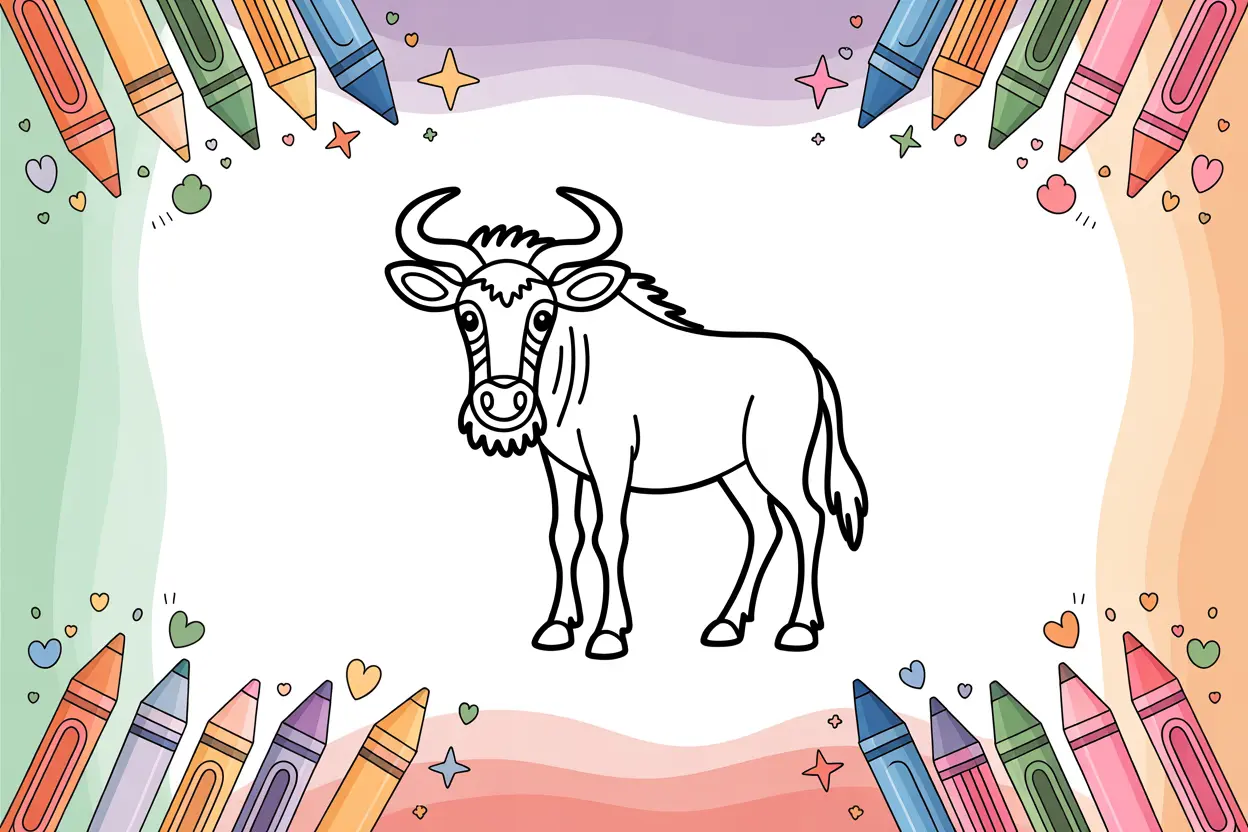
Ever watched your child’s eyes light up when they learn about animals from faraway places? Wildebeest coloring pages offer the perfect way to bring the excitement of the African savannah right into your home! These magnificent animals, also known as gnus, are some of the most fascinating creatures to color, with their distinctive horns, shaggy manes, and powerful builds. Whether you’re a parent looking for educational entertainment or a teacher planning a unit on African wildlife, wildebeest coloring pages provide hours of creative fun while teaching kids about one of nature’s most incredible migration journeys.
In this guide, I’ll share everything you need to know about wildebeest coloring pages—from the educational benefits to age-appropriate options and creative coloring techniques. Let’s dive into the world of these amazing African animals!
Table of Contents

Butterfly on Wildebeest Horn
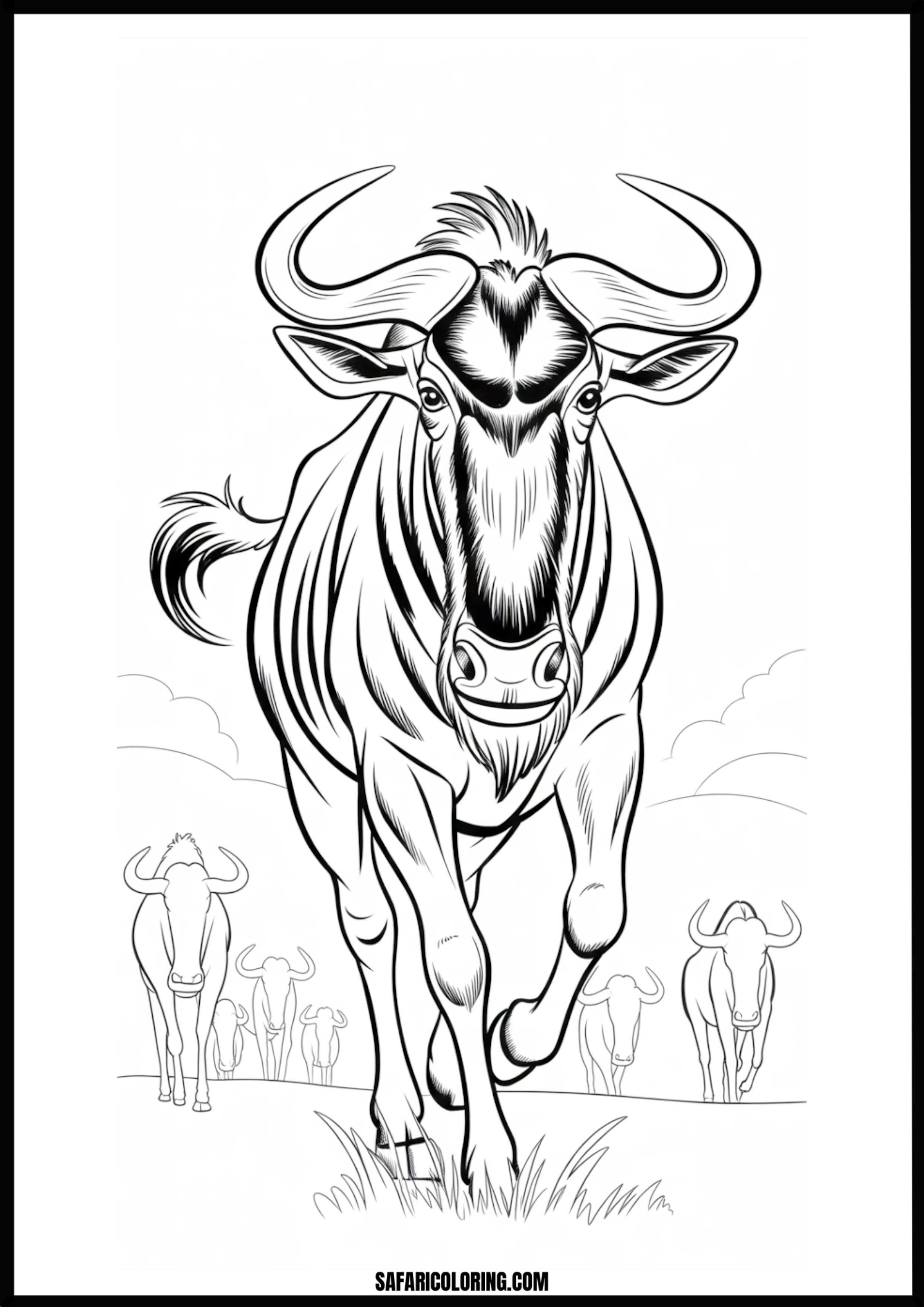
Charging GNU
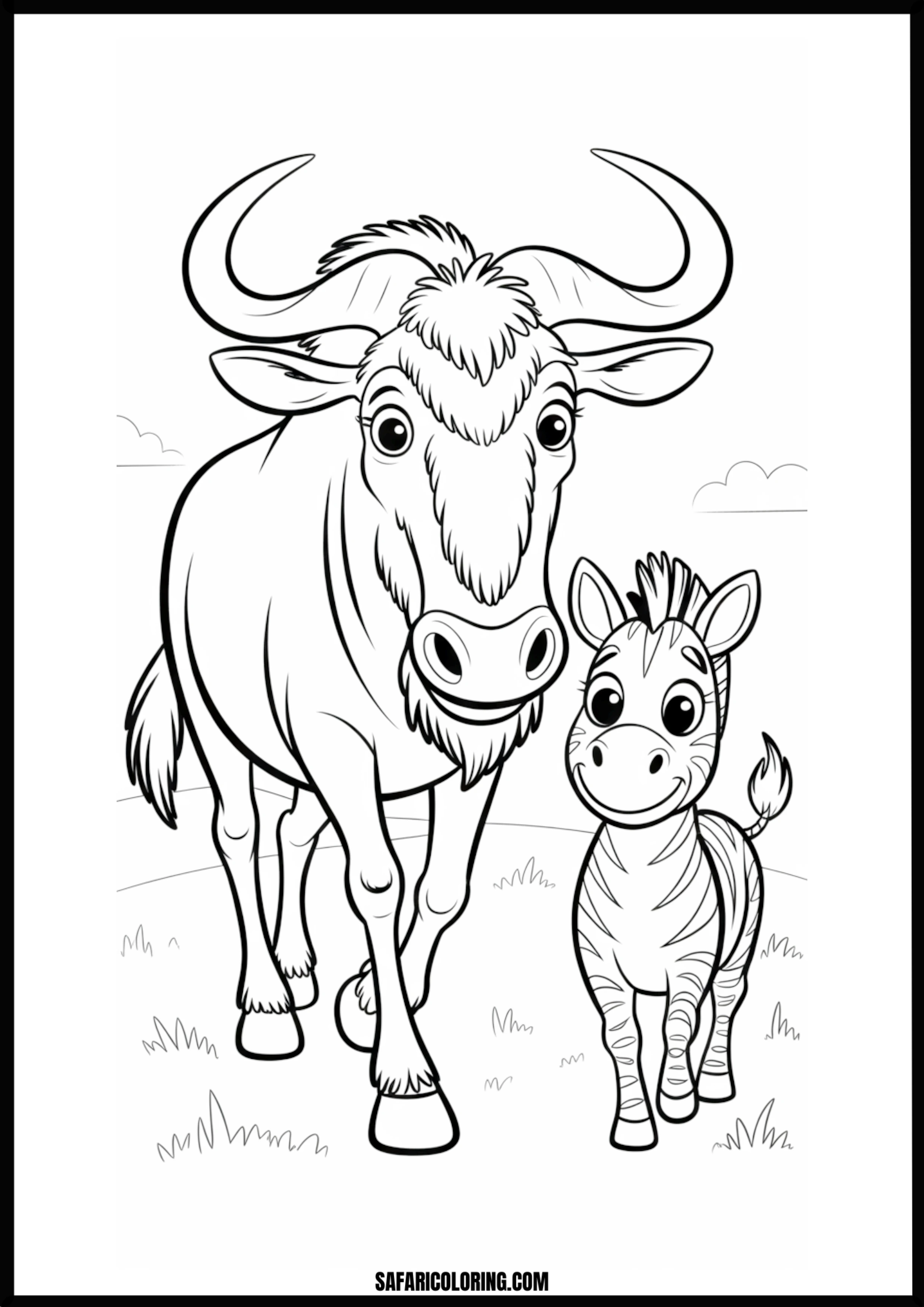
Friendly Wildebeest And Baby Zebra
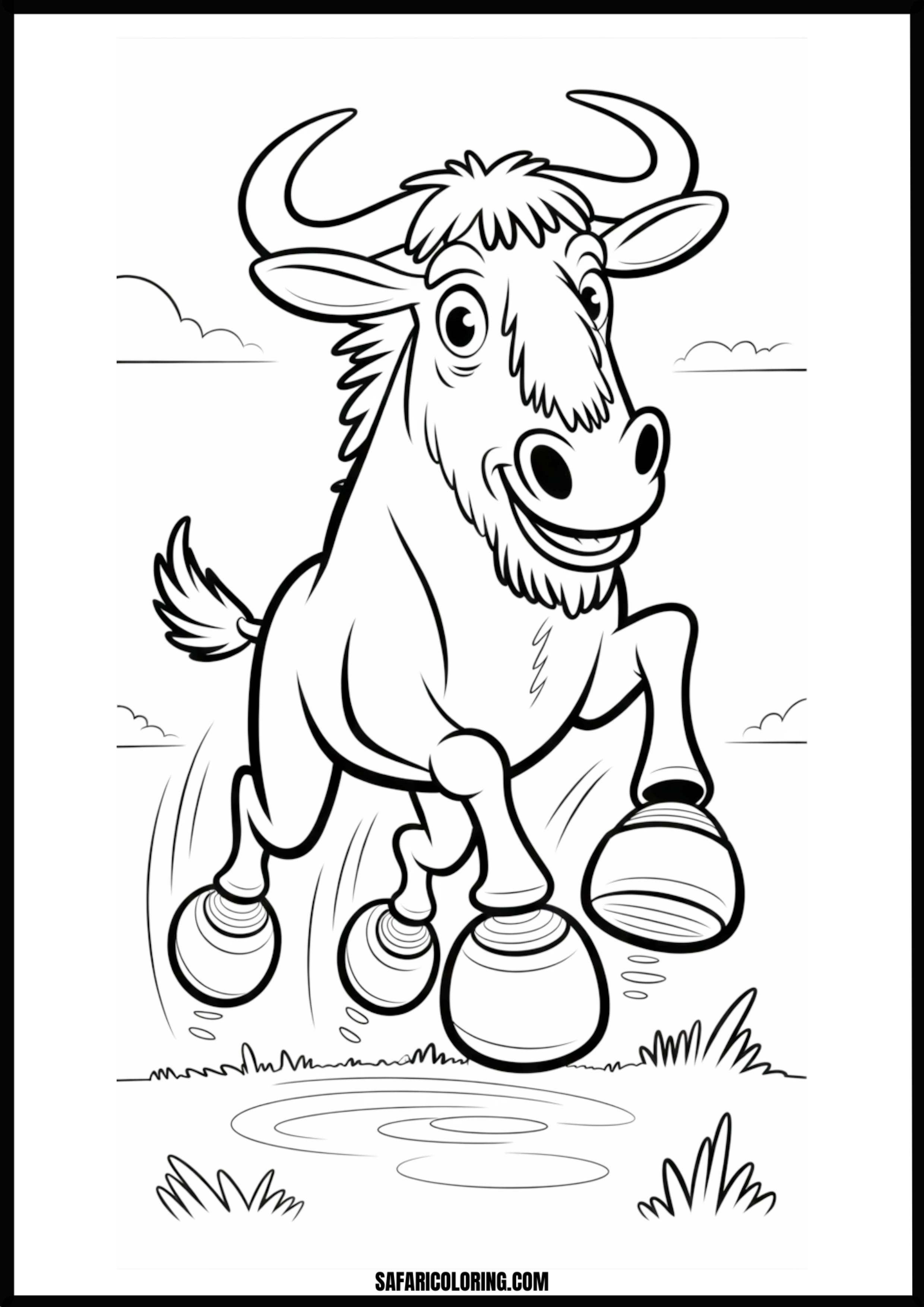
Happy Jumping GNU Outline
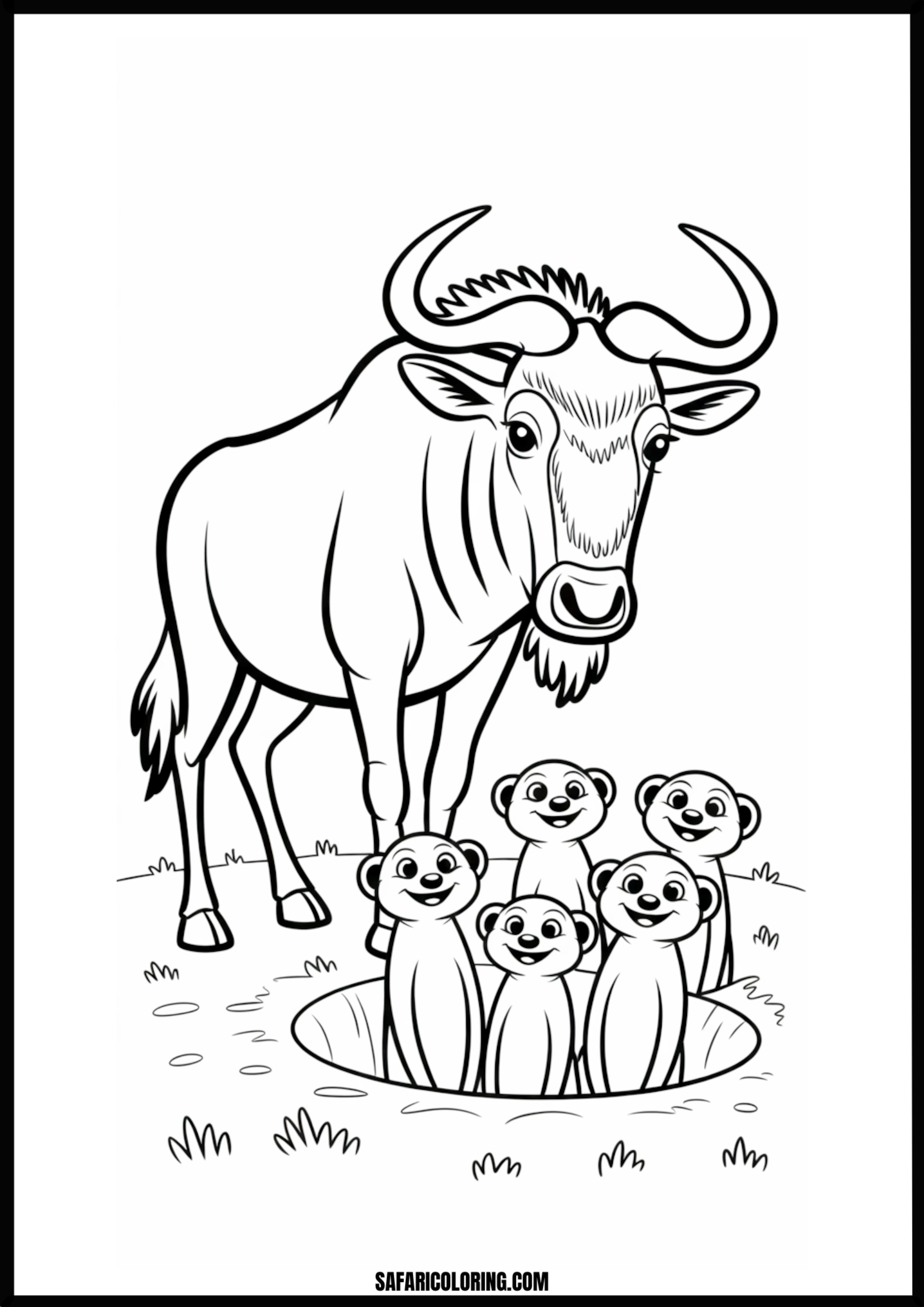
Wildebeest And Meerkats Looking Up From Burrow
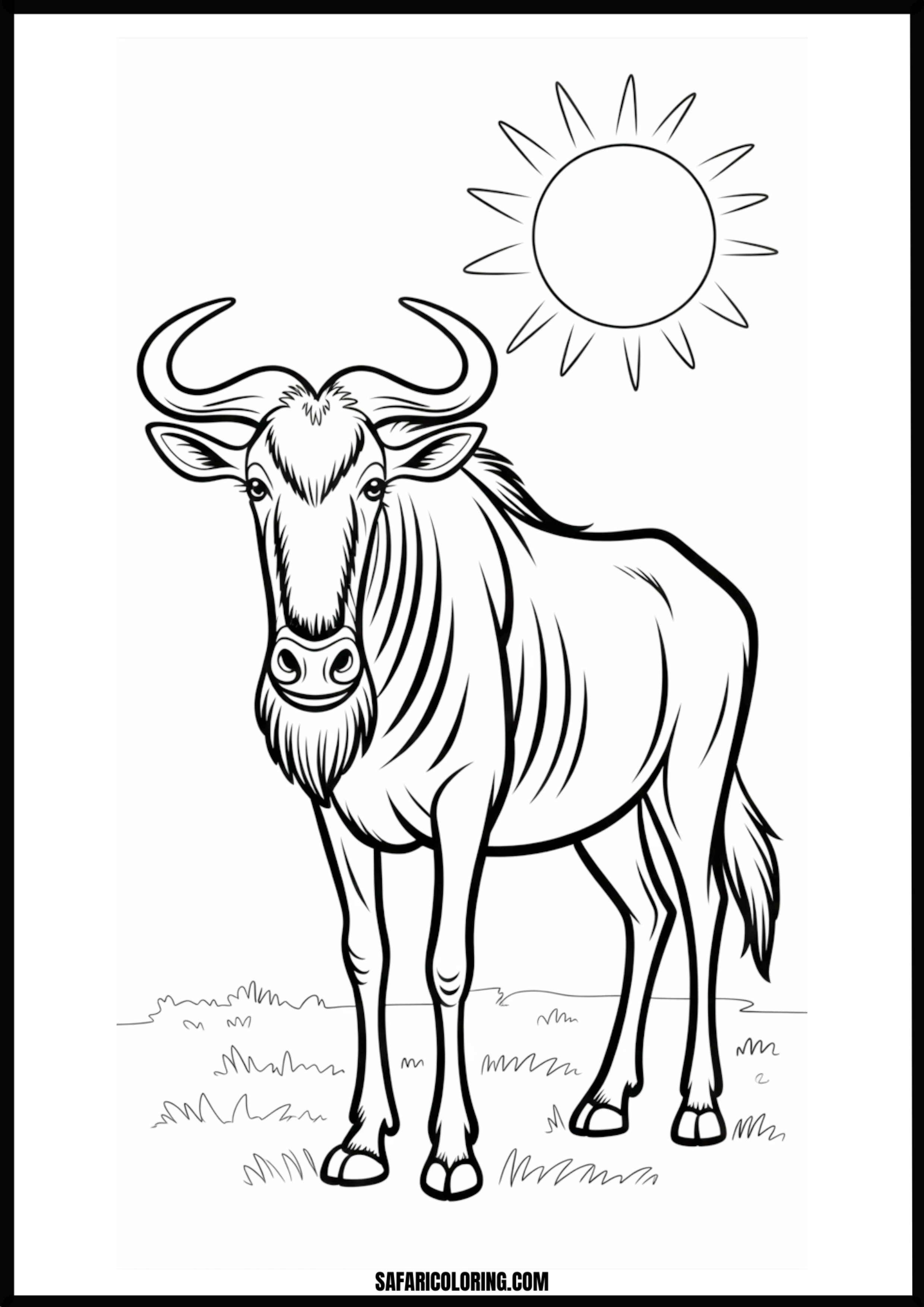
Wildebeest And Sun
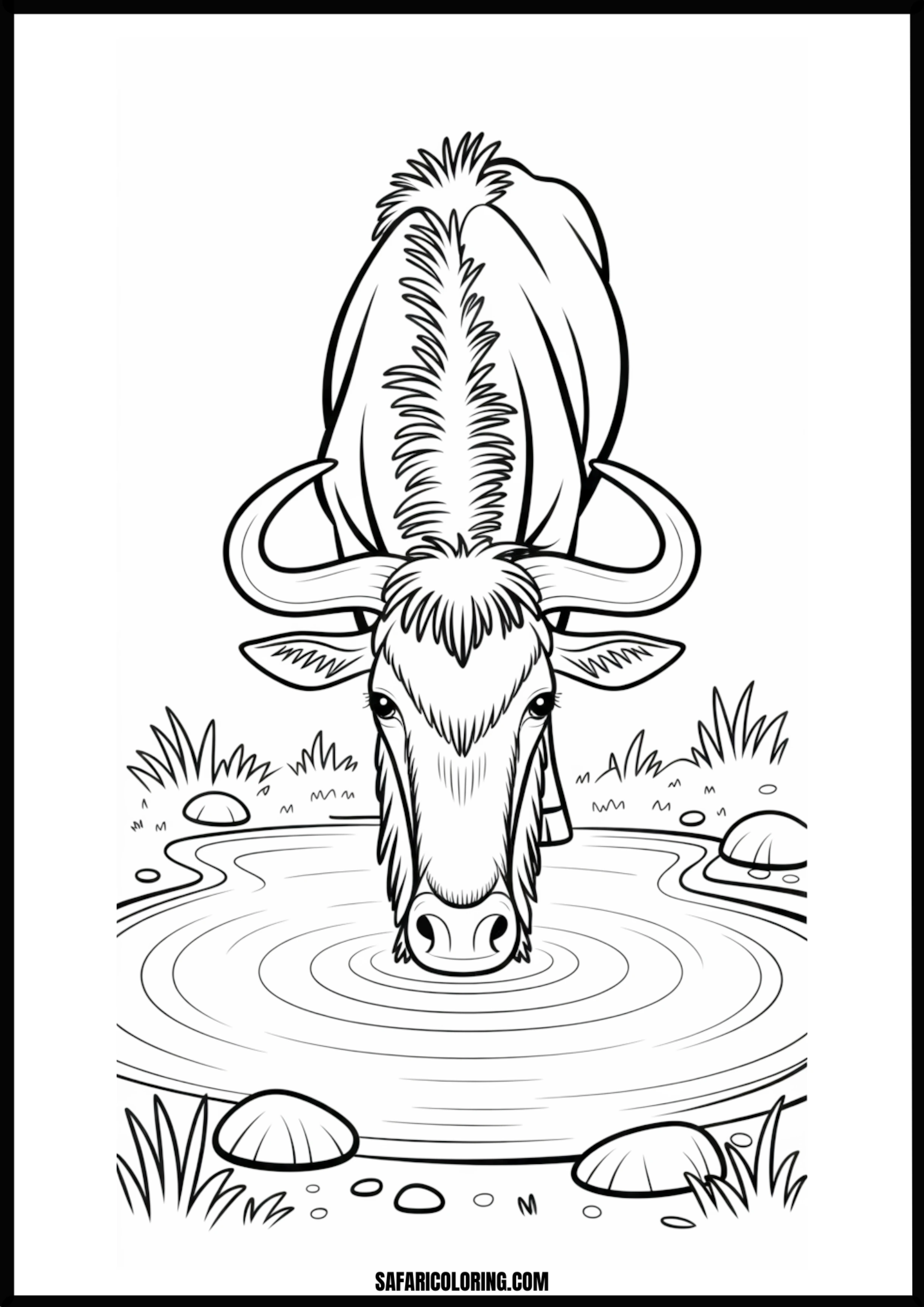
Wildebeest Drinking From Pond
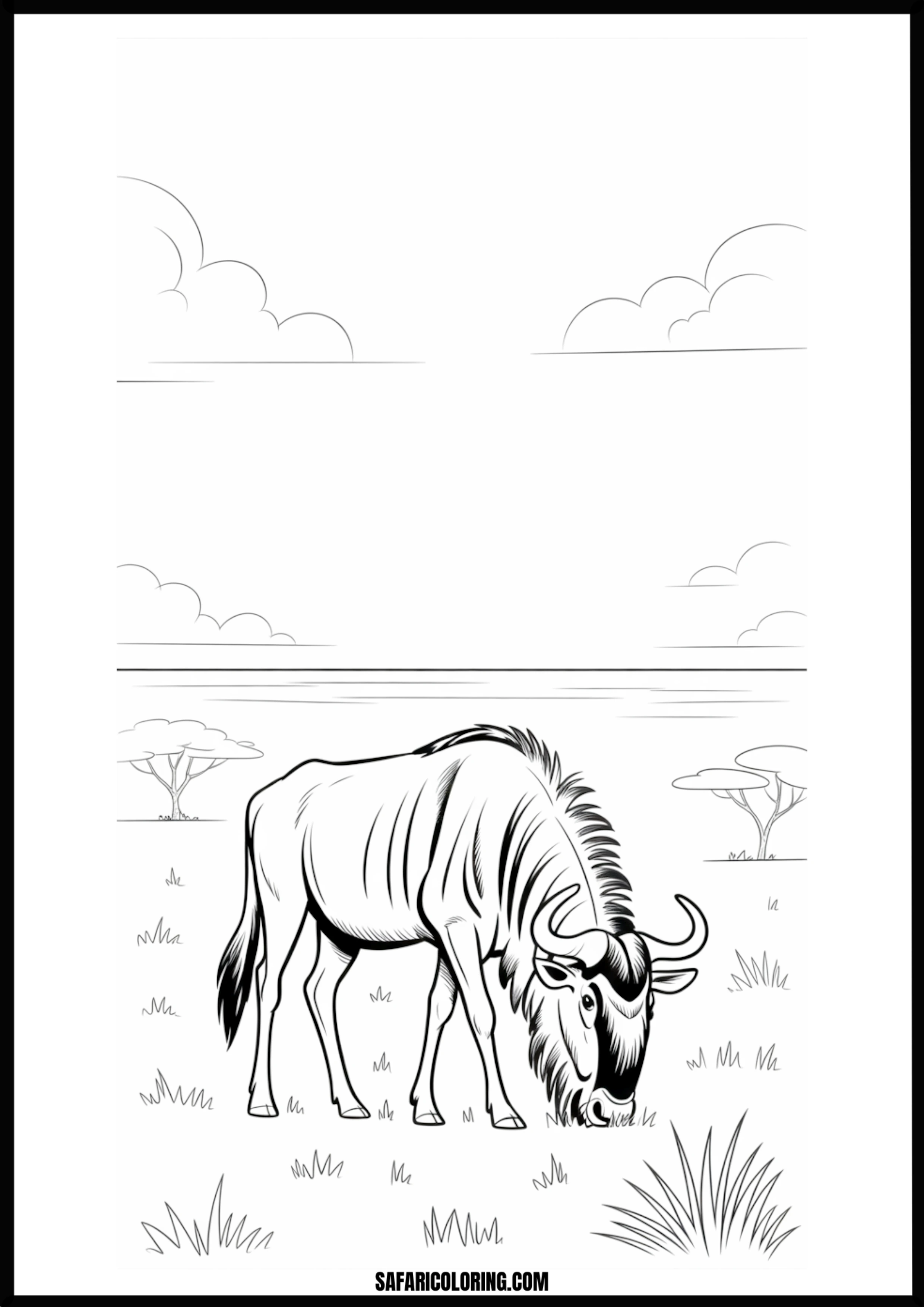
Wildebeest Grazing
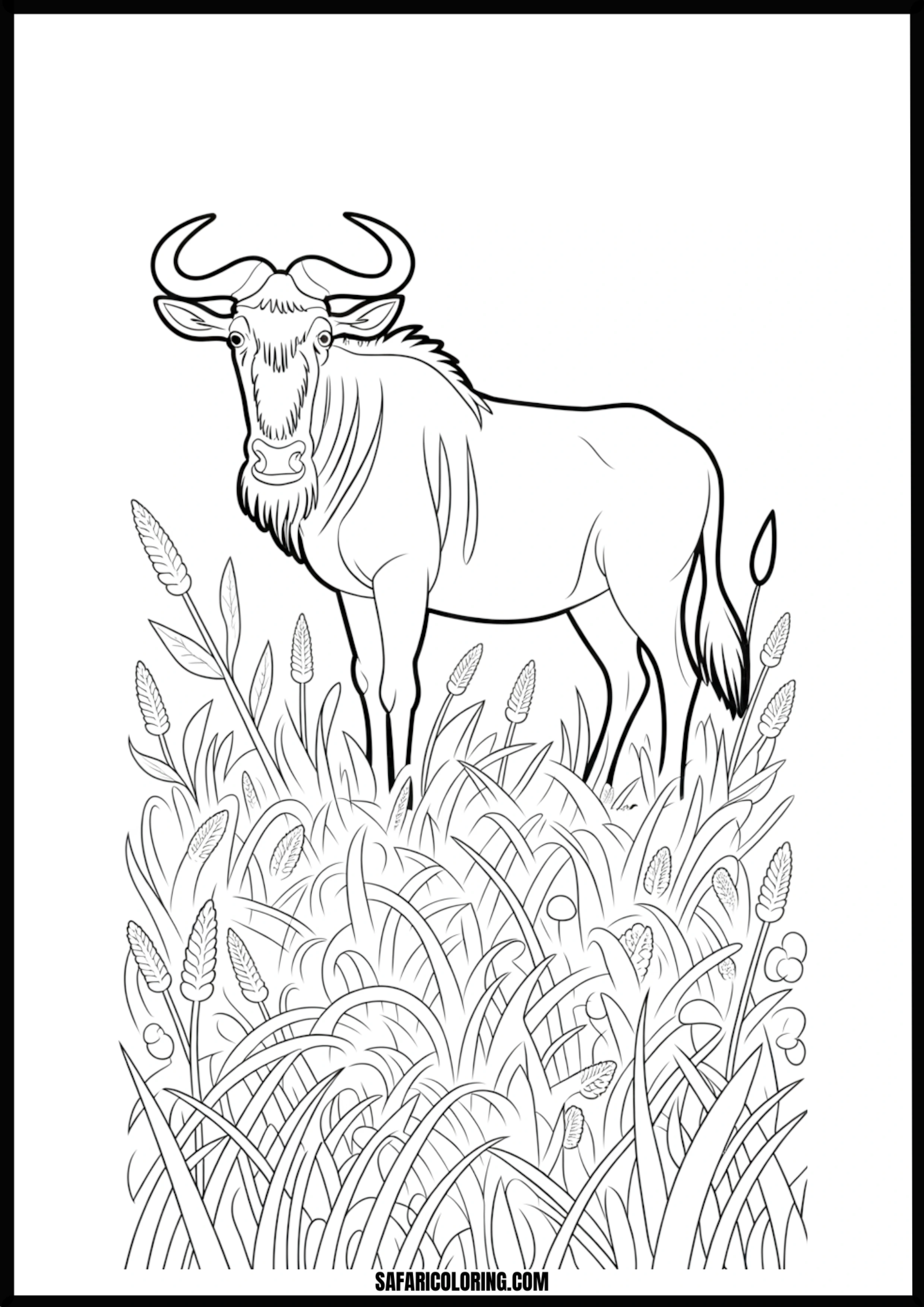
Wildebeest In Grass
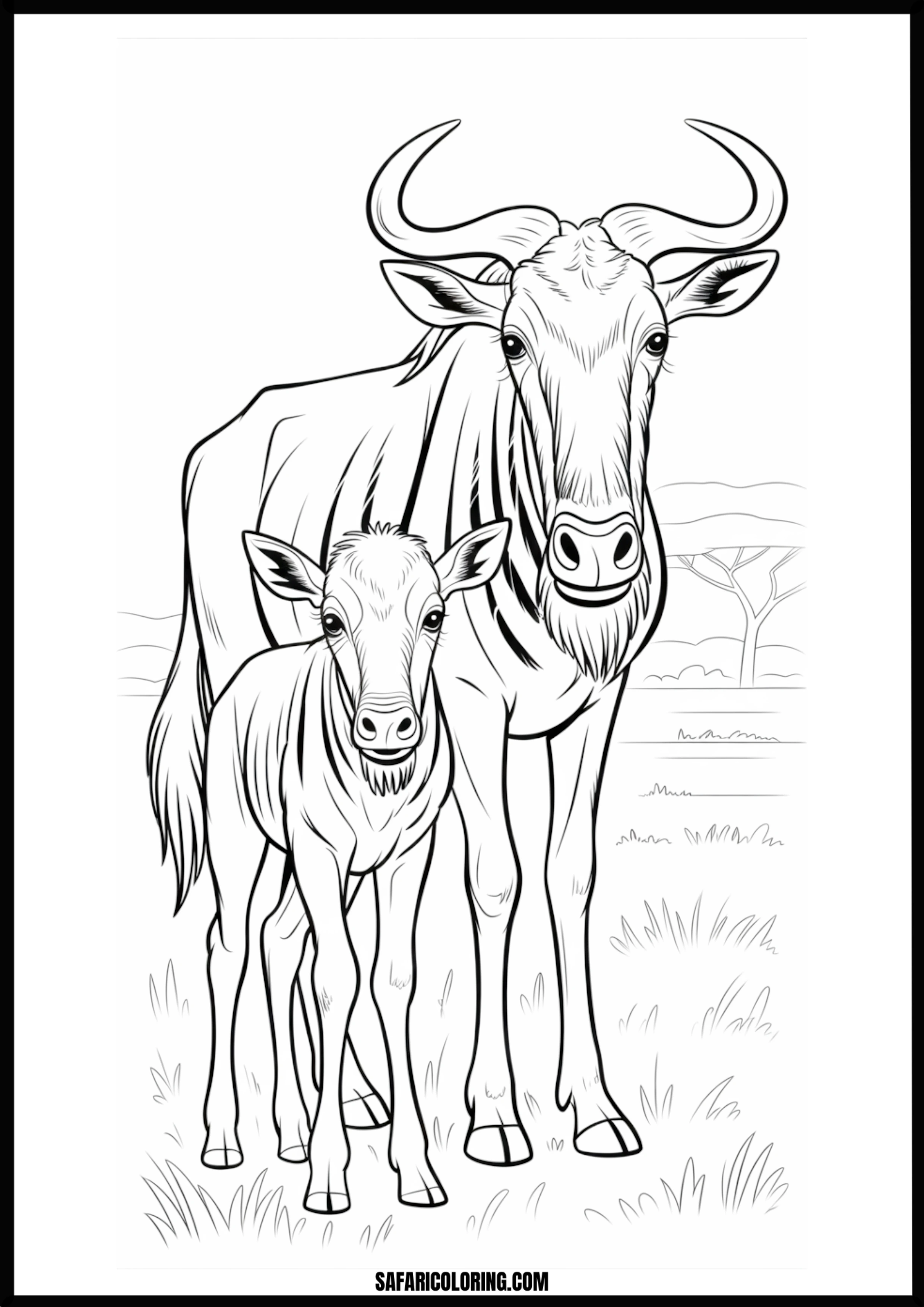
Wildebeest Mother and Calf
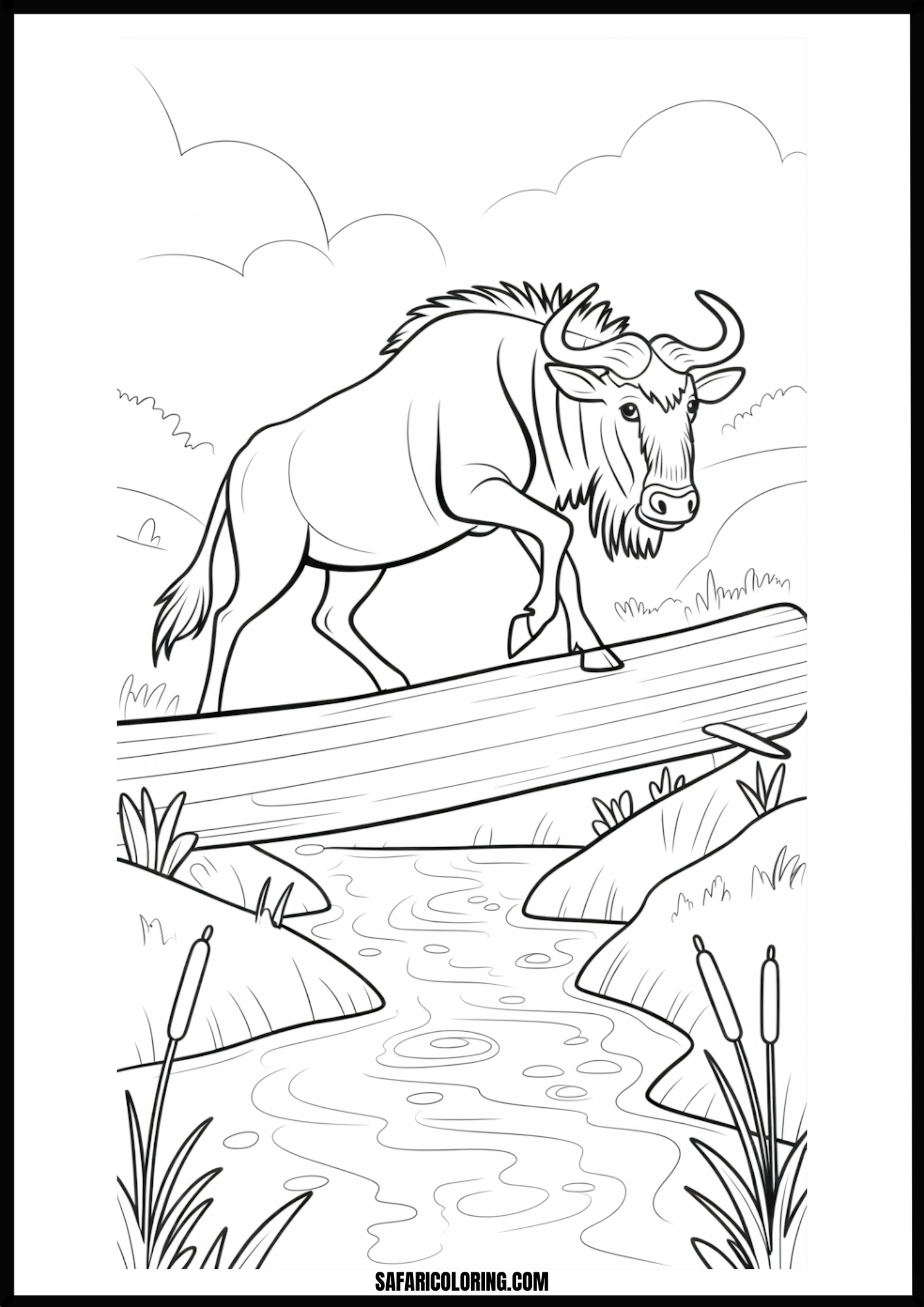
Wildebeest On Log Bridge Over Stream
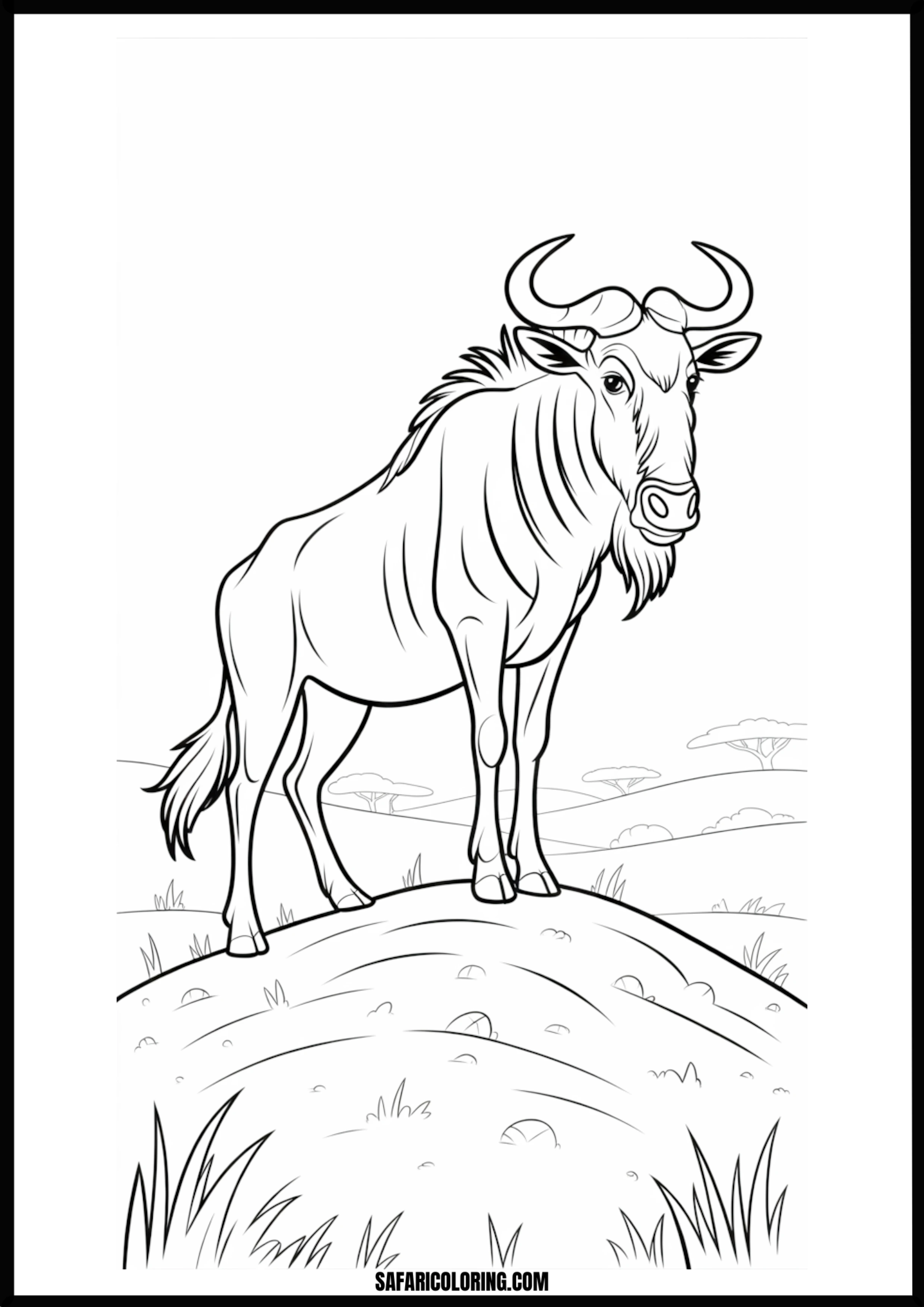
Wildebeest On Savanna Hill
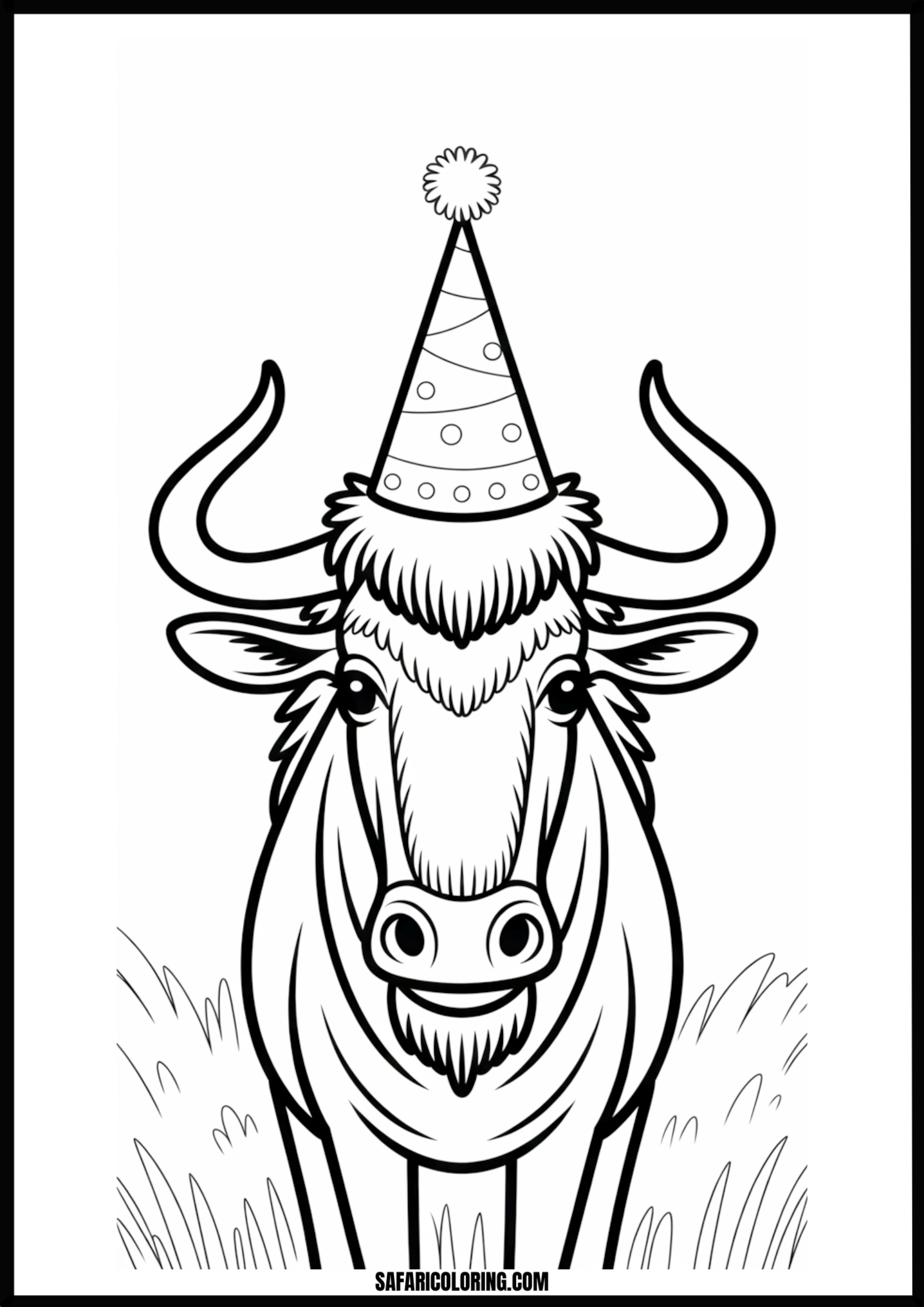
Wildebeest with a Party Hat
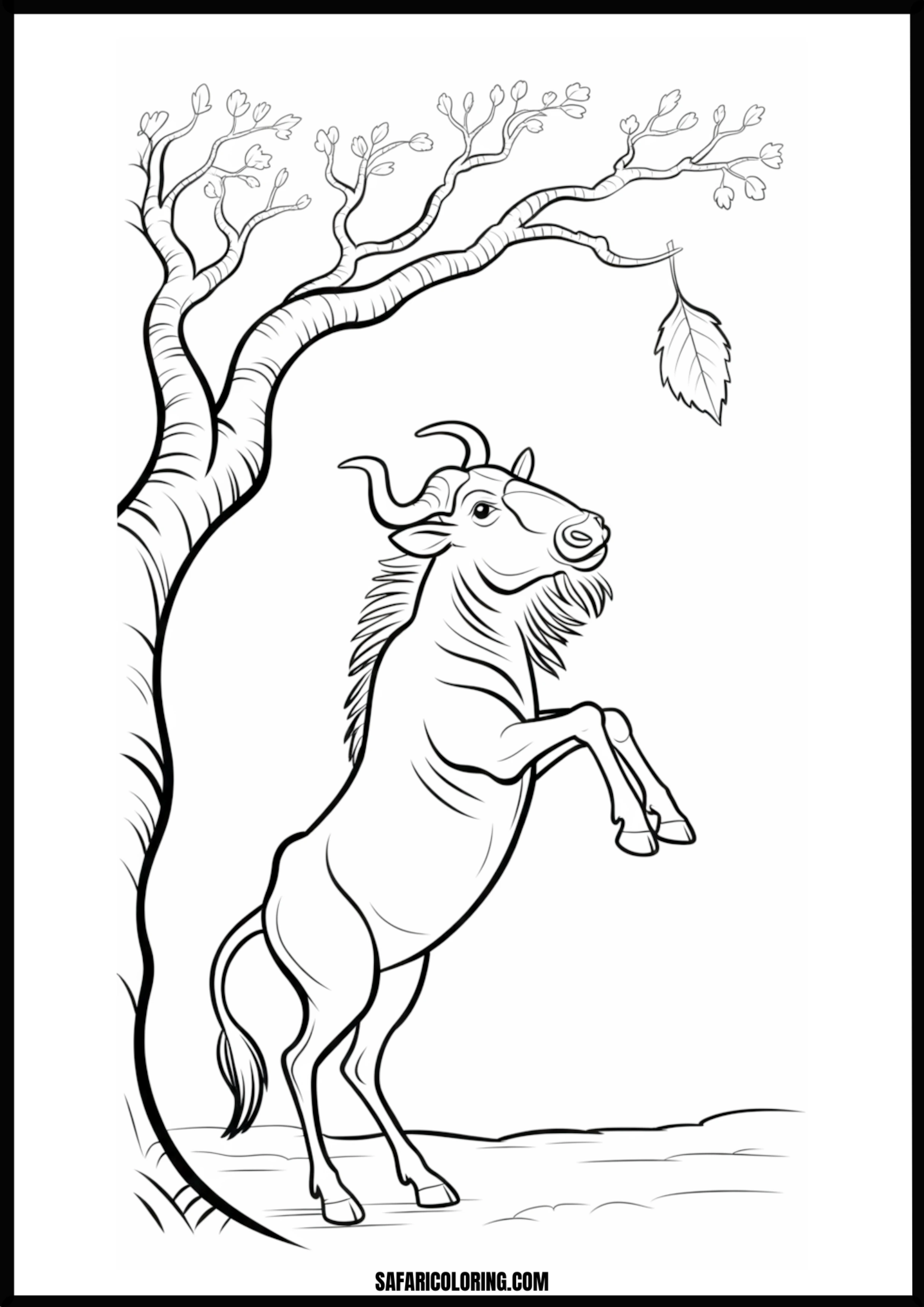
Wildebeest Reaching For A Leaf
Why wildebeest coloring pages are perfect for kids
Looking for an activity that’s both fun and educational? Wildebeest coloring pages check all the boxes! I’ve found that kids are naturally drawn to these unique-looking animals, especially when they learn about the Great Migration.
Coloring helps children develop fine motor skills that are essential for writing and other detailed tasks. When your little one carefully colors within the lines of a wildebeest’s curved horns or shaggy mane, they’re strengthening the small muscles in their hands and fingers. These same muscles will help them hold pencils, use scissors, and button their clothes.
Beyond physical development, wildebeest coloring pages spark curiosity about geography and wildlife. Kids naturally ask questions: “Where do wildebeests live?” “Why do they have those horns?” “What do they eat?” This opens the door to conversations about African ecosystems, animal behavior, and conservation. I’ve seen children become genuinely excited about learning when they’re coloring something that interests them.
Try this: While your child colors their wildebeest coloring sheets, share a fun fact about how millions of wildebeests migrate over 1,800 miles every year! This combination of hands-on activity and storytelling creates memorable learning experiences that stick.
Different types of wildebeest coloring pages available
Not all wildebeest coloring pages are created equal, and that’s actually a good thing! Having variety means you can match the coloring page to your child’s age, skill level, and interests.
Simple outline designs are perfect for younger children who are just developing their coloring skills. These wildebeest coloring pages feature bold, thick lines and minimal details—just the basic shape of a wildebeest with its characteristic features. Toddlers and preschoolers can successfully fill in these large spaces without getting frustrated.
Detailed realistic designs appeal to older children and even adults who enjoy more challenging projects. These realistic wildebeest coloring pages include intricate details like individual strands of mane hair, textured fur, accurate muscle definition, and complex horn patterns. I’ve found that kids ages 8 and up really enjoy the satisfaction of completing these detailed pages.
Scene-based coloring pages take things a step further by showing wildebeests in their natural habitat. Picture this: A coloring page featuring a herd of wildebeests crossing a river, with acacia trees dotting the savannah landscape in the background. These African animal coloring pages teach kids about ecosystems while they color.
Here’s a breakdown of available styles:
- Baby wildebeest pages: Cute, simplified versions perfect for the youngest artists
- Herd migration scenes: Multiple wildebeests traveling together
- Blue vs. black wildebeest: Both species for comparison
- Wildebeest with other animals: Lions, zebras, or gazelles included
- Cartoon-style wildebeests: Fun, friendly interpretations
Best wildebeest coloring pages by age group
Choosing the right complexity level makes all the difference between a frustrating experience and an enjoyable one. Let me break down what works best for different ages.
Ages 2-4 (Toddlers and young preschoolers): At this age, children are just learning to grip crayons and stay somewhat within boundaries. Free printable wildebeest coloring pages for this age group should have very simple outlines with large areas to fill. Look for pages with just the basic wildebeest shape—no complex background details. Bold, thick lines are essential because little hands aren’t quite ready for precision yet.
Ages 5-7 (Older preschool and early elementary): This is when kids start wanting more detail and challenge. Wildebeest coloring pages for kids in this age range can include some texture indication (like the shaggy mane), simple backgrounds (maybe a few grass tufts), and clearer anatomical features. These children can handle regular-thickness lines and appreciate seeing the distinctive curved horns clearly defined.
Ages 8-12 (Elementary to middle school): Now we’re talking about kids who want projects they can really dig into! These older children appreciate realistic wildebeest coloring pages with accurate proportions, detailed fur textures, and complex savannah scenes. They’re developing their own artistic style and enjoy the challenge of shading and blending colors.
Teens and adults: Yes, adult coloring is a thing, and wildebeest coloring sheets can be quite therapeutic! Look for pages with intricate mandala-style patterns, highly detailed migration scenes, or scientific-illustration-quality drawings. The repetitive nature of coloring detailed fur or grass helps reduce stress.
Creative tips for coloring wildebeest coloring pages
Want to take your wildebeest coloring pages from basic to beautiful? I’ve got some tried-and-true techniques that work wonderfully!
Color palette selection: Real wildebeests are typically grayish-brown with darker stripes, but don’t let that limit creativity! Try this: Start with a light tan or gray base color for the body. Then use darker brown or black to add shadows along the legs, under the belly, and around the face. Add thin black vertical stripes on the neck and shoulders—this is a distinctive wildebeest feature that makes your picture look authentic.
Materials matter: Different coloring tools create different effects. Crayons work great for younger children and give that classic colored look. Colored pencils allow for more precision and layering—perfect for older kids working on detailed pages. Markers create bold, vibrant colors but can bleed through paper, so use thicker paper or put a protective sheet underneath.
Here’s how to add dimension: Don’t just fill in spaces with flat color! Use lighter pressure or lighter colors on areas where light would hit (like the top of the back and head), and darker, heavier strokes in shadowy areas (under the belly, inside the legs). This technique transforms a flat drawing into a three-dimensional-looking animal.
For backgrounds, think about the African savannah. Golden yellows and tans work perfectly for grasslands. Add touches of green for scattered vegetation. A pale blue or orange-pink sky can set the scene for different times of day. I love seeing kids create entire ecosystems around their wildebeest!
Educational benefits of wildebeest coloring pages for preschool and beyond
Let me share something I’ve learned from years of watching children color: wildebeest coloring pages for preschool aren’t just keeping little hands busy—they’re building brains!
Cognitive development happens when children make decisions about colors, plan their approach to a page, and remember to stay within lines. These might seem like simple choices, but they’re actually exercising important executive function skills. When a four-year-old decides to color the grass green “because that’s what grass looks like” and the wildebeest brown “because that’s realistic,” they’re practicing logical thinking.
Focus and concentration improve naturally through coloring. In our screen-dominated world, activities that require sustained attention are more valuable than ever. A child absorbed in coloring a detailed wildebeest scene is practicing the same focus skills they’ll need for reading, math, and eventually workplace tasks.
Learning about geography and biology comes naturally when you combine coloring with conversation. Fun fact: Wildebeests are born to run—calves can stand within minutes of birth and keep up with the herd within days! While coloring, you can teach kids that wildebeests live in Tanzania and Kenya, migrate following the rains, and are a keystone species in their ecosystem.
Here’s another fascinating fact: The Great Migration involves over 1.5 million wildebeests traveling in a massive circular route through East Africa. This is considered one of the Seven Natural Wonders of Africa! Kids who color wildebeest coloring sheets often become genuinely interested in conservation and protecting these animals’ habitats.
Practical uses for wildebeest coloring sheets at home and school
Wildebeest coloring sheets are incredibly versatile—I’ve seen them used in so many creative ways!
In the classroom: Teachers love using African animal coloring pages as part of geography or science units. Here’s how to integrate them: Start a lesson on African ecosystems, show videos of the Great Migration, then let students download wildebeest coloring pages to reinforce what they’ve learned. You can create a classroom mural by having each child color a wildebeest, cut it out, and add it to a large savannah scene on the bulletin board.
At home: Rainy Saturday afternoon with bored kids? Pull out some free printable wildebeest coloring pages and you’ve got an instant activity that’s both entertaining and educational. I always keep a folder of printed coloring pages for those “I’m bored!” moments.
For parties and events: Planning a safari-themed birthday party or zoo trip? Send guests home with wildebeest coloring pages as party favors. They’re inexpensive, educational, and actually get used (unlike many party favors that end up in the trash).
Travel entertainment: Long car rides or airplane trips become much more manageable when you’ve got coloring pages on hand. Wildebeest coloring pages are perfect because they’re interesting enough to hold attention but not so complex that they’re impossible to color in a moving vehicle.
Waiting room lifesaver: Whether you’re at the doctor’s office or waiting for older siblings at activities, having a few wildebeest coloring sheets in your bag can transform a potentially whiny situation into productive quiet time.
Where to find the best free printable wildebeest coloring pages
Ready to download wildebeest coloring pages? There are plenty of quality options available online, and most are completely free!
Look for websites that offer high-resolution PDF downloads that print clearly. The best free printable wildebeest coloring pages will have clean lines, appropriate detail levels for different ages, and print well on standard letter-size paper. Some sites even offer multiple formats so you can choose what works best for your printer.
When selecting pages, consider what you want your child to learn. Pages showing wildebeests in migration scenes teach about animal behavior. Pages depicting both blue and black wildebeest species offer opportunities to discuss biodiversity. Realistic wildebeest coloring pages help children observe and recreate accurate animal features.
I recommend printing several different styles and letting your child choose which one appeals to them most. When kids have ownership over their choices, they’re more engaged in the activity. Try this: Create a “coloring station” at home with a variety of printed wildebeest coloring pages, multiple coloring tools, and perhaps a reference photo of real wildebeests. This setup encourages independent creative exploration.
Conclusion: Start your African wildlife adventure today
Wildebeest coloring pages offer so much more than just a way to keep kids occupied—they’re gateways to learning about amazing animals, developing important skills, and sparking lifelong interests in wildlife and conservation. From simple outlines perfect for toddlers to intricate designs that challenge older children, there’s a wildebeest coloring page for every skill level and interest.
Whether you’re using these pages at home, in the classroom, or on the go, you’re giving children the gift of creative expression combined with educational enrichment. The simple act of coloring a wildebeest can lead to questions, research, and genuine excitement about the natural world.
Ready to bring the African savannah to life? Download wildebeest coloring pages today and watch your child’s creativity and knowledge grow! Share your finished masterpieces with friends and family—who knows, you might inspire others to join the coloring fun. Don’t forget to tell us in the comments which wildebeest design was your child’s favorite!