We offer a wide collection of free, high-quality printable coloring pages for kids and adults. From cute animals to intricate mandalas, our designs bring creativity and relaxation to everyone. Download, print, and start coloring today!

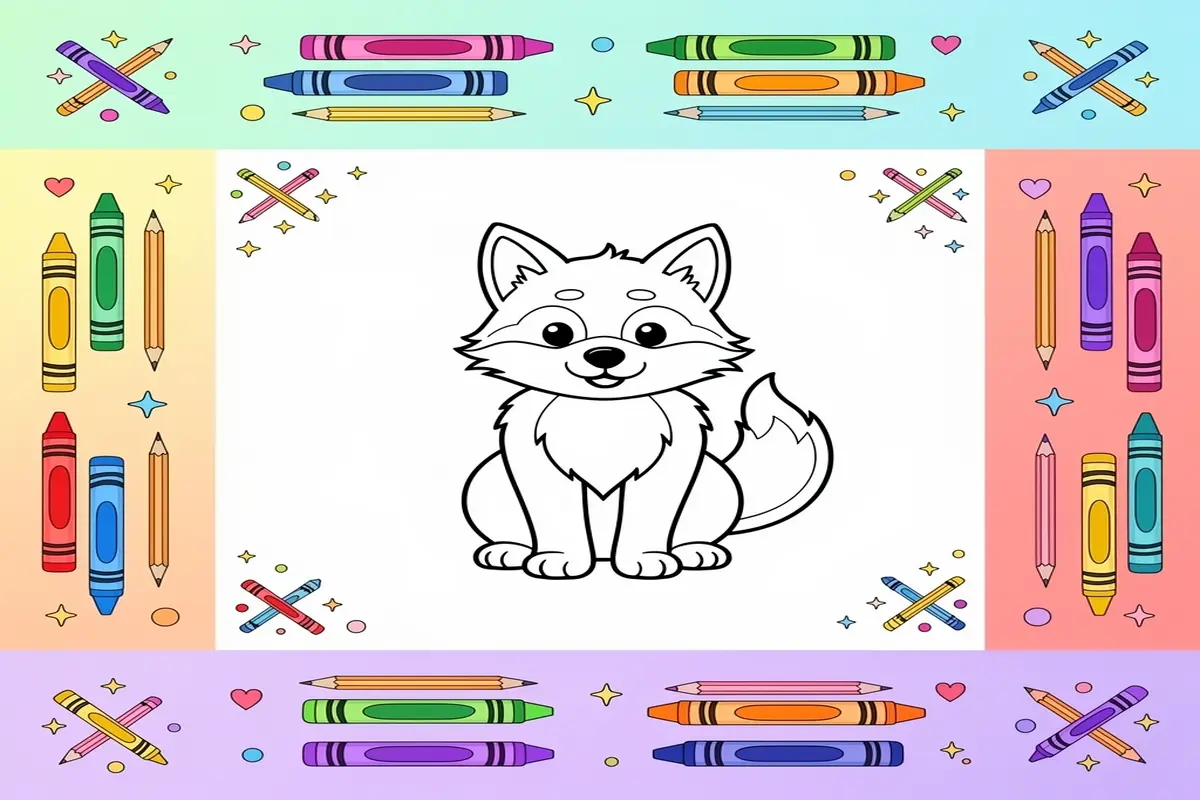
In a world saturated with digital screens, the simple act of coloring offers a profound return to tactile creativity and mindful focus. For children, it’s more than just filling in shapes; it’s a journey of imagination, fine motor skill development, and emotional expression. Enter the captivating realm of wolf coloring pages for kids, where the mystique of the wilderness meets the tip of a crayon. These pages invite young artists to explore the noble spirit of one of nature’s most iconic and misunderstood creatures. From the solitary howl on a moonlit night to the intricate dynamics of a pack, each illustration becomes a canvas for storytelling and color exploration. Whether as a standalone activity or part of a broader lesson on ecosystems, wolf coloring pages for kids provide a unique gateway to art and nature. For those young explorers fascinated by the animal kingdom, our collection extends far into the deep blue, offering adventures with our free dolphin coloring pages as well.
The Call of the Wild: Why Wolves Captivate Young Minds
The Psychology of the Pack: Lessons in Strength and Family
Wolves are not just animals; they are powerful symbols of loyalty, intelligence, and resilience. When children engage with wolf coloring pages for kids, they are subtly connecting with these archetypal themes. The process of choosing colors for a wolf’s fur—will it be classic grays and browns, or a fantastical rainbow?—allows for personal interpretation and emotional projection. This act can be a gentle tool for discussing concepts like teamwork, family bonds (the pack), and courage. Coloring the intense gaze or powerful stance of a wolf can help a child embody a sense of strength and confidence in a safe, creative space.
From Lore to Lesson: A Cultural and Biological Journey
Wolves roam through our folklore, mythology, and natural history, making them a rich subject for educational integration. Wolf coloring pages for kids can serve as a springboard into diverse topics: the vital role of apex predators in healthy ecosystems, the fascinating social structure of wolf packs, or their representation in stories from Native American traditions to European fairy tales. As children color, parents and educators can weave in these narratives, transforming art time into an immersive learning experience. This fusion of art and education helps solidify knowledge and fosters a deeper appreciation for wildlife conservation.
Designed for Every Young Artist: From Simple Silhouettes to Detailed Forests
The beauty of wolf coloring pages for kids lies in their incredible versatility. For tiny hands just learning to control a crayon, simple, bold outlines of a wolf’s profile or a playful pup are perfect. For older children seeking a challenge, intricate scenes featuring a pack in a snowy forest or a wolf under a detailed, starry sky offer hours of engaging focus. This range ensures that every child, regardless of skill level, can find a page that feels just right—promoting a sense of accomplishment and encouraging the joyful habit of creating art. It’s a curated creative journey that grows with the artist.
Part 2: Essential Materials & Professional Preparation for wolf coloring pages for kids
To transform your wolf coloring pages for kids from a simple activity into a rich, educational, and artistic experience, the right materials and setup are crucial. Proper preparation not only enhances the final artwork but also builds good habits and prolongs engagement. This section details the professional-grade supplies and environmental considerations that will help young artists achieve stunning results with every page they color.
The Foundation: Selecting Premium Paper for wolf coloring pages for kids
The paper you choose is the single most important factor in coloring success. For detailed wolf coloring pages for kids, standard printer paper (20-24 lb) is prone to bleeding and warping. Instead, opt for a medium-weight cardstock (65-80 lb text) or a dedicated marker paper. These provide a smooth, durable surface that prevents markers from bleeding through and allows for fine pencil layering and blending. For a truly special project, consider a mixed-media paper (around 98 lb), which can handle wet mediums like watercolor pencils. Printing your chosen wolf designs on quality paper ensures crisp lines and a professional feel, making the artwork worthy of display.
Best Coloring Tools: A Detailed Medium Comparison
The choice between markers, colored pencils, and crayons dramatically affects the outcome of your wolf coloring pages for kids.
Colored Pencils (Professional Choice): Ideal for realism and detail. Look for pencils with soft, pigmented cores (wax or oil-based) that blend smoothly. They allow children to layer colors to create the subtle grays, browns, and whites of a wolf’s fur, teaching them about texture and shading. A set of 24-36 colors provides ample range without being overwhelming.
Markers (Vibrant & Bold): Alcohol-based markers offer seamless blending and vibrant saturation, perfect for a stylized, graphic wolf. However, they require bleed-proof paper. For younger children, high-quality water-based markers are a safer, less messy option. They provide bright colors but with less blending capability.
Crayons & Gel Sticks: Excellent for developing motor skills in younger children. While less precise, they encourage bold, expressive strokes. For a unique twist, consider pairing crayons with a watercolor wash resist technique.
Finishing Touches: Gel Pens, Blenders, and Highlights
Elevate the artwork with specialized tools for detail and effects. White gel pens are indispensable for adding highlights to a wolf’s eyes, creating the illusion of snowflakes, or detailing individual hairs. Colorless blending pencils (for wax-based pencils) or blending solvents (for oil-based) can smooth pencil strokes into realistic fur textures. Metallic or glitter gel pens can be used sparingly for a magical touch, like moonlight reflecting off a wolf’s silhouette. These tools make completing wolf coloring pages for kids an exciting discovery process of adding “final magic.”
Perfect Workspace: Ergonomic Setup and Optimal Lighting
A well-prepared workspace prevents fatigue and fosters focus. Ensure the coloring surface is stable and at a comfortable height to avoid hunching. Good, natural lighting is ideal, but a bright, white LED desk lamp can prevent eye strain and ensure true color representation. Keep supplies organized in cups or trays—this not only minimizes mess but also encourages independence. For extended sessions, consider a portable desk easel to angle the page, improving posture and control. Pair this activity with other wildlife explorations, such as our realistic animal coloring pages, to create a thematic and immersive learning station about the natural world.
Mastering Wolf Coloring Pages for Kids: Advanced Artistic Techniques
Ready to transform your child’s wolf coloring pages for kids from simple outlines into stunning works of art? This guide moves beyond basic filling to introduce professional techniques that build confidence and skill. By mastering a few key methods, young artists can add incredible depth, realism, and personality to every wolf they color, turning a fun activity into a true artistic achievement.
Harmonious Palettes: Color Theory for Wolf Coloring Pages for Kids
Understanding basic color theory can make a dramatic difference. For a realistic wolf, teach kids to use an analogous color scheme—colors next to each other on the wheel. Think grays, blues, and browns for a cool-toned wolf, or tans, browns, and creams for a warmer look. For a striking, dramatic effect, use complementary colors in the background. Imagine a gray wolf (cool) against a sunset sky with oranges and yellows (warm). This contrast makes the wolf pop off the page. For more practice with natural animal palettes, explore our realistic animal coloring pages.
From Flat to 3D: Shading for Lifelike Depth
Shading is the secret to making a wolf look round and real. Guide your artist through this simple process:
1. Identify Your Light Source: Decide where the light is coming from (e.g., the top left corner).
2. Apply Base Color: Color the entire wolf with your main, medium-tone color.
3. Add Shadows: Using a slightly darker shade of your color, apply gentle pressure to areas away from the light—under the chin, behind the legs, on the underside of the tail.
4. Highlight: With a lighter shade or by leaving small areas white, add touches to areas facing the light—the top of the head, the bridge of the muzzle, and the shoulder.
Adding Realism: Mastering Fur Texture Techniques
A wolf’s defining feature is its fur. Avoid coloring in uniform, solid blocks. Instead, use short, directional strokes that follow the wolf’s anatomy.
For the Body: Use longer, flowing strokes along the back and sides.
For the Chest and Mane: Use fluffier, overlapping strokes in a V or U shape.
For the Face: Use very short, fine strokes around the muzzle and eyes.
Vary your pressure to create light and dark patches within the fur, mimicking its natural, uneven texture. For another great animal to practice detailed textures on, try our horse coloring pages for kids.
The Art of Correction: Gracefully Fixing Coloring Errors
Mistakes are part of the process! Teach these recovery strategies:
Blending Over: A small slip outside the lines can often be covered by the background color. Color the background right up to the wolf’s outline to create a clean edge.
Creative Adaptation: An accidental dark mark on a leg can become a shadow or a natural darker patch in the fur. Encourage problem-solving.
* Strategic Embellishment: If a color bleeds where it shouldn’t, add elements like falling leaves, snowflakes, or grass blades over the area to incorporate it into the scene. The key is to stay creative and not let a small error discourage a young artist.
Showcasing Your wolf coloring pages for kids: Creative Display Ideas
Once your young artist has completed their masterpiece, the fun doesn’t have to stop! Displaying their work celebrates their effort and boosts their confidence. Here are some inspiring ways to turn their wolf coloring pages for kids into lasting treasures.
Preserving Your Masterpiece: Archival Tips
Before displaying, protect the artwork. For crayon or colored pencil pieces, a light coat of clear, acid-free spray fixative can prevent smudging. For markers, ensure they are completely dry before handling. Consider using inexpensive clip frames for easy swapping, or laminate favorite pages to create placemats or durable wall art. Storing flat in a large portfolio or art case keeps a growing collection organized and safe.
Beyond Display: Creative DIY Projects
Transform colored pages into meaningful projects. Cut out the wolf and glue it onto a folded cardstock to make a unique greeting card. Create custom bookmarks by laminating a strip of the artwork. For a collaborative piece, combine several completed pages into a stunning “wilderness gallery” on a playroom wall. These projects make wonderful, personalized gifts for family members and extend the creative journey. For more majestic animal art, inspire them with our elephant coloring pages free printable.
Your wolf coloring pages for kids Questions Answered
How do you color a realistic wolf?
Start with a base of grays, browns, or tans, depending on the species. Use light pressure for initial layers, then build depth with darker shades in shadowed areas like under the muzzle, around the eyes, and between fur tufts. Add white or cream highlights on the brow, cheek, and shoulder to create dimension. Blending colored pencils or using fine-tipped markers can achieve realistic fur texture.
What are the benefits of coloring for kids?
Coloring enhances fine motor skills and hand-eye coordination. It fosters creativity, color recognition, and focus. The calming, repetitive motion is excellent for emotional regulation and stress relief, providing a mindful break. Completing a page, like a detailed wolf coloring pages for kids project, builds confidence and a sense of accomplishment.
What colors are wolves in real life?
Wolf coats are not simply gray! Colors range widely: from pure white (Arctic wolves) and creamy blond to various shades of gray, brown, russet red, and even nearly black. Most exhibit a grizzled appearance with a mix of colored hairs. Their underfur is often a lighter gray or buff color, providing beautiful depth.
Where to find free printable wolf coloring pages?
You can find a fantastic variety of free, high-quality printable wolf coloring pages for kids right here on our site! We offer everything from cute cartoon wolves to realistic howling silhouettes, perfect for all ages and skill levels. Simply browse our collection, download your favorites, and print.
What markers are best for coloring pages?
For beginners, washable broad-tip markers are great. For more vibrant results and finer details, alcohol-based markers (like Copic or Ohuhu) blend beautifully but can bleed through paper. A good middle ground is fine-tip water-based markers paired with cardstock or marker paper. Always test on a corner first!
Final Thoughts: Your wolf coloring pages for kids Journey Begins
Embarking on a creative adventure with wolf coloring pages for kids opens a world of artistic expression, learning, and quiet joy. It’s more than just filling in lines; it’s an opportunity to explore the wonders of wildlife, develop essential skills, and create cherished moments of calm and connection. Each page completed is a story told in color, a boost of pride, and a memory made.
We hope this guide inspires you to display, preserve, and celebrate every artistic effort. Remember, the goal is the joyful process itself. Ready for your next adventure? Explore our safari coloring pages for kids for a whole new world of animals to discover and color!