We offer a wide collection of free, high-quality printable coloring pages for kids and adults. From cute animals to intricate mandalas, our designs bring creativity and relaxation to everyone. Download, print, and start coloring today!

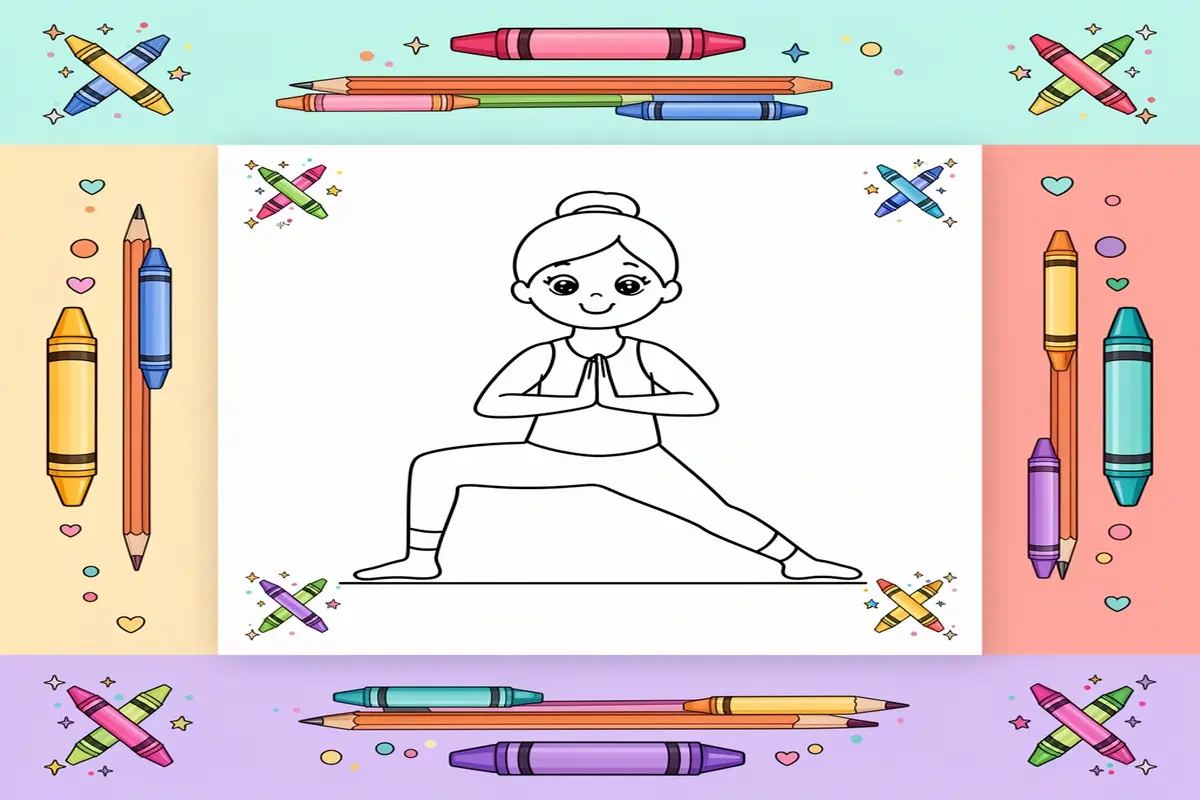
In a world of constant digital stimulation, the simple act of coloring offers a profound sanctuary for young minds. It’s a tactile, quiet space where creativity and calm converge, fostering focus and emotional regulation. This is where yoga coloring pages for kids shine, offering a unique fusion of artistic expression and mindful movement. These aren’t just ordinary drawings; they are gateways to understanding the body, breath, and balance through art. As children bring to life poses like Tree, Warrior, or Child’s Pose with their chosen hues, they engage in a form of playful, visual meditation. This creative practice complements physical activity beautifully, reinforcing the principles of yoga in a format that is accessible and endlessly engaging. For a different kind of serene aquatic adventure, you can also explore our collection of free dolphin coloring pages. The true magic of yoga coloring pages for kids lies in their dual power to entertain and educate, making the ancient practice of yoga relatable and fun for the youngest generation.
The Mind-Body Connection: Coloring as a Practice of Presence
The Psychology of Color and Calm: Soothe the Nervous System
Coloring is a well-documented tool for reducing anxiety and promoting mindfulness, even for adults. For children, the focused, repetitive motion of filling in shapes naturally draws attention inward, quieting the “monkey mind.” When the subject matter is yoga—a practice inherently linked to breath awareness and stillness—the effect is amplified. yoga coloring pages for kids serve as a visual anchor, guiding children to contemplate the serenity and strength embodied in each pose. Choosing colors becomes an exercise in emotional expression, allowing them to project feelings of peace (soft blues, gentle greens) or energy (vibrant yellows, oranges) onto the page, facilitating a non-verbal dialogue about their inner state.
A Cultural Canvas: Introducing Wellness Through Art
Yoga’s history spans thousands of years, and while deep philosophy can wait, its core values of harmony and self-awareness are timeless. yoga coloring pages for kids act as a gentle, age-appropriate introduction to this rich cultural tradition. As they color a figure in Lotus Pose or a smiling sun salutation sequence, parents and educators have a natural opening to discuss concepts like balance, flexibility, and inner peace. It transforms an abstract idea into a tangible, colorful creation, building a positive and foundational association with wellness practices that can last a lifetime.
Curated for Every Young Yogi: From Toddler to Tween
The beauty of this medium is its incredible accessibility. For the youngest artists, simple, bold outlines of basic poses help with motor skill development and shape recognition. Older children can tackle more intricate pages featuring detailed mandala backgrounds or sequences of poses that tell a story. This scalability ensures that yoga coloring pages for kids grow with the child, offering continuous value. They are perfect for quiet time at home, a calming classroom activity, or even a preparatory exercise before a family yoga session, helping to set a focused and intentional mood.
Part 2: Essential Materials & Preparation for yoga coloring pages for kids
To ensure a positive and enriching experience with yoga coloring pages for kids, having the right materials and a prepared environment is key. This setup not only enhances the final artwork but also supports the mindful and calming intentions behind the activity. Proper preparation transforms a simple coloring session into a focused, creative practice that complements the themes of balance and tranquility found in the poses.
The Foundation: Selecting Paper for Lasting Artwork
The paper you choose is the canvas for your child’s creativity. For standard yoga coloring pages for kids, a good-quality printer paper (80-100 GSM) is sufficient for everyday use with crayons or colored pencils. However, if your child prefers markers or wants to create a display-worthy piece, upgrading to heavyweight paper (120-160 GSM) or cardstock is advisable. This prevents bleed-through from markers and allows for more blending and layering of colors without the paper buckling. For a special project, consider using our mandala coloring pages for kids, printed on premium paper, to pair the focus of mandalas with yoga’s mindfulness.
Best Coloring Tools: A Detailed Medium Comparison
The choice of coloring medium dramatically affects the experience and outcome.
Colored Pencils: Ideal for yoga coloring pages for kids, pencils offer control and are perfect for detailing small elements like facial expressions on poses or intricate patterns on yoga mats. Look for pencils with soft cores for smoother blending. They are also less messy and promote a calm, deliberate coloring pace.
Markers: Markers provide vibrant, solid blocks of color that can make illustrations pop. Use fine-tip markers for outlines and broad-tip for filling larger areas. Be sure to place a scrap paper underneath to protect your work surface. While vibrant, they offer less room for error than pencils.
Crayons: Excellent for younger children, crayons are durable and easy to grip. They encourage broad, expressive strokes, which can be wonderful for coloring larger background elements like skies or grass in a yoga garden scene.
Finishing Touches: Enhancing Details with Specialty Tools
Once the main coloring is complete, specialty tools can add dimension and sparkle. Gel pens, especially in metallic or glitter colors, are fantastic for adding highlights to a sun salutation or tracing the outline of a yoga pose. White gel pens can be used to create patterns on darker colored clothing or mats. For a softer effect, blending stumps or a colorless blender pencil can smooth colored pencil gradients, creating beautiful sunset backgrounds for serene yoga scenes.
Perfect Workspace: Crafting a Calm Coloring Environment
The physical setup is as important as the materials. Ensure ample, natural lighting if possible, or use a bright, neutral-toned desk lamp to reduce eye strain. The seating should support good posture—a chair and table at the correct height for the child. To foster the mindful aspect of yoga coloring pages for kids, minimize clutter and distractions. Having all materials organized and within reach allows the child to stay immersed in the flow of coloring. Consider playing soft, instrumental music in the background to create a tranquil atmosphere that mirrors the calming nature of yoga itself.
Part 3: Elevating the Experience: Advanced Techniques for Yoga Coloring Pages for Kids
To transform simple outlines into vibrant works of art, a few advanced techniques can make all the difference. Moving beyond basic filling, these methods help children add depth, emotion, and realism to their yoga coloring pages for kids, turning a fun activity into a true artistic exploration. Let’s dive into the skills that will bring those peaceful poses to life.
For more practice with organic shapes and flowing lines, explore our collection of ocean coloring pages and mermaid coloring pages for kids.
Harmonious Palettes: Color Theory for Serene Scenes
Color choices directly impact the mood of the artwork. Teach kids to think about the feeling they want to convey in their yoga coloring pages for kids.
Analogous Harmony: For a calm, cohesive look, use colors next to each other on the color wheel. A sunset yoga scene could blend soft yellows, oranges, and reds.
Complementary Contrast: To make a specific element pop, use opposite colors. A green leafy background will make a child in a purple yoga outfit stand out beautifully.
Theme-Based Palettes: Suggest a “Sunrise” palette (pinks, yellows, light blues) or an “Earth” palette (greens, browns, soft blues) to connect the coloring to the themes of nature and balance often found in yoga.
From Flat to 3D: Mastering Light and Shadow
Shading is the magic that adds volume and makes figures look like they’re truly stretching or balancing.
1. Choose a Light Source: Decide where the “sun” is in the picture (e.g., top left). Every shadow will be cast opposite this point.
2. Basic Shading: Lightly color the entire area. Then, apply more pressure or a darker shade to the areas farthest from the light source (like under the arms, on one side of the torso, or beneath a lifted leg).
3. Blending: Use a white crayon or colored pencil to smooth harsh lines between light and dark areas, or layer lighter colors over darker ones to create a soft gradient. This works wonderfully on yoga mats and flowing clothing.
Adding Realism: Creating Texture in Your Art
Different elements in the scene should feel different. Here’s how to create texture:
Grass or Outdoor Mats: Use short, quick, overlapping strokes in varying shades of green or tan.
Sky: Color in a consistent, smooth circular motion for a seamless blend, perfect for a calming sky behind a Tree Pose.
Hair and Clothing: Follow the flow and direction of the material. Use long, curved lines for flowing hair or stretchy leggings, and suggest fabric folds with slightly darker lines in curved shapes.
Skin: For a smooth look, use light, even pressure and subtle peach-pink-brown blends in shadowed areas.
The Art of Correction: Graceful Fixes for Coloring Errors
Mistakes are part of the process! Here’s how to handle them without frustration:
Waxy Crayon Smudges: Place a plain paper towel over the smudge and gently rub with a warm (not hot) spoon. The wax will often transfer to the towel.
Colored Pencil Outside the Lines: Use a white eraser or a specialized colored pencil eraser. Erase in the direction of the line to avoid tearing the paper.
Turn It Into a Design: Accidentally colored the wrong area? Incorporate it! A stray mark can become a butterfly, a flower, or a sunbeam with a little creative storytelling. This mindful problem-solving echoes the adaptable, non-judgmental spirit of yoga itself.
Showcasing Your Yoga Coloring Pages for Kids: Creative Display Ideas
Once your young yogi has filled their pages with color, it’s time to celebrate their mindful art! Displaying their work validates their effort and creates a positive, calming environment. Here are inspiring ways to honor their creativity and extend the mindful journey.
Preserving Your Masterpiece: Archival Tips
To ensure these special creations last, consider simple preservation methods. For favorite pieces, use a clear sheet protector in a binder dedicated to their “Mindful Art.” You can also laminate pages to make them durable for repeated viewing or even as placemats for mindful mealtimes. For a gallery wall, use washi tape for damage-free hanging or place finished pages in inexpensive frames from a craft store, rotating the collection monthly.
Beyond Display: Creative DIY Projects
Transform completed yoga coloring pages into meaningful gifts and keepsakes. Carefully cut out the colored figures to create unique greeting cards for grandparents, adding a handwritten note about the pose’s meaning. Smaller colored sections make beautiful, laminated bookmarks. For a collaborative project, assemble several pages into a custom “Mindfulness Calendar” or a personalized book cover. This process of repurposing art reinforces the value of their work and creativity. For more calming artistic adventures, explore our collection of Relaxing Coloring Pages for Kids.
Your Yoga Coloring Pages for Kids Questions Answered
What are the benefits of yoga for kids?
Yoga offers children profound benefits for body and mind. Physically, it enhances flexibility, balance, and coordination. Mentally, it teaches focus, patience, and self-awareness. Regular practice can reduce anxiety, improve sleep, and boost confidence. It’s a non-competitive activity that helps kids connect with their bodies and manage big emotions in a healthy, calming way, making it a perfect partner to yoga coloring pages for kids.
How does coloring help with mindfulness?
Coloring induces a meditative state by focusing the mind on a simple, repetitive task. This quiet activity lowers the heart rate, reduces stress hormones, and quietens a busy brain. For children, it’s an accessible entry point into mindfulness, teaching them to be present in the moment, observe their choices (like color), and let go of perfectionism—skills directly transferable to a yoga practice.
What are easy yoga poses for kids?
Start with fun, accessible poses that mimic animals or nature. Easy poses include “Mountain” (standing tall), “Cat-Cow” (arching and rounding the back on hands and knees), “Downward-Facing Dog” (an inverted V-shape), “Tree Pose” (balancing on one foot), and “Child’s Pose” (resting kneeling forward). These foundational poses build body awareness and are often featured in yoga coloring pages for kids, reinforcing the learning.
Why is coloring important for child development?
Coloring is far more than just play. It develops fine motor skills and hand-eye coordination, which are crucial for writing. It fosters creativity, color recognition, and spatial awareness. On an emotional level, it provides a safe outlet for self-expression, improves concentration, and offers a sense of accomplishment. It’s a foundational activity that supports both cognitive and emotional growth.
How do you introduce yoga to children?
Keep it playful and pressure-free! Use storytelling to weave poses into an adventure (e.g., “a jungle journey”). Incorporate animal sounds into poses, use simple props, and keep sessions very short (5-10 minutes). Pairing movement with related yoga coloring pages for kids is a brilliant, low-pressure introduction, allowing them to learn the shapes and names of poses before even trying them physically.
Final Thoughts: Your Yoga Coloring Pages for Kids Journey Begins
The simple act of combining yoga and coloring creates a powerful toolkit for nurturing a calm, focused, and creative child. This journey isn’t about perfect poses or staying within the lines; it’s about providing moments of peace, encouraging self-expression, and building a foundation for lifelong well-being. Each page colored is a step toward greater mindfulness, and each pose practiced is a celebration of what their growing bodies can do.
We hope this guide inspires you to create joyful, mindful moments. Display the art, celebrate the effort, and watch as your child discovers the peaceful power within them. Ready for your next adventure? Explore our Animal Coloring Pages for Kids to continue the fun!