We offer a wide collection of free, high-quality printable coloring pages for kids and adults. From cute animals to intricate mandalas, our designs bring creativity and relaxation to everyone. Download, print, and start coloring today!

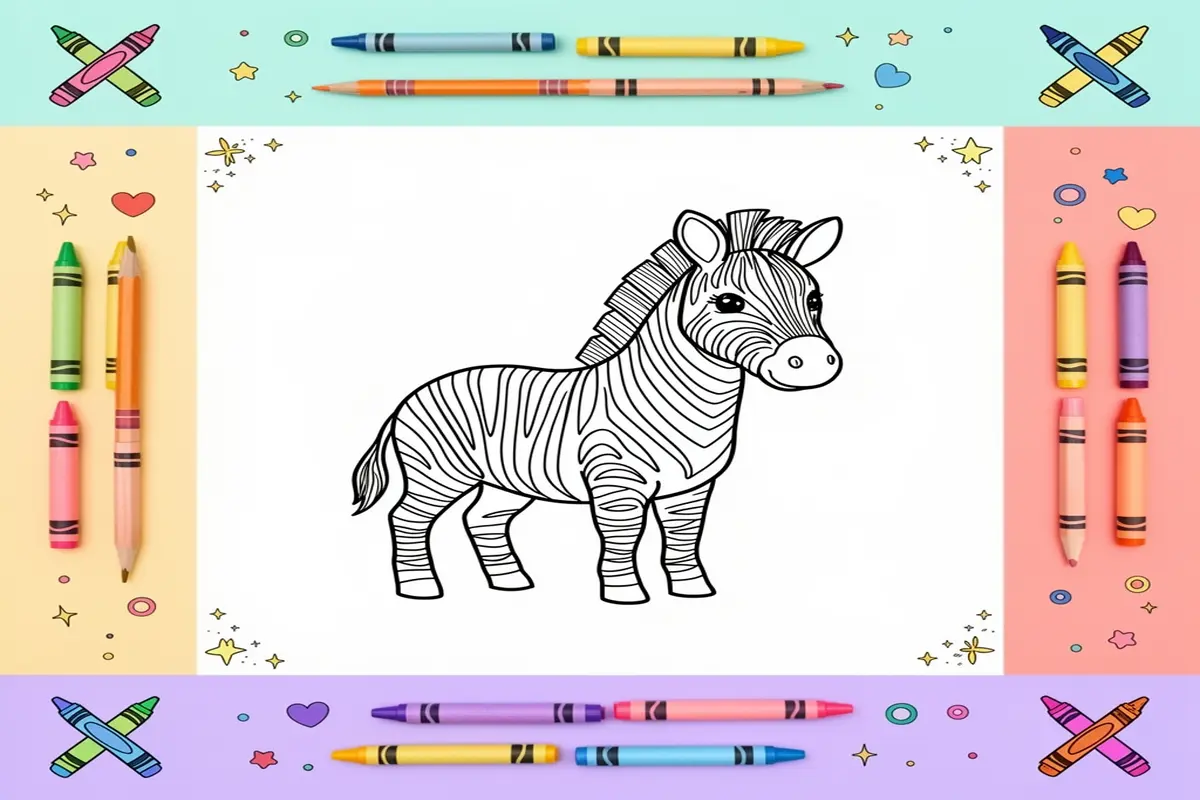
In a world saturated with digital noise, the simple act of coloring offers a profound return to focus, creativity, and calm. For children, it’s a gateway to imaginative worlds, and few subjects capture the wild spirit of adventure quite like the majestic zebra. With their iconic black-and-white stripes, zebras are a natural source of fascination, making zebra coloring pages for kids an exceptional tool for artistic exploration and educational fun. These pages do more than just fill time; they transport young artists to the vast savannas, encouraging storytelling, fine motor skill development, and a love for wildlife. Whether your child is meticulously shading each unique stripe or imagining a rainbow-hued zebra galloping across the page, the possibilities are as boundless as their creativity. As part of a broader menagerie of printable activities, such as our collection of elephant coloring pages, zebra coloring pages for kids provide a perfect entry point into the wonders of the animal kingdom, blending art with a touch of wild wonder.
Part 1: The Stripe Spectrum: More Than Meets the Eye
The Psychology of Pattern: Focus, Calm, and Cognitive Play
Why are zebra stripes so mesmerizing, even on a page? The distinct, high-contrast patterns are naturally engaging to the human brain, promoting visual focus and attention to detail. For a child, navigating the lines of a zebra coloring page for kids becomes a playful exercise in concentration and spatial awareness. This mindful engagement is a form of cognitive play that can reduce anxiety and foster a state of flow, where time seems to slip away as they immerse themselves in the rhythmic task of filling each stripe. It’s a therapeutic exercise disguised as fun, building patience and pride with every finished section.
A Walk on the Wild Side: Educational Roots in Every Line
Every zebra coloring sheet is a stealthy lesson in biology and geography. As children color, natural questions arise: Why do zebras have stripes? Where do they live? Who are their safari neighbors? This curiosity transforms art time into a discovery session. Parents and educators can use these pages as springboards to discuss animal adaptations, ecosystems, and conservation. The zebra’s striking appearance serves as a memorable anchor for facts about herbivores, herd behavior, and the delicate balance of African plains, making learning an organic and engaging part of the creative process.
Designed for All Hands: From Toddler Grip to Budding Artist
A great collection of zebra coloring pages for kids is thoughtfully curated to meet a spectrum of abilities. For the youngest artists, pages feature bold, simple outlines with large spaces perfect for practicing grip and broad color strokes. Intermediate pages might include more detailed manes, expressive eyes, or background elements like acacia trees. For older kids and even adults seeking a relaxing challenge, hyper-realistic or mandala-style zebra designs offer intricate patterns within the stripes, demanding precision and offering immense satisfaction upon completion. This inclusivity ensures that every child, regardless of skill level, can find a page that inspires them to create.
Professional Materials & Preparation for zebra coloring pages for kids
Before your child brings the striking stripes of a zebra to life, the right preparation can elevate their coloring from a simple activity to a rich, educational, and enjoyable artistic experience. Having the correct tools and a dedicated space is key to unlocking their creativity and ensuring they can focus on the intricate patterns that make zebra coloring pages for kids so engaging. This guide outlines the essential materials and setup for optimal results.
The Foundation: Selecting Premium Paper for zebra coloring pages for kids
The paper you choose is the canvas for your child’s masterpiece and directly impacts the final result. For standard crayons and colored pencils, a smooth, bright white paper with a weight of around 100-120 GSM (grams per square meter) prevents bleed-through and allows for easy blending. If your young artist prefers markers, especially alcohol-based ones, seek out heavyweight marker paper (160+ GSM) or bleed-proof paper specifically designed to prevent colors from seeping through and ruining the next page. For a truly special project, printing your chosen zebra coloring pages for kids on cardstock creates a sturdy surface perfect for mixed media and display.
Best Coloring Tools: A Detailed Mediums Comparison
The choice of coloring medium defines the texture and vibrancy of the artwork.
Colored Pencils: Ideal for developing fine motor skills and achieving detailed stripes. Wax-based pencils (like Crayola) offer smooth application, while oil-based (like Faber-Castell) provide superior layering and blending for realistic shading on the zebra’s muscular form. They are clean and offer the most control.
Markers: Deliver bold, vibrant color perfect for a graphic, high-contrast look. Water-based markers are washable and best for younger children. For older kids, fine-tip alcohol markers allow for seamless blending of shadows and highlights on the animal’s body. Always test on a corner first to check for bleed-through.
Crayons & Gel Crayons: The classic choice for toddlers and preschoolers. Their broad strokes are less suited for tiny details but excellent for covering large backgrounds, like the African savanna. Gel crayons offer a unique, paint-like opacity and are blendable with a finger.
Finishing Touches: Gel Pens, Highlights, and Details
Once the main coloring is complete, adding details can make the artwork pop. Metallic or white gel pens are fantastic for adding highlights to the zebra’s eyes, creating a glossy nose, or even drawing fine hairs in the mane. A white gel pen can also be used to create striking patterns on a dark background or to correct small over-colors. For a mixed-media approach, consider using watercolor paints for a soft wash background to make the boldly striped zebra stand out, similar to techniques one might use for dramatic safari coloring pages for kids. A simple, high-quality eraser is also essential for cleaning up any pencil sketch lines.
Perfect Workspace: Optimizing Lighting and Ergonomics
A proper workspace ensures comfort and allows your child to focus on the fun. Natural daylight is the best lighting to see true colors and reduce eye strain. If that’s not available, a bright, cool-white LED desk lamp is an excellent alternative. Ensure the chair and table height allow your child’s feet to rest flat on the floor (or a stool) with their forearms parallel to the tabletop. Keep all materials within easy reach on a clean, protected surface—a simple placemat or recycled newspaper can catch stray marks. Organizing pencils and markers in cups or trays not only prevents clutter but also encourages color selection and responsibility. This thoughtful setup is just as important for zebra coloring pages for kids as it is for any creative endeavor.
Part 3: Elevating Your Art: Advanced Techniques for zebra coloring pages for kids
Ready to transform your child’s zebra coloring pages for kids from simple outlines into stunning works of art? This section moves beyond basic filling to explore professional techniques that build fine motor skills, teach artistic concepts, and create truly impressive results. These methods turn coloring into a masterclass in creativity.
Harmonious Palettes: Color Theory for Stripes
While a classic black-and-white zebra is iconic, exploring color theory unlocks a world of creativity. Introduce your young artist to two key concepts on their zebra coloring pages for kids:
Complementary Colors: These are opposites on the color wheel (like blue & orange or purple & yellow). Using one color for the stripes and its complement for the background makes the zebra “pop” with vibrant energy.
Analogous Colors: These are neighbors on the wheel (like blue, teal, and green). Coloring the stripes in a gradient of analogous colors creates a harmonious, magical, or sunset-like effect. For more animal-themed color inspiration, explore our vibrant giraffe coloring pages.
From Flat to 3D: Mastering Shading and Depth
Shading is the secret to making a two-dimensional zebra look rounded and real. Guide your child through this simple step-by-step process:
1. Identify Your Light Source: Decide where the “sun” is (e.g., top left). This side will be lightest.
2. Layer Pressure: Color the entire zebra lightly first. Then, apply a second, heavier layer on the areas opposite the light source (like the right side of the legs or under the neck).
3. Blend: Use a white crayon or a blending stump over harsh lines to create a smooth transition from dark to light, giving the body a rounded, three-dimensional form.
Adding Realism: Texturing the Mane and Grass
Texture brings a page to life. For a zebra’s distinctive features, try these tactile methods:
Fur & Mane: Instead of coloring in smooth lines, use tiny, quick, overlapping strokes in the direction the hair grows. For a fluffy mane, make these strokes longer and more chaotic.
Grassy Savannah: Don’t just color the ground green. Use short, upward flicks of the pencil or marker to create individual blades of grass. Layer a light green over a dark green base for a lush, realistic field. This technique pairs beautifully with other safari scenes, much like those found in our lion coloring pages for kids.
The Art of Correction: Graceful Fixes for Common Mistakes
Even professional artists make “happy little accidents.” Teach your child that mistakes are part of the process with these graceful fixes:
Colored Outside the Lines? Turn it into a feature! Thicken the outline on that side to create a bold, graphic style, or incorporate the stray mark into the background (e.g., make it a distant leaf or flower).
Color Too Dark or Muddy? If using pencils, a white eraser can often lighten areas. Alternatively, use the dark area as a deep shadow and build lighter colors around it.
Broken Tip or Wax Bloom? A gentle scrape with a craft knife (adult only) can remove waxy crayon buildup. For pencil, a kneaded eraser can lift pigment without damaging the paper. The key is to adapt, not to aim for impossible perfection.
Showcasing Your zebra coloring pages for kids: Creative Display Ideas
Once your young artist has filled their zebra coloring pages for kids with vibrant stripes, it’s time to celebrate their work! Moving beyond the refrigerator door, creative display and repurposing can extend the fun and build lasting confidence.
Preserving Your Masterpiece: Archival Tips
To protect and proudly exhibit finished artwork, consider simple preservation methods. Use acid-free sheet protectors in a binder to create a growing portfolio. For wall displays, laminate the page or use a simple, inexpensive frame. You can also create a rotating “gallery wall” with washi tape, which won’t damage walls, allowing you to easily swap out new zebra coloring pages for kids masterpieces.
Beyond Display: Creative DIY Projects
Transform completed pages into meaningful gifts and keepsakes. Laminate and hole-punch a page to make a unique bookmark. Cut out the colored zebra and glue it onto a folded cardstock to create a custom greeting card. For a larger project, decoupage several pages onto a small tray or storage box. This not only showcases the art but also teaches kids about upcycling. For more animal-themed crafting, explore our farm animal coloring pages for a whole new set of creative characters.
Your zebra coloring pages for kids Questions Answered
Is a zebra black with white stripes or white with black stripes?
This is a classic question! Scientifically, zebras have black skin. Their hair is mostly black, but the white stripes grow from follicles that lack pigment. So, you could say a zebra is a black animal with white stripes. This fascinating fact makes coloring zebra coloring pages for kids a great opportunity for a mini science lesson!
How do you draw a zebra for kids?
Start with simple shapes: an oval for the body, a circle for the head, and rectangles for legs. Connect them smoothly. Add ears and a mane. The key is the stripes! Draw uneven, curvy lines that follow the body’s contour—they don’t have to be perfect. For a guided start, using our printable zebra coloring pages for kids as a template can build drawing confidence.
What are fun facts about zebras for kids?
Zebras are full of surprises! Their stripes are like fingerprints—no two patterns are alike. They use these stripes as camouflage in tall grass. Zebras are very social and live in herds called “dazzles.” They can sleep standing up and communicate with barks and whinnies. Sharing these facts can make the time spent on zebra coloring pages even more engaging.
What are the benefits of coloring for kids?
Coloring boosts fine motor skills and hand-eye coordination. It fosters creativity, color recognition, and focus. It’s also a wonderful, screen-free activity for emotional expression and stress relief. Providing a variety of themes, like zebra coloring pages for kids, keeps this beneficial practice fresh and exciting.
What color is a zebra’s nose?
A zebra’s nose is typically black. This is consistent with their dark skin. When coloring, using a solid black or dark gray for the nose and muzzle area will give your zebra a realistic touch, adding that final detail to their masterpiece.
Final Thoughts: Your zebra coloring pages for kids Journey Begins
The journey with zebra coloring pages for kids is about so much more than staying within the lines. It’s an adventure into creativity, learning, and quiet, focused joy. From discovering amazing animal facts to developing essential skills and finally showcasing their unique art, each page represents a moment of growth and pride for your child. We hope this guide has inspired you with new ideas to make this simple activity even more rewarding.
Ready for your next adventure? Explore our safari coloring pages for kids and bring the entire savanna to life!