We offer a wide collection of free, high-quality printable coloring pages for kids and adults. From cute animals to intricate mandalas, our designs bring creativity and relaxation to everyone. Download, print, and start coloring today!

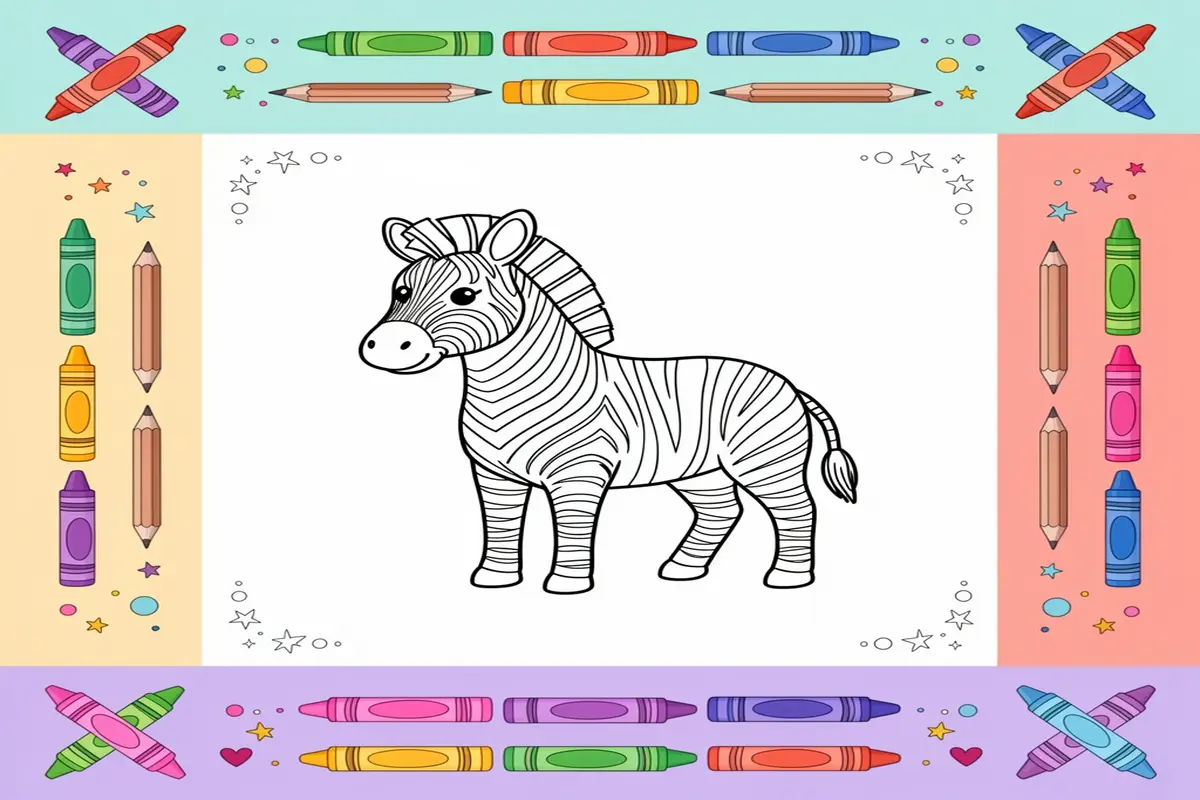
In a world saturated with digital noise, the simple act of coloring offers a sanctuary of calm and creativity for young minds. It’s a tactile journey back to the fundamentals of art, where a blank page transforms into a vibrant expression of a child’s inner world. Among the most captivating subjects for this artistic exploration are the iconic, stripe-clad wonders of the savanna. zebra coloring pages for kids provide a uniquely engaging canvas, blending the joy of animal discovery with the satisfying challenge of intricate patterns. These pages do more than just entertain; they invite children on an educational safari, fostering fine motor skills, color recognition, and a deep appreciation for wildlife. From the bold contrasts of a Grevy’s zebra to a playful cartoon foal, the variety within zebra coloring pages for kids ensures that every young artist, from toddler to pre-teen, finds a design that sparks their curiosity. It’s a wonderful starting point for a broader artistic adventure, much like exploring the depths with our collection of free dolphin coloring pages.
The Striped Spectrum: More Than Just Black and White
At first glance, a zebra’s coat seems straightforward, but it opens a universe of creative and cognitive possibilities for a child. This iconic pattern is the perfect gateway to discussions about nature, adaptation, and artistic choice.
The Psychology of Pattern: Focus, Calm, and Creative Flow
The repetitive, rhythmic nature of stripes in zebra coloring pages for kids is deceptively powerful. For a developing mind, the task of carefully filling within lines—or creatively breaking them—requires concentration and patience. This focused activity acts as a form of mindfulness, quieting the busy brain and reducing anxiety. The satisfaction of completing a complex striped section boosts confidence and provides a tangible sense of accomplishment, turning a coloring session into a therapeutic exercise in calm and control.
A Cultural Canvas: Symbols Across the Globe
Beyond biology, the zebra carries rich symbolic weight in various cultures, often representing balance, individuality, and community. Introducing children to these concepts through art adds a layer of depth to their play. A zebra’s unique stripes, much like a human fingerprint, can spark conversations about diversity and what makes each person special. Coloring these majestic animals becomes a subtle lesson in appreciating differences, both in the animal kingdom and in our own communities.
Curated for Every Young Artist: From Simple Silhouettes to Detailed Designs
The beauty of zebra coloring pages for kids lies in their incredible range. For tiny hands just learning to grip a crayon, large, simple outlines of a zebra’s profile offer success without frustration. For older children seeking a challenge, highly detailed pages featuring a zebra herd in a realistic savanna landscape, complete with acacia trees and other wildlife, provide hours of immersive engagement. This scalability ensures that coloring remains a rewarding, developmentally appropriate activity that grows with the child, nurturing their artistic skills over time.
Professional Materials & Preparation for zebra coloring pages for kids
To transform your zebra coloring pages for kids from a simple activity into a vibrant, educational, and skill-building experience, the right materials and setup are crucial. Proper preparation not only enhances the final artwork but also fosters a child’s focus and enjoyment. This guide details the professional-grade supplies and environmental considerations that will help children bring the iconic stripes of the savanna to life with precision and creativity.
The Foundation: Selecting Premium Paper for zebra coloring pages for kids
The choice of paper is the most critical, yet often overlooked, element. Standard printer paper (20-24 lb) is prone to bleeding and buckling. For superior results, opt for a medium-weight paper (32-40 lb or 120-150 GSM) specifically designed for mixed media. This weight provides a sturdy surface that can handle layered pencil work, light marker application, and erasing without tearing. The slight tooth (texture) of quality drawing paper allows colored pencils to adhere better, enabling smoother blending of the zebra’s distinctive black and white gradients and the surrounding grassland scenery. For a special project, consider printing your zebra coloring pages for kids on cardstock, which is ideal for younger children using bold crayons or for creating durable artwork for display.
Best Coloring Tools: A Detailed Medium Comparison
The medium chosen dictates the artistic approach and outcome. Here’s a professional comparison:
Colored Pencils (Wax- or Oil-Based): The most versatile and recommended tool for detailed work. They offer excellent control for defining the sharp, intricate patterns of a zebra’s stripes. High-quality pencils with soft, pigmented cores (like Prismacolor or Faber-Castell) allow for layering and blending, perfect for creating depth in the animal’s musculature or the soft shadows of a savanna sunset. They are also mess-free and build fine motor skills.
Markers (Alcohol- vs. Water-Based): Alcohol-based markers (e.g., Copic) provide seamless, bleed-through blends ideal for large areas like skies in a safari scene. However, they require special marker paper. Water-based markers are more child-friendly and work on heavier paper, but can streak on large areas. For zebra coloring pages for kids, fine-tip markers are excellent for outlining stripes before filling.
Crayons & Gel Sticks: Fantastic for younger artists, offering bold, opaque coverage. They encourage a more expressive, textural approach, though they lack the precision for fine stripe details.
Finishing Touches: Gel Pens, Highlights, and Erasers
Elevate the artwork with detailing tools. White and metallic gel pens are indispensable for adding highlights to a zebra’s eye, creating a glossy nose effect, or drawing fine hairs on its mane and tail. A quality, kneaded eraser is essential for gently lifting pencil mistakes without damaging the paper surface and for cleaning up smudges around intricate areas. A simple blending stump or even a cotton swab can be used to softly blend colored pencil layers on the zebra’s body, creating a more realistic, furry texture. For a cohesive safari-themed project, explore our safari coloring pages for kids to create a matching set of artworks.
Perfect Workspace: Optimizing Lighting and Ergonomics
A well-prepared workspace prevents fatigue and maximizes engagement. Ensure the coloring area is flooded with natural light or uses a bright, white LED desk lamp to reduce eye strain and allow for accurate color perception—crucial when working on the subtle contrasts of a zebra’s pattern. The child should be seated at a table with their feet flat on the floor or a stool. The coloring page should be secured with a small piece of painter’s tape to prevent slipping, and angled slightly using a clipboard or a slanted board to promote better posture and wrist alignment. Keep all materials within easy reach in cups or organizers, and always place a protective mat or scrap paper underneath the project to protect the table surface, especially when using markers or pens.
Part 3: Elevating Your Art: Professional Techniques for zebra coloring pages for kids
Ready to transform those black-and-white outlines into stunning works of art? Moving beyond basic fills, these professional techniques will help you and your young artists add depth, realism, and creativity to every zebra coloring pages for kids project. Let’s unlock a new level of artistic skill.
For more inspiration on creating realistic animal textures, explore our detailed Realistic Animal Coloring Pages.
Harmonious Palettes: Mastering Color Theory for Stripes
A zebra’s iconic stripes are the perfect canvas for creative color theory. Instead of just black and white, try these approaches:
Complementary Colors: For a vibrant, eye-catching zebra, use colors opposite on the wheel. Imagine deep blue stripes on a bright orange background, or rich purple against a field of yellow-green. This creates maximum contrast and energy.
Analogous Colors: For a more harmonious and natural-looking (yet fantastical) creature, choose colors next to each other. Picture a zebra with stripes shifting from sky blue to seafoam green to teal, creating a serene, unified effect.
Monochromatic Magic: Explore a single color in all its shades. A zebra with stripes ranging from light gray to charcoal black, or from pale pink to deep burgundy, can look strikingly elegant and teach wonderful lessons in light and shadow.
From Flat to 3D: Shading for Dynamic Depth
Shading is what makes a shape look round and real. Guide your child through these steps on their zebra coloring pages for kids:
1. Identify Your Light Source: First, decide where the sun is (e.g., top left). Every shadow will be opposite this point.
2. Layer Lightly: Start with your base color applied very gently. The areas furthest from the light (like under the belly, neck, and the inner legs) should be slightly darker even at this stage.
3. Build Shadows: Using a darker shade of your base color (or a cool gray for black stripes), apply a second layer in the shadow areas. Use smooth, back-and-forth strokes, following the contour of the zebra’s body.
4. Add Highlights: Leave the areas closest to the light source the lightest. You can even use an eraser on colored pencil or add a touch of white gel pen to create a bright highlight on the shoulder or cheek, making it look rounded.
Adding Realism: Texturing the Mane and More
The texture brings your zebra to life. Focus on two key areas:
Rendering Short Fur: For the zebra’s body, avoid coloring in just one direction. Use quick, short, overlapping strokes that follow the body’s curves. Leave tiny, irregular gaps between strokes to suggest the texture of hair. The direction should change slightly over the rounded muscles.
Creating a Shaggy Mane: The mane is fun and expressive! Use longer, flowing, and slightly erratic strokes. Layer different shades of black, gray, or even unexpected colors to show depth and movement. Let some strokes clump together to create a wild, untamed look.
The Art of Correction: Graceful Fixes for Common Hiccups
Mistakes are part of the process. Here’s how to fix them like a pro:
Overly Dark Areas: If an area is colored too heavily and waxy, gently use a kneaded eraser to “lift” some color by dabbing, not rubbing. For marker mishaps, wait for it to dry completely, then use a white gel pen or a light-colored pencil to layer over the top, which can sometimes create a interesting textured effect.
Stray Marks or Smudges: Incorporate them! A stray mark outside the line can become a blade of grass or a floating butterfly with a little creative storytelling. For smudges within the zebra, sometimes blending them outwards with a lighter color can create a nice shadow.
Unhappy Color Choices: Layer over them! Colored pencils are wonderfully forgiving. Don’t like a bright pink stripe? Layer a deep blue over it to create a rich purple. Teaching this layered approach reduces frustration and encourages experimentation. For more advanced blending and correction ideas, our Advanced Coloring Pages for Kids offer great practice.
Showcasing Your zebra coloring pages for kids: Creative Display Ideas
Once your young artist has completed their masterpiece, it’s time to celebrate their work! Moving beyond the coloring book, displaying their art fosters pride and confidence. Here are inspiring ways to turn their zebra coloring pages for kids into cherished decor and thoughtful gifts.
Preserving Your Masterpiece: Archival Tips
Protect and preserve those vibrant creations. For long-term display, consider using acid-free photo corners or a simple laminator to guard against fading and smudges. A clip frame offers an easy, no-commitment way to swap out artwork regularly. For a more polished look, mount the page on a slightly larger piece of colorful construction paper before framing. This creates a professional matting effect that makes any zebra coloring page pop.
Beyond Display: Creative DIY Projects
Transform completed pages into functional art and heartfelt gifts. Create custom greeting cards by gluing the colored zebra onto folded cardstock. Laminate and cut out the zebra to make unique bookmarks, perfect for young readers. For a fun bedroom accessory, decoupage several finished pages onto a plain trash can or storage box. These projects extend the creative fun and make wonderful presents for family members, celebrating your child’s talent. For more animal-themed crafting, explore our collection of giraffe coloring pages.
Your zebra coloring pages for kids Questions Answered
Is a zebra black with white stripes or white with black stripes?
This is a classic question! Scientifically, zebras have black skin. Their hair is mostly black, but the white stripes are caused by a lack of pigment in certain hair follicles. So, you can think of them as black animals with striking white stripes. This fascinating fact makes coloring zebra coloring pages for kids an even more interesting science lesson.
How do you draw a zebra for kids?
Start with simple shapes: an oval for the body, a circle for the head, and rectangles for the legs. Connect them with gentle curves. Add ears, a mane, and a tail. The magic happens with the stripes! Draw uneven, slightly curved lines all over the body, remembering they follow the zebra’s form. Our printable zebra coloring pages for kids provide the perfect outline to practice on.
What are fun facts about zebras for kids?
Zebras are full of surprises! Their stripes are like fingerprints—no two patterns are alike. They use these stripes as camouflage in the tall grass. Zebras are very social and live in groups called herds. They can run up to 40 miles per hour to escape predators! Coloring is a great way to introduce these amazing facts to children.
What are the benefits of coloring for kids?
Coloring boosts fine motor skills and hand-eye coordination. It’s a calming activity that promotes focus and reduces stress, allowing kids to express creativity without rules. It also teaches color recognition, patience, and provides a wonderful sense of accomplishment upon finishing a page, building their confidence.
What color is a zebra’s nose?
A zebra’s nose is typically black. If you look closely at pictures or our detailed zebra coloring pages for kids, you’ll see the distinctive black muzzle. This is a fun detail for children to add when coloring, helping them observe and replicate the real-life features of this beautiful animal.
Final Thoughts: Your zebra coloring pages for kids Journey Begins
The adventure with zebra coloring pages for kids is about so much more than staying within the lines. It’s a journey into creativity, learning, and quality time. From discovering amazing animal facts to developing essential skills, each page colored is a step toward building confidence and joyful memories. Displaying their art celebrates this process, showing your child that their effort and imagination are truly valued.
We hope these ideas inspire countless hours of creative fun and bonding. Remember, every stripe colored is a story told and a skill learned. Ready for your next adventure? Explore our lion coloring pages for kids and continue the safari!