We offer a wide collection of free, high-quality printable coloring pages for kids and adults. From cute animals to intricate mandalas, our designs bring creativity and relaxation to everyone. Download, print, and start coloring today!

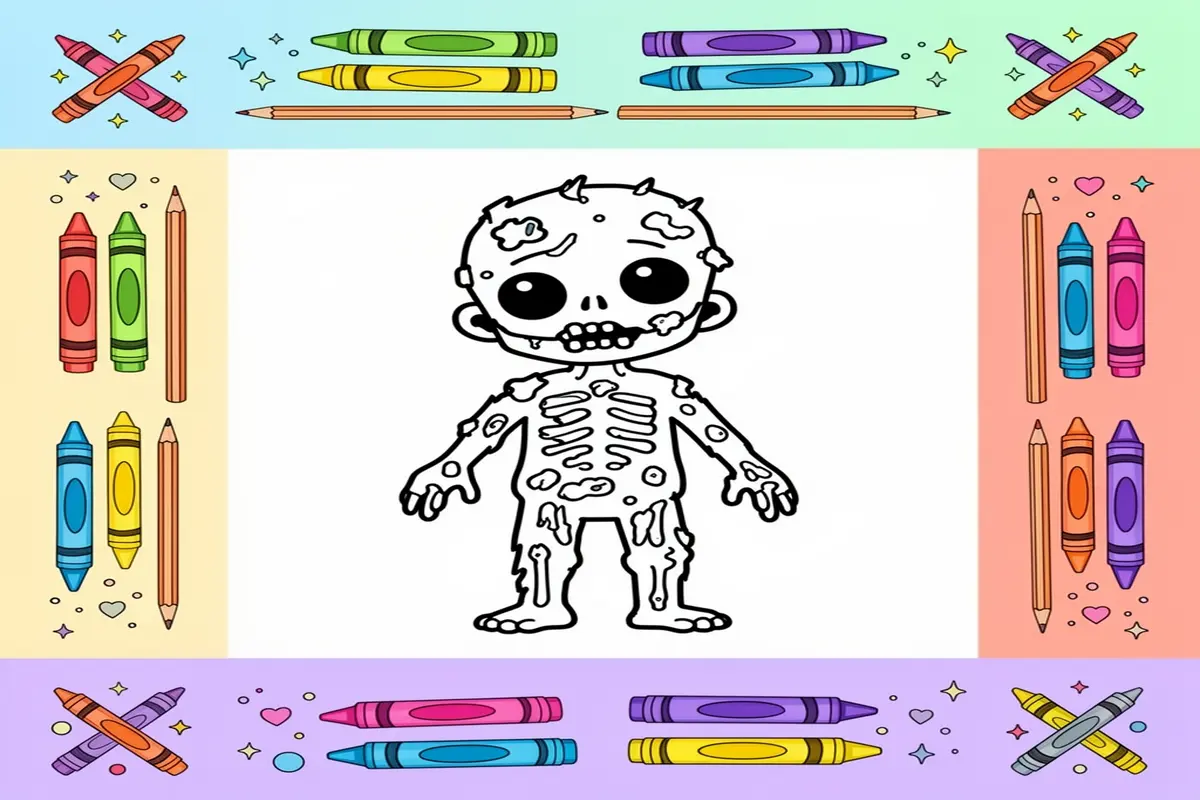
In the vibrant world of children’s art, where crayons meet imagination, a surprising and thrilling theme has risen to captivate young minds: zombie coloring pages for kids. Far from the stuff of nightmares, these pages offer a unique gateway for creative expression, allowing children to explore spooky-fun characters in a safe, controlled, and colorful environment. This engaging activity transforms a traditionally frightening concept into a playful artistic challenge, helping kids process themes of fantasy and adventure through their own palette. While our collection includes everything from serene dolphin coloring pages to majestic safari animals, the unique appeal of zombie coloring pages for kids lies in their power to turn the “scary” into the creatively extraordinary. It’s an invitation to add life, color, and personal flair to the most unexpected of characters.
The Undead Palette: Psychology & Creative Appeal of Monster Art
Why would a child be drawn to coloring a zombie? The answer lies at the fascinating intersection of developmental psychology and creative freedom. These pages provide a controlled space to engage with and master concepts that might otherwise feel intimidating, building resilience and a sense of humorous control.
Facing Fears with a Crayon: The Empowerment of Play
Coloring these quirky, often cartoonish monsters allows children to confront the idea of the “scary” in a context they fully command. By choosing whether a zombie has green skin, purple hair, or wears a polka-dot shirt, the child becomes the author of the narrative. This act of creative decision-making is profoundly empowering, transforming a passive fear into an active, playful story. It’s a form of narrative therapy through art, where the outcome is limited only by the colors in the box.
A Ghoulish History: From Folklore to Friendly Cartoons
The zombie figure has evolved dramatically from its roots in folklore and cinema. In the realm of zombie coloring pages for kids, this evolution reaches its peak of accessibility. Artists have skillfully reimagined these creatures as goofy, clumsy, or even cute characters, removing genuine terror and replacing it with comedic potential. This sanitized, kid-friendly version taps into a cultural fascination with monsters while ensuring the content remains appropriate and fun, much like the beloved monsters under the bed who turn out to be friendly.
Designed for All Young Artists: From Simple Silhouettes to Detailed Scenes
The beauty of this niche lies in its versatility. Simple outlines with big shapes are perfect for preschoolers developing fine motor skills, offering a satisfying result without frustration. For older kids and pre-teens, more complex scenes—featuring zombie pets, silly lab experiments, or haunted schoolyards—provide a detailed canvas that challenges their precision and storytelling abilities. This range ensures that zombie coloring pages for kids can grow with the artist, offering continual creative engagement.
Part 2: Essential Materials & Professional Preparation for Zombie Coloring Pages for Kids
To ensure your young artists can bring their zombie coloring pages for kids to life (or un-life) with maximum creativity and minimal mess, proper preparation is key. The right materials elevate the experience from a simple activity to a skill-building art session. This guide outlines the professional-grade supplies and setup that will make coloring these spooky characters a highlight.
The Foundation: Choosing Paper for Zombie Coloring Pages for Kids
The paper you select directly impacts the final artwork. For standard printing, a bright white, smooth cardstock (around 160-200 GSM) is ideal. Its weight prevents bleed-through from markers and allows for detailed pencil work without tearing. If you’re printing intricate zombie coloring pages for kids with fine lines, a smoother surface yields sharper results. For a more artistic feel, consider a lightly textured mixed-media paper, which adds depth to colored pencil shading, perfect for creating rotting textures or tattered clothing on your undead characters.
Best Coloring Tools: Markers vs. Pencils for Undead Details
The choice between markers and pencils defines the artwork’s style.
Colored Pencils: The superior choice for control and detail, essential for the gory specifics of zombie coloring pages for kids. Wax-based pencils (like Crayola or Prismacolor) offer vibrant layering, allowing kids to build up greenish skin tones, dark shadows in eye sockets, and muddy earth tones. They encourage patience and fine motor skills, perfect for adding stitches, scars, and other creepy features.
Markers: Brilliant for bold, graphic results. Alcohol-based markers (like Copic or Ohuhu) provide seamless blends for creating eerie glowing eyes or oozing wounds, but require bleed-proof paper. Water-based markers (like Stabilo or Crayola) are more child-friendly and easier to clean. For a fun effect on monster coloring pages, use a broad-tip marker for large areas and a fine tip for outlining.
Finishing Touches: Gel Pens & Highlighting for Spooky Effects
This is where the undead truly pop. Metallic and glow-in-the-dark gel pens are indispensable for adding supernatural elements. Use silver for chains or braces, green for slime, and white for bone highlights or ghostly auras. A white gel pen is perfect for creating shiny, wet-looking eyes or teeth. For older kids, consider a small set of acrylic paint markers for opaque highlights on darker colors, ideal for making a zombie’s single eyeball gleam menacingly. These tools transform a flat image into a dynamic, textured scene.
Perfect Workspace: Lighting & Ergonomics for Focused Fun
A proper setup prevents fatigue and fosters concentration. Ensure the workspace is well-lit with natural or bright, white LED light to reduce eye strain and allow for accurate color perception—vital when distinguishing between shades of decay and shadow. The chair and table should be height-appropriate so the child’s feet rest flat and their forearms can comfortably reach the page. Keep supplies organized in cups or trays; this not only minimizes clutter but also encourages mindful selection of colors. Having a dedicated space for art projects, much like you might for exploring dinosaur coloring pages for kids, signals that creative time is valued and helps children transition into a focused state of mind.
Part 3: Transforming zombie coloring pages for kids with Pro-Level Techniques
Ready to take your child’s coloring from simple to spectacular? This guide moves beyond basic fills to explore professional techniques that will bring their zombie coloring pages for kids to life (or un-life!) with stunning depth and creativity. These methods build fine motor skills, artistic confidence, and a deeper understanding of visual art. For a foundational skill like shading, our guide on realistic animal coloring pages offers excellent practice on more familiar forms before tackling monstrous textures.
Harmonious Palettes: Mastering Color Theory for the Undead
Choosing colors isn’t just random—it’s strategic! For zombie coloring pages for kids, understanding basic color relationships can create mood and focus.
Complementary Colors: These are opposites on the color wheel (like green & red, or purple & yellow). Using them together makes each pop dramatically. Imagine a green-skinned zombie against a reddish-purple haunted house background—it creates instant, spooky contrast.
Analogous Colors: These are neighbors on the wheel (like yellow, yellow-green, and green). This scheme is perfect for creating a unified, eerie atmosphere. Use it for a zombie’s decaying outfit in shades of mossy green, olive, and murky brown for a naturally rotten look.
Monochromatic Magic: Using different shades, tints, and tones of a single color (like various grays and blacks) can create a classic, cinematic horror feel, perfect for a moonlit graveyard scene.
From Flat to Fearsome: Advanced Shading for 3D Zombies
Shading is what turns a flat shape into a dimensional form. Teach your young artist to imagine a light source (like the moon or a streetlamp).
1. Identify the Light: Decide where the light is coming from. The areas facing the light will be lightest.
2. Layer Pressure: Using colored pencils, start with very light pressure for the base color. Gradually increase pressure to build darker tones on the sides opposite the light source—under the chin, inside torn sleeves, or on the shadowed side of a tombstone.
3. Blend for Smoothness: To avoid harsh lines, use a white colored pencil, a blending stump, or even a gentle touch with a finger to smooth transitions from dark to light. This technique is also brilliantly applied to creatures of the deep, as seen in our octopus coloring pages, where shading creates tentacle depth.
Adding Gory Details: Texture Techniques for Realism
Texture sells the story. Here’s how to render different gruesome details:
Rotten Skin: Avoid solid green. Use short, uneven strokes and stippling (tiny dots) in a mix of sickly greens, yellows, and purples to suggest blotchy, decaying flesh.
Tattered Clothing: Use quick, jagged strokes that follow the direction of the rip. Add darker lines along the torn edges to show thickness and wear.
Grungy Environments: For tombstones or muddy ground, use the side of your pencil tip in a back-and-forth “scumbling” motion to create a rough, gritty feel. Layer browns, grays, and blacks for a dirty, wet ground effect.
The Art of Creative Correction: Fixing “Mistakes” Gracefully
Even professional artists adapt. Frame “mistakes” as opportunities for creative problem-solving.
Turning a Smudge: A stray mark outside the lines can become a creeping shadow, a splatter of mud, or a crawling bug. Incorporate it into the scene!
Color Too Dark? If an area becomes too heavily shaded, gently lift color with a kneaded eraser by dabbing (not rubbing). You can also layer a lighter color on top to modify the hue.
* Ripped the Paper? This is a chance for a 3D effect! Turn a small tear into a dramatic flap of peeling skin or torn cloth by coloring the underside a dark brown or red and adding a shadow beneath it. Mastering these techniques on zombie coloring pages for kids builds resilience and inventive thinking that applies to all art forms.
Showcasing Your zombie coloring pages for kids: Creative Display Ideas
Once your young artist has brought their undead creations to life, it’s time to celebrate their work! Moving beyond the coloring book, displaying their masterpieces boosts confidence and transforms their art into a cherished part of your home.
Preserving Your Masterpiece: Archival Tips
Protect those vibrant creations from fading and wear. For long-term display, consider using acid-free photo albums or clear sheet protectors in a binder. If framing, opt for UV-protective glass to prevent sun damage. A simple and effective method is to use a can of clear, matte artist’s fixative spray (used in a well-ventilated area) to set wax crayon or colored pencil, preventing smudges.
Beyond Display: Creative DIY Projects
Turn completed pages into personalized gifts and keepsakes. Laminate a favorite zombie design and punch a hole to create a quirky bookmark. Fold colored pages into unique greeting cards for Halloween or a fun surprise. For a larger project, decoupage several pages onto a small tray or storage box. This not only recycles the art but also encourages creativity in new dimensions, much like the projects you can create with our dinosaur coloring pages for kids.
Your zombie coloring pages for kids Questions Answered
How do you draw a zombie step by step?
Start with a simple human outline. Exaggerate features: make the head lopsided, add sunken eyes and prominent cheekbones. Draw torn clothing and an awkward stance. For kids, keep it cartoonish—think funny green skin and a silly grin. Breaking it into basic shapes (circles, ovals) makes the process less intimidating and more fun for young artists.
What colors should I use for a zombie?
Classic zombie colors are sickly greens, grays, and murky purples for skin. Use contrasting bright reds for wounds or dark browns for dirt. Encourage creativity—a rainbow zombie or a sparkly one is fantastic! For clothing, any color works, especially if it’s torn and faded. The best zombie coloring pages for kids invite a wild color palette.
What are the benefits of coloring for kids?
Coloring enhances fine motor skills and hand-eye coordination. It serves as a calming, focused activity that reduces anxiety and boosts mindfulness. It also fosters creativity, color recognition, and patience. Completing a page provides a great sense of accomplishment, building self-esteem.
How to make a zombie look realistic when coloring?
Use layering and shading. Start with a base skin tone and add darker shades in hollows (eyes, cheeks). Blend colors softly for a mottled, decaying effect. Add small details like stitching or moss with a sharp pencil. Remember, “realistic” for zombie coloring pages for kids can also mean expressive and imaginative, not just scary.
Are zombie themes appropriate for young children?
It depends on the child and presentation. Cartoon, silly zombies are generally fine and can be a playful way to explore spooky themes within a safe context. Always consider your child’s sensitivity. Look for cute, non-threatening designs that focus on fun rather than fear, making them a hit at Halloween parties.
Final Thoughts: Your zombie coloring pages for kids Journey Begins
The adventure with zombie coloring pages for kids is about so much more than filling in lines. It’s a gateway to storytelling, emotional expression, and creative confidence. From choosing their wild color schemes to proudly displaying their ghoulish gallery, children develop valuable skills while engaging in pure, imaginative play. These activities transform simple pages into treasured memories and artistic triumphs.
We hope this guide inspires countless hours of creative fun and bonding. Remember, every masterpiece starts with a single splash of color. Ready for your next adventure? Explore our monster coloring pages for even more friendly, fantastical creatures to color!