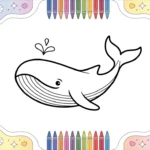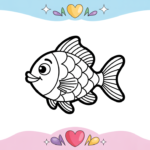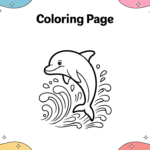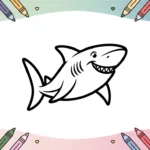
We offer a wide collection of free, high-quality printable coloring pages for kids and adults. From cute animals to intricate mandalas, our designs bring creativity and relaxation to everyone. Download, print, and start coloring today!

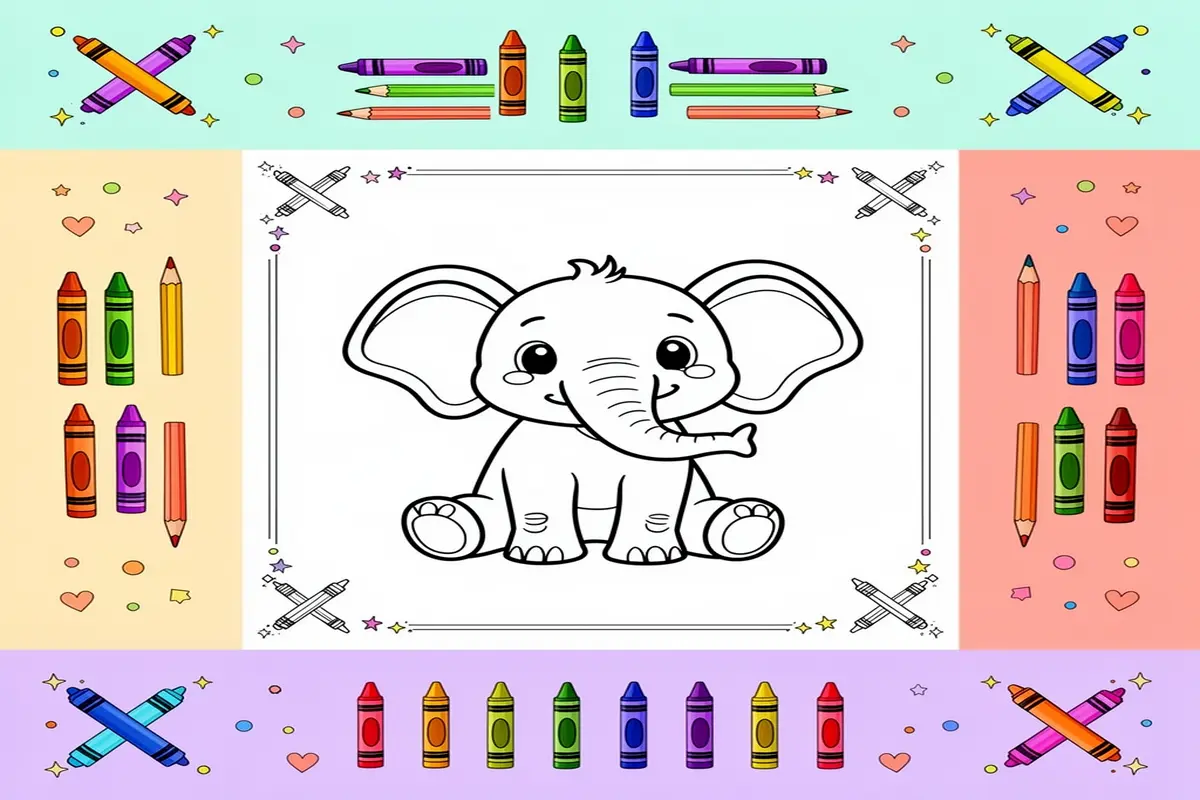
Imagine the quiet focus of a child, crayon in hand, as they bring a majestic lion to life with strokes of sun-gold and earthy brown. This simple act is more than just play; it’s a portal to creativity, learning, and calm. In our fast-paced digital world, zoo coloring pages for kids offer a tangible, screen-free adventure, inviting young artists on a global safari from their kitchen table. These pages are a vibrant menagerie, featuring everything from the towering giraffe to the playful penguin, each illustration a spark for imagination and conversation about the natural world. By engaging with these diverse animal portraits, children don’t just color—they connect, learn species names, habitats, and the importance of wildlife conservation. Starting this artistic journey is easy, and you can find a wonderful entry point with our collection of elephant coloring pages, perfect for little hands to explore. Ultimately, zoo coloring pages for kids are a powerful tool, blending artistic expression with educational discovery in the most delightful way.
Part 1: The Wild Appeal: More Than Just Crayons and Paper
The enduring popularity of zoo coloring pages for kids is no accident. It’s rooted in a powerful blend of psychology, education, and pure joy. These activities tap into fundamental developmental needs, offering a unique blend of structure and freedom that is both comforting and stimulating for a young mind.
The Calm of the Creative Jungle: Mindfulness in Motion
At its core, coloring is a mindfulness exercise for children. The focused attention required to stay within lines and choose colors quiets the mental chatter, reducing anxiety and promoting a state of flow. As a child concentrates on the intricate patterns of a zebra coloring page or the textured skin of a rhinoceros, their world narrows to the present moment. This meditative practice builds neural pathways for patience and concentration, providing a peaceful respite from overstimulation. The predictable, controllable nature of filling a predefined space offers a sense of mastery and order, which is profoundly soothing.
A Canvas of Curiosity: Educational Roots in Every Stroke
Far from a mere pastime, zoo coloring pages for kids are stealth learning tools. Each page serves as an introduction to zoology, geography, and biodiversity. A child coloring a kangaroo naturally wonders where it lives, what it eats, and how it moves. This curiosity is the first step toward lifelong learning. Parents and educators can use these pages as springboards for discussions about ecosystems, conservation, and animal behavior, transforming art time into an immersive, interactive lesson about our planet’s incredible inhabitants.
Designed for Every Young Explorer: From Toddler to Tween
The beauty of this medium lies in its universal accessibility. For the youngest artists, simple, bold outlines of a panda or a seal foster fine motor skills and color recognition. Older children and even tweens can seek out more detailed and realistic zoo coloring pages for kids, such as a prowling leopard or a herd of wildebeest, which challenge their precision and shading techniques. This scalability ensures that every child, regardless of skill level, can find a page that offers the right balance of enjoyment and challenge, making creativity an inclusive and confidence-building experience for all.
Part 2: Professional Materials & Preparation for zoo coloring pages for kids
To transform your zoo coloring pages for kids from a simple activity into a rich, educational, and artistic experience, the right materials and setup are essential. This preparation not only enhances the final artwork but also supports proper skill development and makes the process more enjoyable for young artists. Investing in quality supplies tailored to the intricate details often found in animal illustrations will yield noticeably better results and foster a greater sense of pride in your child’s creations.
The Foundation: Premium Paper for Lasting Artwork
The paper you choose is the most critical, yet often overlooked, element. Standard printer paper is too thin (typically 20-24 lb/75-90 GSM) and will bleed, buckle, and tear easily, especially with markers. For zoo coloring pages for kids, opt for a dedicated marker paper (around 70-80 lb/100-115 GSM) that is smooth and bleed-resistant. For colored pencils, a slightly textured paper labeled “drawing” or “sketch” (90-110 lb/150-180 GSM) allows for better pigment layering and blending, perfect for rendering the fur of a lion or the scales of a reptile. For a premium result, consider printing your chosen designs, like our detailed elephant coloring pages free printable, on heavyweight cardstock for a sturdy, gallery-ready finish.
Selecting Your Medium: Markers, Pencils, and Crayons Compared
Each coloring tool offers a distinct experience and outcome. Alcohol-based markers (e.g., Copic, Ohuhu) provide vibrant, blendable colors with no streaks, ideal for large areas like a giraffe’s patches or a jungle background, but they require bleed-proof paper. Water-based markers are more affordable and kid-friendly but can streak on large surfaces. Colored pencils are the most versatile and controllable for zoo coloring pages for kids. Wax-based pencils (like Crayola) are excellent for beginners, while oil-based pencils (like Faber-Castell) offer superior blending and layering for advanced techniques like creating animal textures. Don’t discount high-quality crayons; soft, pigment-rich crayons can produce stunning, expressive results with a unique tactile feel.
Precision Tools: Enhancing Details and Adding Effects
Once the base layers are down, fine-detail tools bring the artwork to life. Gel pens in white, metallic silver, or gold are perfect for adding whiskers, highlighting scales, or creating sparkle in an animal’s eye. Fine-line pigment ink pens (such as Sakura Pigma Micron) in sizes 01 (0.25mm) and 005 (0.20mm) are indispensable for redefining outlines that may have been colored over or adding intricate patterns. A colorless blender marker or a specialized blending stump (for pencils) is crucial for smoothing gradients and creating realistic shadows, essential for giving depth to creatures like a rounded hippopotamus or a powerful rhino.
Crafting the Ideal Coloring Environment
A proper workspace maximizes focus and minimizes frustration. Lighting is paramount: a bright, white LED desk lamp that eliminates shadows and reduces eye strain is a worthwhile investment. Ergonomics matter for little hands; ensure the chair and table height allow feet to rest flat and elbows to bend at 90 degrees. Use a clipboard or a portable hard surface if working at a kitchen table. Keep supplies organized in cups or trays, and always place a protective mat or several sheets of scrap paper underneath the zoo coloring pages for kids to protect your table surface. Finally, keep a soft cloth for wiping pencil dust and marker tips, and a pencil sharpener close at hand to maintain fine points for those all-important details.
Part 3: Elevating Your Art: Professional Techniques for zoo coloring pages for kids
Ready to transform those wonderful zoo coloring pages for kids from simple outlines into stunning, gallery-worthy art? This section moves beyond basic filling to explore professional techniques that parents and teachers can guide children through, unlocking new levels of creativity and skill. By mastering a few key concepts, you can help young artists create work that pops with realism and personality.
Harmonious Habitats: Applying Color Theory to zoo coloring pages for kids
Understanding simple color theory can turn a chaotic page into a cohesive scene. Teach kids about color relationships:
Complementary Colors: Colors opposite on the wheel (like orange and blue, or red and green). Using these for elements that should stand out—like a bright parrot on green leaves—creates vibrant contrast. Explore more vibrant bird options with our Parrot coloring pages for kids.
Analogous Colors: Colors next to each other (like blue, blue-green, and green). This scheme is perfect for creating serene, realistic environments, such as the various greens and browns in a jungle scene for a leopard or the blues in an ocean backdrop for a dolphin.
Encourage planning a “color mood” before starting—should the lion’s savanna be warm and sunny (yellows, oranges) or cool at dusk (purples, blues)?
From Flat to Fabulous: Mastering Light and Shadow
Shading is the magic that adds dimension. Break it down into simple steps:
1. Choose Your Light Source: Decide where the sun or light is (e.g., top left). Every shadow will be cast opposite this.
2. Layer Your Colors: Instead of pressing hard with one color, use gentle layers. For a red apple, start with a light red everywhere, then add a medium red to the darker areas, and finally a deep red or maroon in the deepest shadows.
3. Blend for Smoothness: Use a lighter color or a colorless blender to soften where two shades meet, making the transition look natural. This technique works wonders on rounded animals like elephants or hippos.
Textures of the Wild: Fur, Scales, and Feathers
Each animal on your zoo coloring pages for kids has a unique texture. Here’s how to mimic them:
Fur (Lions, Giraffes): Use short, quick strokes following the direction the fur grows. Leave tiny spaces between strokes for a furry look, layering darker strokes in shadowed areas.
Scales (Fish, Lizards): Create a pattern of overlapping “U” shapes or half-circles. Color each scale individually, leaving a tiny highlight at the top of each for a glossy, dimensional effect. Find fantastic subjects to practice on with our Fish coloring pages.
Feathers (Birds): Similar to fur, use longer, flowing strokes from the center of the body outward. Layer different shades to create the beautiful bands of color seen on macaws or peacocks.
The Art of the Fix: Graceful Error Correction
Mistakes are part of the process! Here’s how to handle them gracefully:
Waxy Crayon Smudges: Place a plain paper towel over the smudge and gently rub with a warm (not hot) iron. The wax will transfer to the towel.
Colored Pencil Outside the Lines: Use a white eraser or a specialized colored pencil eraser. For stubborn marks, carefully “draw” over the stray mark with a white colored pencil or a light shade of the background color to blend it away.
Embrace It: Sometimes, a “mistake” can become a new feature. An accidental dark spot on a giraffe’s neck can become a unique spot pattern. Encourage creative problem-solving—it’s what art is all about!
Showcasing Your zoo coloring pages for kids: Creative Display Ideas
Once your young artist has filled their zoo coloring pages for kids with vibrant life, don’t let that creativity stay hidden in a folder! Transforming their artwork into a display boosts confidence and adds a personal touch to your home. Here are inspiring ways to celebrate their wild creations.
Preserving Your Masterpiece: Archival Tips
Protect those precious creations for years to come. For simple display, slip finished pages into inexpensive clear plastic sleeves or document frames. For a more polished gallery wall, mount them on colorful cardstock using double-sided tape. Consider using a can of clear, matte artist’s fixative spray (used in a well-ventilated area) to prevent crayon or pastel smudging, ensuring the roaring lions and graceful giraffes stay just as vibrant as the day they were colored.
Beyond Display: Creative DIY Projects
Turn completed pages into meaningful gifts and keepsakes. Laminate a favorite page and trim it to create a unique bookmark. Fold a colored page in half, add a personal message inside, and you have a heartfelt greeting card. For a grand project, create a “Safari Scrapbook” by collecting all their animal art, from realistic lion coloring pages to playful dolphins. Punch holes and bind it with ribbon for a personalized storybook of their artistic safari.
Your zoo coloring pages for kids Questions Answered
What are the benefits of coloring for kids?
Coloring is a powerhouse for development. It strengthens fine motor skills and hand-eye coordination, essential for writing. It fosters creativity and color recognition while providing a calming, focused activity that can reduce anxiety. Working on zoo coloring pages for kids also becomes an engaging way to learn about animal habitats, names, and characteristics, blending art with education seamlessly.
Where can I find free zoo coloring pages?
Numerous educational websites and parenting blogs offer free, printable coloring sheets. Look for sites that categorize animals by habitat, like safari or ocean, for easy finding. For a vast collection of high-quality options, including specific animals like elephants, zebras, and monkeys, dedicated platforms like Safari Coloring provide extensive, free zoo coloring pages for kids that are just a click and print away.
At what age do children start coloring?
Toddlers often begin scribbling with chunky crayons around 12 to 15 months. By age 2-3, they start making more controlled marks and can begin to fill spaces with color. Simple, large-area zoo coloring pages for kids are perfect for this stage. True “coloring inside the lines” typically emerges between ages 4 and 5, as their motor control and concentration develop further.
How to teach a child to color inside the lines?
Start with success! Use pages with very thick, bold outlines and large spaces. Demonstrate by coloring slowly, talking about “giving the lion a furry coat” right up to the edge. Use broken crayons to encourage a proper grip. Most importantly, praise the effort and the colors they choose, not perfection. The skill will come with practice and maturity.
What skills does coloring develop?
Coloring holistically develops a child’s toolkit. Physically, it enhances fine motor skills, grip strength, and dexterity. Cognitively, it boosts focus, patience, and spatial awareness. Creatively, it encourages color theory and self-expression. Emotionally, it’s a fantastic stress-reliever and confidence builder, especially when they complete a detailed page from their favorite zoo coloring pages for kids collection.
Final Thoughts: Your zoo coloring pages for kids Journey Begins
The adventure with zoo coloring pages for kids is about so much more than just staying within the lines. It’s a journey of discovery, where a box of crayons becomes a key to unlocking creativity, building essential skills, and sparking conversations about the wonderful animal kingdom. Each finished page is a testament to your child’s growing abilities and imagination, a snapshot of joyful, focused learning.
Embrace the colorful mess, celebrate every quirky green tiger or polka-dotted elephant, and display their work with pride. This simple activity lays a foundation for a lifetime of artistic expression and mindful relaxation. Ready for your next adventure? Explore our collection of majestic Safari Coloring Pages for Kids and let the creativity continue to roam free!